
Iran Closes Strait of Hormuz Again Following Israeli Attack on Lebanon
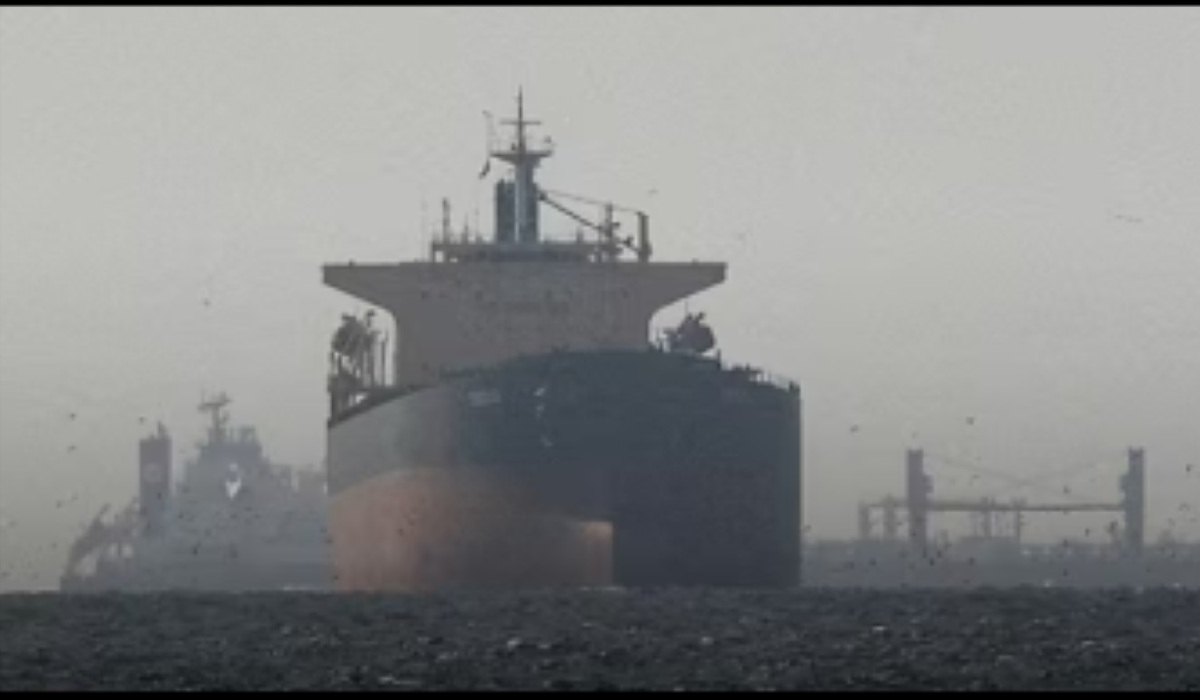
Tensions in the Middle East have reached a critical point again after Iran announced the re-closure of the vital shipping lane, the Strait of Hormuz, on Saturday (20/6). The drastic measure was taken by Tehran in response to Israeli military strikes on Lebanese territory, which it deemed a serious violation of a peace agreement recently forged with the United States.
Iran’s central military command stated that the blockade is a consequence of the US violating the contract and the continued aggressive actions of the Zionist regime in southern Lebanon. The closure of the world’s main oil and gas distribution route is predicted to once again shake global energy markets, having only just reopened following an agreement between US President Donald Trump and Iranian President Masoud Pezeshkian earlier this week.
The situation on the ground shows a contradictory escalation. Just hours after the US announced a renewal of the ceasefire, Israeli forces engaged in fierce fighting with Hezbollah fighters. Israeli warplanes were reported to have launched deadly strikes on at least 20 locations in southern Lebanon.
Lebanon’s civil defence agency reported at least 16 people killed in the Nabatieh region. Meanwhile, Lebanon’s Ministry of Health confirmed seven additional fatalities and 13 injuries from an attack on a village near the city of Sidon. Thick smoke was seen billowing over strategic towns, including around the historic Beaufort Castle.
The failure to maintain calm in Lebanon has had a direct impact on the diplomatic process at the global level. Follow-up talks between the US and Iran scheduled to take place in Switzerland on Friday have been forced to be postponed indefinitely.
US Vice President JD Vance, who was originally scheduled to lead the American delegation, cancelled his trip. Instead, special envoys Steve Witkoff and Jared Kushner are reportedly trying to restore the dialogue channel in Switzerland to keep it operational amid the heated situation.
On the other side, Pakistan’s Interior Minister, Mohsin Naqvi, arrived in Iran on Saturday for an emergency meeting with Tehran officials as part of a regional mediation effort alongside Qatar.
The closure of the Strait of Hormuz serves as Iran’s most potent economic weapon to pressure the international community. This channel is the lifeline for the world’s energy supply, and the previous blockade caused a significant spike in crude oil prices.
On a humanitarian level, residents in southern Lebanon are now living in gripping fear. “Fear dominates everyone. We just returned to the village a few days ago, but we are already ready to flee again,” said Fadi Zayat, a resident of Tayr Debba, to AFP.
Lebanese President Joseph Aoun, in a conversation with US Secretary of State Marco Rubio, urged an immediate halt to Israeli attacks. However, Rubio stressed that long-term stability could only be achieved if Lebanon is able to disarm Hezbollah and enforce full control over its entire sovereign territory.