
Iran Closes Strait of Hormuz Again Amid Israel-Lebanon Tensions, US Responds
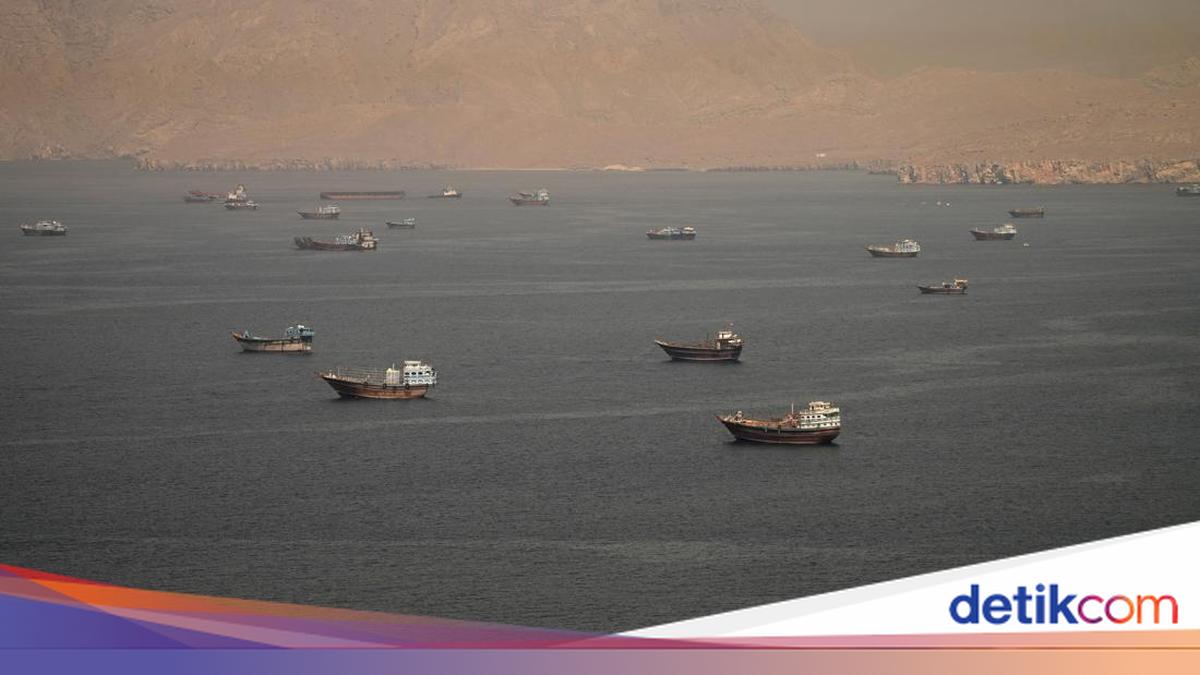
Iran’s central military command announced it has again closed the Strait of Hormuz, citing Israel’s attack on southern Lebanon as a violation of the agreement between Tehran and the United States. “It is hereby announced that the Strait of Hormuz will be closed to ship traffic. It should be noted that this first step is a response to the enemy’s breach of promise, and if aggression continues, further steps will be planned and taken to compel the enemy to comply with its obligations,” the Khatam-al Anbiya Central Headquarters said in a statement broadcast by state television.
Meanwhile, Lebanese state media reported that an Israeli attack on a village near the southern city of Sidon killed at least seven people on Saturday, despite a ceasefire with Hezbollah being announced a day earlier. The attack on Qannarit killed “seven people and wounded 13 others, according to preliminary estimates,” the state-run National News Agency (NNA) said.
The US military said on Saturday it remains “present and vigilant” in the critical shipping lane. “US forces remain present and vigilant to ensure all aspects of the agreement with Iran are complied with, adhered to, and in full effect,” US Central Command (CENTCOM) said in a statement. CENTCOM, which oversees US forces in the Middle East, said 55 commercial vessels had transited the strait on Saturday and “safe passage through the international waterway remains intact at this time.”
Vice President JD Vance, speaking on Fox News before Iran’s announcement, said he expected to travel to Switzerland in “the next few days” to take part in negotiations. President Donald Trump stated there would be no toll fees for passing through the Strait of Hormuz, unless imposed by the United States itself. “There will be no toll fees in the Strait of Hormuz for the 60-day Ceasefire Period, and there will be no toll fees after the 60-day period expires,” Trump wrote on Truth Social, adding, “Unless they are imposed by and for the United States, if a deal is not reached, for services rendered as Guardian Angel to the countries of the Middle East for purposes of past, present, and future reimbursement.”