
Iran Claims US Agrees to Unfreeze $12 Billion in Assets
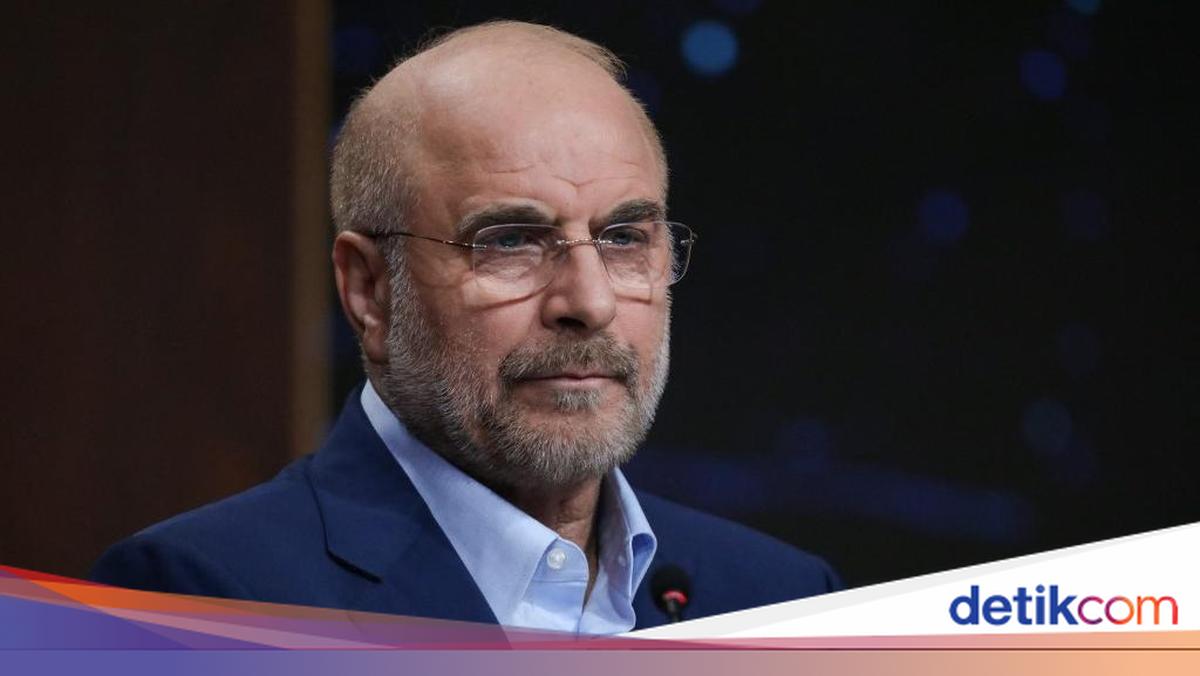
The Speaker of the Iranian Parliament and chief negotiator, Mohammad Bagher Ghalibaf, has claimed that the United States has agreed to release frozen Iranian assets valued at US$12 billion, or approximately Rp 214.2 trillion.
As reported by Al Jazeera and The Business Standard on Tuesday (23/06/2026), Ghalibaf stated that discussions between Iran and the US in Switzerland have concluded an agreement regarding the release of these frozen assets. He noted that this step is a direct result of a broader Memorandum of Understanding (MoU) between the two nations, which was officially signed during a technical meeting in Switzerland on Monday (22/06).
“The agreement for the US to release frozen Iranian assets worth US$12 billion has been finalised in Switzerland,” Ghalibaf told Iranian state media on Monday.
According to Ghalibaf, the release of the US$12 billion will be conducted in two stages, with each instalment amounting to US$6 billion (Rp 107 trillion). He described the release of these assets as one of the primary achievements for Tehran under the MoU with Washington.
Ghalibaf added that the agreement also includes temporary easing measures affecting several sectors. He mentioned that sanctions on the export of crude oil, petrochemicals, and their derivatives will only be fully lifted once a final agreement is reached. These measures are expected to cover the banking, insurance, and transport sectors.
These statements from Ghalibaf follow the US announcement of a temporary easing of sanctions, which allows for the sale of Iranian oil and petrochemical products until 21 August.
Trump Claims Iranian Funds Will Be Used to Buy US Food Products
US authorities have not officially responded to Ghalibaf’s claims. However, US President Donald Trump, while speaking to reporters, stated that the released Iranian funds would be used exclusively to purchase food and agricultural products from the US.
“All that money will come back in the form of food purchases, which they desperately need. They have 91 million people; they cannot feed their population. Therefore, the money we release will flow to our farmers,” Trump said, as reported by Al Jazeera.
Iran Refutes Trump’s Claims Regarding Funds Being Used to Buy US Products
Iran immediately refuted Trump’s claim, with the Governor of the Central Bank of Iran, Abdolnaser Hemmati, asserting to the Tasnim news agency that Tehran is “not obligated to purchase” agricultural products from the US under the existing agreement.
Hemmati stated that the US-Iran agreement on this matter specifies that the first US$6 billion may be used to purchase “essential goods and medicines.”
“If the price and quality of American inputs are more suitable compared to other countries, we do not mind purchasing from them,” he said.
He added that the remaining US$6 billion “does not have to be spent on essential goods, but Iran can also purchase other items that are not subject to sanctions.”