
Iran Claims Progress in Geneva Negotiations with US, but Nuclear Issues Remain Contentious
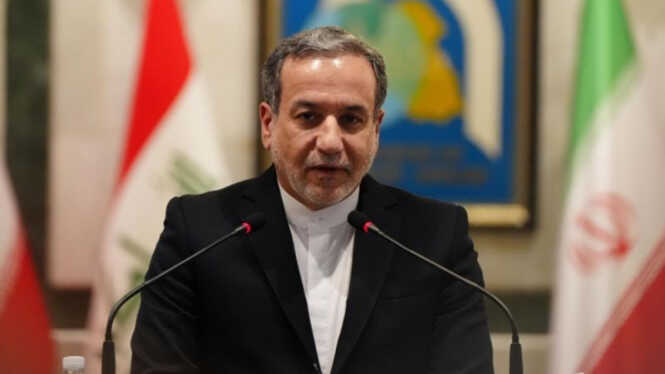
Iran has declared it achieved a “breakthrough” in indirect talks with the United States in Geneva on 17 February 2026, with both sides agreeing on guiding principles to resolve the nuclear dispute that has long overshadowed relations between the two countries. According to BBC reports, the progress came after an initial round of dialogue mediated by Oman.
Iranian Foreign Minister Abbas Araghchi described the discussions as “constructive” and said both parties would begin drafting texts for exchange before a third round of talks is held. However, no date or location has been set for the next meeting.
Tehran stressed that considerable work remains before a final agreement can be reached. Iran also rejected any expansion of the agenda to include its missile programme and support for proxy groups such as Hezbollah, insisting that the focus must remain on nuclear restrictions and the lifting of sanctions.
On the Washington side, President Donald Trump’s envoys — Steve Witkoff and Jared Kushner — have not yet issued official comment. However, sources familiar with the negotiations described “progress,” though a number of critical issues remain unresolved.
“Red Lines” Not Yet Addressed
Meanwhile, US Vice President JD Vance said the second round of negotiations with Iran had been productive in some respects, but noted that Tehran had not yet been willing to engage with several “red lines” set by President Donald Trump.
Vance did not specify which “red lines” Tehran had declined to discuss, but affirmed that the primary US interest is preventing Iran from acquiring nuclear weapons.
“In some ways, it went well. They agreed to meet afterwards. But in other ways, it’s very clear that the president has set certain red lines that the Iranian side is not yet willing to acknowledge and discuss,” Vance said in an interview with Fox News.
“We will continue to pursue this. But of course, the president reserves the right to determine when diplomacy has reached its natural limits. We hope it doesn’t come to that, but if it does, that will be the president’s decision,” he added.
The dialogue is taking place amid rising regional tensions. Iran’s Supreme Leader Ali Khamenei had previously launched sharp criticism of the US military presence in the region, whilst Iran conducted military exercises in the Gulf that briefly closed the Strait of Hormuz for several hours.