
Iran claims new air defence system downed US MQ-9 Reaper drone
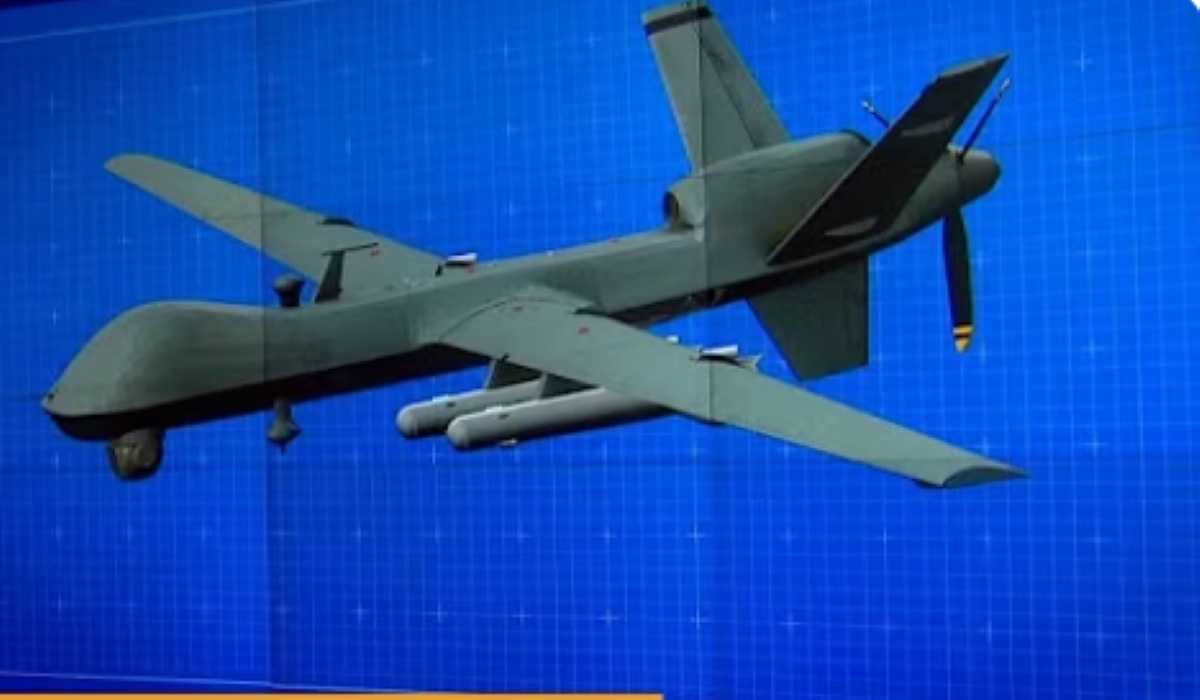
Tensions in the Gulf have reignited after Iran claimed to shoot down a sophisticated US MQ-9 Reaper drone near the Strait of Hormuz earlier this week. The incident drew attention as Tehran stated it used a new locally developed air defence system called Arash-e Kamangir.
Iranian state media reported the surveillance drone was downed near Qeshm Island. This marked the system’s combat debut. The name derives from Arash the Archer, a figure in Persian mythology symbolising steadfastness in defending the nation’s borders.
analysts view the claim as Tehran’s effort to showcase its air defence capabilities despite sustained attacks on military sites by the US and Israel. Although independent verification of the new system’s effectiveness is lacking, the downing of the MQ-9 Reaper in one of the world’s most sensitive shipping lanes sends a strong message.
Fars News Agency cited an official stating Arash-e Kamangir has stealth detection capabilities, adding: ” This operation sends a clear and firm message from Iran.” The move is also seen as Iran’s attempt to strengthen its bargaining position in ongoing ceasefire negotiations.
The Arash-e Kamang system is believed to be part of Iran’s shift towards more mobile and cost-effective air defence. Unlike fixed radar systems vulnerable to detection and destruction, the new system likely uses electro-optical or infrared-guided components that can be rapidly deployed.
Alex Almeida, a security analyst from Horizon Engage, explained the system may be an evolution of short-range surface-to-air missiles ( SAMs). ” It’s a pop-up system that’s easy to set up and launch, making it very difficult to permanently neutralise with conventional air strikes,” he said.
losing the Reaper drone could force the US to rely more on costly standoff missiles instead of slower, vulnerable surveillance drones. Meanwhile, Iran continues producing cheaper Shahed drones, giving them economic advantages in protracted conflicts.
Nicole Grajewski, an associate professor at Sciences Po, added that Iran’s military strategy focuses more on endurance and mobility than technological sophistication. ” Iran has a substantial defence industry capable of ramping up ballistic missile production to high levels internationally,” she said.
the incident highlights the risk of escalation in the Strait of Hormuz, which could disrupt global energy markets. If the US and Israel cannot permanently neutralise Iran’s retaliatory capabilities, any new strikes may trigger a wider cycle of violence in the region.