
Iran Can Now Sell Oil, But How Quickly Can It Raise Production?
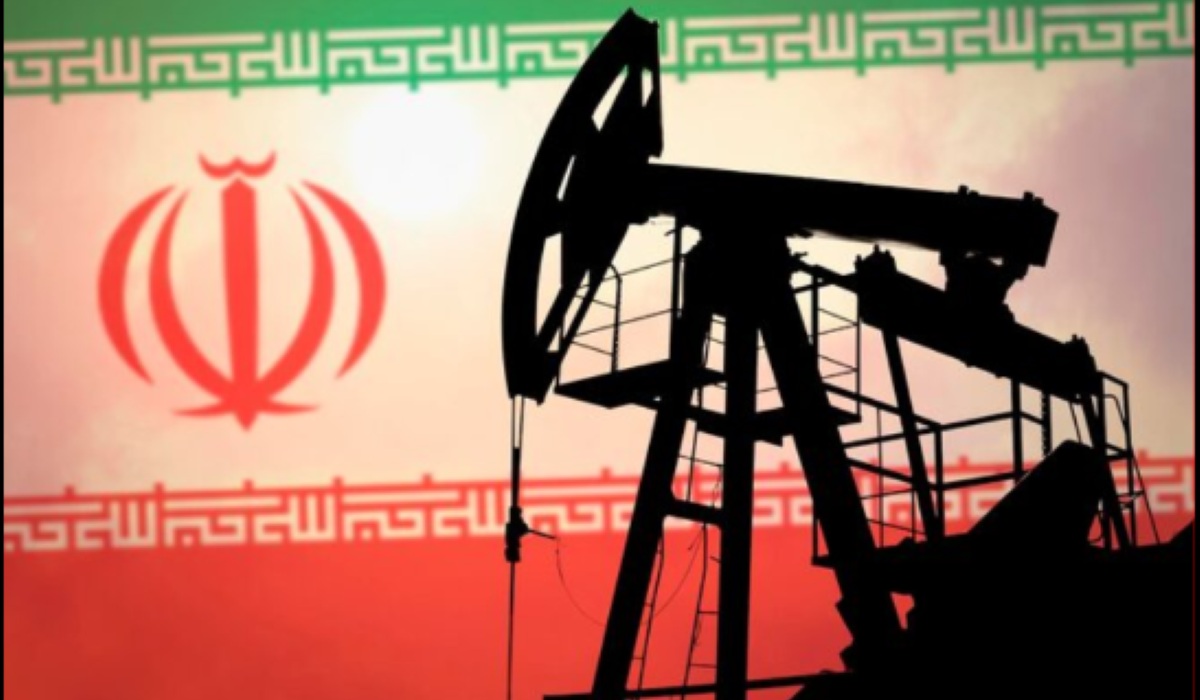
President Donald Trump and Iranian President Masoud Pezeshkian officially signed a historic agreement this week. The pact allows the Islamic Republic of Iran to sell crude oil and fuels such as diesel on the open market for the first time since 2018. The deal includes the removal of sanctions that had crippled Tehran’s economy, while paving the way for banking, transport, and insurance services to facilitate international transactions. The move comes amid rapid geopolitical dynamics, including a ceasefire between Israel and Lebanon agreed on Friday (19/6/2026) local time. The US military confirmed it has lifted a two-month blockade that had suppressed Iranian oil shipments to a low of around 260,000 barrels per day last month. By comparison, data from commodity data provider Kpler shows that in the three-month period ending April, Iran was able to load approximately 1.85 million barrels per day. As an initial step, Tehran reportedly agreed to sell 10 million barrels of oil—equivalent to the cargo of five supertankers—to China. According to Hamid Hosseini, spokesman for Iran’s oil exporters’ union, this sale is the first stage in rebuilding the country’s oil export flows. Although sanctions have been lifted, Iran faces a long road to rebuilding its oil sector. Some facilities suffered damage from attacks by US and Israeli forces. Additionally, Iran needs to empty storage tanks that are already full before it can substantially increase production. Another challenge is the availability of tankers. Many very large crude carriers (VLCCs) were diverted to the Gulf of Mexico to handle the surge in American oil exports. It will take weeks for these vessels to return to the Persian Gulf. Under the terms of the agreement, Iran also has 30 days to clear mines it previously laid in the Strait of Hormuz to ensure the security of international shipping lanes. Analysts estimate that oil production and exports from Iran, Saudi Arabia, and other Gulf producers will only approach normal levels by the end of 2026 or early 2027. Iran’s own production slumped to 2.3 million barrels per day in May, down from 3.2 million barrels before the conflict erupted. Jim Burkhard, head of crude oil research at S&P Global Energy, expressed optimism that revenue from these oil sales will be used to repair damaged wells and oil facilities in the region. ‘I think we will get most of the production capacity back by the end of this year,’ he said. Iran’s long-term success in returning as a major player will depend heavily on the geopolitical stance of the US, China, and Russia, as well as Tehran’s ability to attract foreign investors to upgrade their increasingly outdated drilling technology.