
Iran Blocks Strait of Hormuz, Refuses Passage to Enemy Military Vessels
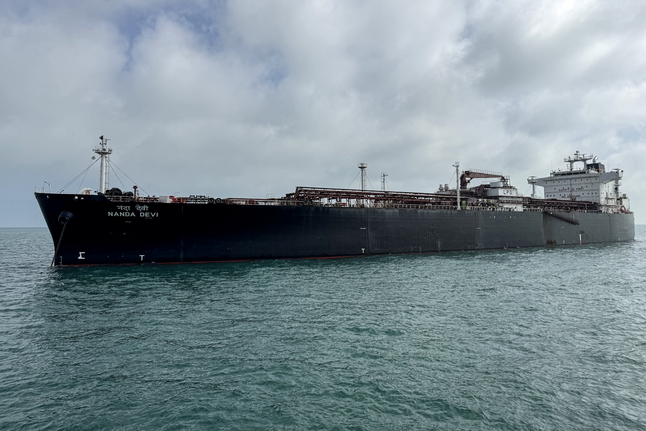
Tensions in the Strait of Hormuz have escalated after Iran issued a strong statement. Iran’s First Vice President, Mohammad Reza Aref, stated that Tehran will no longer allow military equipment from countries considered enemies to pass through the strategic waterway.
“We have relinquished our sovereignty over the Strait of Hormuz, and previously we allowed the passage of military equipment intended for use against us through the Strait of Hormuz. We will not allow this anymore,” Aref said, as quoted by Al Jazeera.
Amid stalled negotiations with the United States, Iranian Foreign Minister Abbas Araghchi also warned of his country’s readiness to return to direct military conflict.
The blockade of the Strait of Hormuz since February 28, which disrupts a fifth of the world’s oil supply, is now beginning to impact the US domestic economy through rising inflation and energy costs.
“Americans are being told that they must absorb the high cost of a war of choice against Iran,” Araghchi wrote on his X account.
“Aside from rising gas prices and stock market bubbles, the real pain begins when US debt and mortgage interest rates start to soar. Loan defaults are already at their highest in over 30 years.”
A sarcastic tone was also used by the Speaker of the Iranian Parliament, Mohammad Bagher Ghalibaf, who mocked US Defense Minister Pete Hegseth.
“So, you fund that failed TV presenter (Pete) Hegseth with unheard-of rates since 2007 so he can play the role of Secretary of War in our backyard in Hormuz?” said Ghalibaf.
He also assessed the US debt of $39 trillion as a reckless move that could trigger a new global financial crisis.
This economic pressure has forced the US to auction off $25 billion worth of 30-year bonds with yields reaching 5%, the highest level in nearly two decades.
Negotiations have reached an impasse because Tehran is demanding full sovereignty over the Strait of Hormuz, a clause that was immediately rejected by Gulf countries.
To control the waterway, the Head of the National Security Commission of the Iranian Parliament, Ebrahim Azizi, stated that Tehran is preparing a special traffic management mechanism.
“In this process, only commercial vessels and parties that cooperate with Iran will benefit from it,” said Azizi, adding that supporters of Washington’s project would be denied access.
Although successful in pressuring the US, Iran’s internal situation is also dire. Food inflation in the country soared to 115% last month, causing prices of basic necessities such as cooking oil, rice, and chicken to triple.
In Tehran’s black market, the exchange rate of the rial collapsed to nearly a record low, at 1.8 million per US dollar.
Seeing the impasse in previous dialogue in Islamabad, Araghchi stated that Iran is now opening the door for mediation from Beijing following a meeting between Donald Trump and President Xi Jinping.
Meanwhile, the situation inside Iran is becoming increasingly tense. The government has been vigorously broadcasting narratives of readiness for war through state television, even showing presenters holding assault rifles on screen.
In city streets, armored vehicles and armed checkpoints remain fully alert after the government’s crackdown that killed thousands of anti-corruption protesters in January.
To ease tensions, Iranian authorities also imposed a total internet shutdown for 78 days and carried out executions of political dissidents almost every day. (E-4)
Tensions in the Gulf have increased following reports of secret military operations by the United Arab Emirates into Iran and the arrest of IRGC members in Kuwait. The region is on the verge of collapse.
What is Project Freedom? See the facts about the US military humanitarian mission to free thousands of ships trapped in the Iranian blockade in the Strait of Hormuz.
Ukrainian President Volodymyr Zelensky warned of the great risk if US weapons aid and diplomatic attention shifts completely to the Iran conflict.
The global air cargo industry is facing pressure as geopolitical conflicts escalate and disruptions to global commodity energy supply chains continue since early 2026.
A number of Donald Trump’s claims about Iran and foreign policy have been deemed inaccurate, unproven, or unverifiable in a recent fact-checking report.
Copyright @ 2026 Media Group - mediaindonesia. All Rights Reserved