
Iran Bets on Shadow Networks to Evade US Sanctions
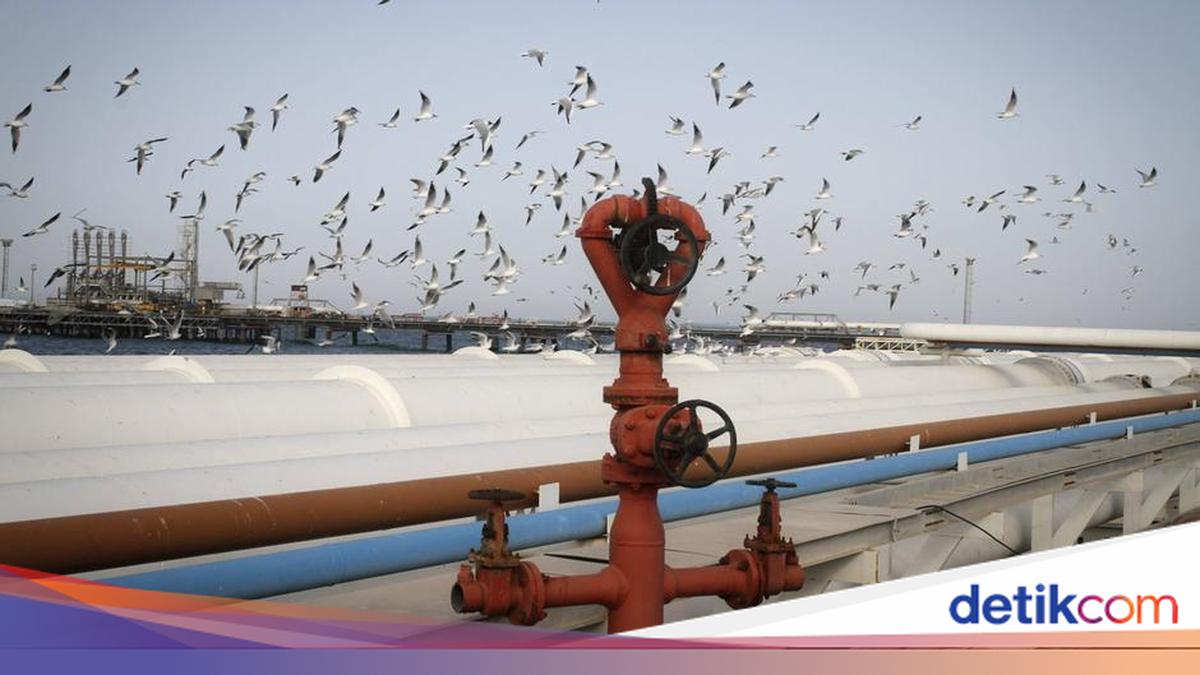
Through the heaviest sanctions ever imposed, the administration of US President Donald Trump seeks to force the Iranian leadership into submission. These sanctions, dubbed ‘economic D-Day’, were designed to rectify the failures of US military pressure on Iran since last February.
In addition to targeting Iran’s primary revenue and trade sources—including the oil, banking, gold, shipping, aviation, and various technology sectors—US authorities are now focusing their attention on cryptocurrency. Digital currencies such as Bitcoin are being used by Iran for fund transfers and trade transactions. Furthermore, Bitcoin is increasingly being utilised in businesses related to oil, as these digital currencies operate outside the traditional banking system and the US-dollar-linked financial networks.
Closed networks to help Tehran avoid sanctions
Iran also appears to be developing the use of cryptocurrency as a way to secure oil shipments passing through the Strait of Hormuz. According to the Fars News Agency, which has close ties to the Iranian Revolutionary Guard, this idea was proposed by Babak Zanjani.
The 53-year-old billionaire was released from prison last year. He is one of the most prominent figures in a network that has expanded over decades, assisting Iran in facing various international sanctions. Members of this network receive support and protection from influential figures within the government of the Islamic Republic of Iran. In return, they are believed to share portions of their business profits with Iranian government officials.
‘Among these individuals, Zanjani is one of the elites who possesses innovative ideas and has repeatedly demonstrated his abilities in the past,’ said Behzad Ahmadinia, an Iranian-born journalist focusing on oil and energy issues. Behzad added, ‘It appears the Iranian regime has decided to address internal competition by relying on professionals and experts who can work more efficiently than other groups to take over key positions.’
Selling oil on the black market
Iran has utilised decades of experience in conducting its economic activities under the pressure of US sanctions. The existing network extends far beyond individual businessmen, encompassing a vast web of companies, financial systems, and personal connections. Widespread corruption and a lack of transparency are considered structural problems within Iran’s political and economic system. In the 2025 Corruption Perceptions Index published by Transparency International, Iran scored 23 out of 100, ranking 153 out of 182 countries, indicating a very high perception of corruption in the public sector.
Zanjani is reported to control a business empire consisting of approximately 60 companies, some of which operate in Malaysia, Tajikistan, Turkey, and the United Arab Emirates. Many of his companies have subsequently been sanctioned by the United States. Through his business network, Zanjani began selling billions of barrels of Iranian oil on the black market during the presidency of Mahmoud Ahmadinejad. He also imported various goods, including aircraft, into Iran.
However, in 2016, he became embroiled in an internal power struggle in Iran. Authorities accused him of failing to return approximately US$2.6 billion (around Rp 46 trillion) in oil sector revenue to the Iranian government. After undergoing a trial that became a major public scandal as one of Iran’s largest corruption cases, he was sentenced to death. For years, he denied the allegations regarding the missing funds and continued to negotiate with Iranian authorities.
Information for the US regarding shadow networks
Another key figure in this network is the Turkish-Iranian businessman, Reza Zarrab. He was arrested in the United States in 2016 while on holiday, facing charges of money laundering and violating US sanctions against Iran. Zarrab had built an extensive network in Turkey and possessed deep knowledge of the financial and trade mechanisms used by Iran to evade US sanctions.
Cases involving Zarrab provided valuable information to US authorities regarding how trade networks operate to avoid sanctions, making the US more effective in targeting sanction violators. Zarrab subsequently cooperated with US investigators and was released from custody. According to various reports, he now lives in the United States under a new identity.
‘People like Zarrab or Zanjani were raised within this system and have connections to various centres of power,’ told economist Jamshid Assadi, based in France, to DW. Reports suggest that Zanjani’s emergence began about 30 years ago when he was performing military service and working as a driver for the governor of Iran’s central bank. That position provided access to influential circles and contacts with important businessmen.
Billions of dollars flow through his networks and companies. To date, the exact amount of personal profit he has obtained remains unknown. In February 2024, Iranian media reported that assets related to Zanjani had been returned from abroad. According to the report, his wealth exceeded the value of the debt he was required to repay.
In 2025, he was released from prison and returned to the business world. Through one of his companies, he signed a multi-billion dollar contract with an Iranian state-owned railway operator. At the same time, Zanjani is attempting to build a new image. In an open letter to US billionaire Elon Musk, he offered his company as a bridge for economic cooperation between Iran and the United States. He now presents himself as an entrepreneur, mediator, and supporter of dialogue between the two nations.