
Iran Begins to Lose Grip Over Gulf Oil
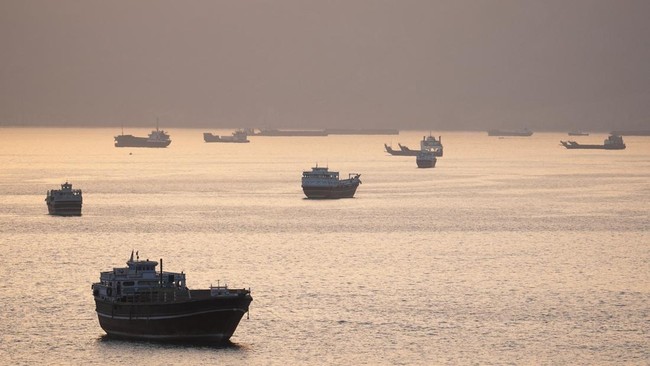
Oil flows from Gulf nations are beginning to surge again, even though conflicts around the Strait of Hormuz have not fully subsided. This situation indicates that Iran is starting to lose some of its ability to suppress oil exports from the region.
Kpler data shows that Arab nations sent an average of approximately 17 million barrels of crude oil and refined products per day (bpd) throughout September. These shipments include routes through the Strait of Hormuz as well as pipelines that bypass the strait.
This figure is the highest since February and is approaching pre-war levels, which reached around 21 million bpd.
In contrast, Iranian oil exports are only around 200,000 bpd, or less than one-tenth of pre-conflict levels. However, the recovery of exports from Gulf nations has not been sufficient to return the oil market to normal conditions.
Exports Rise, Oil Prices Remain High
Brent oil prices remain above US$100 per barrel, approximately 43% higher than in June when the US and Iran reached a temporary agreement. This condition shows that the increase in Gulf oil exports has not yet been enough to ease market pressure.
Global supply is still lagging behind demand. At the same time, the potential for US diesel export restrictions and the risk of Iranian attacks continue to shadow oil trade.
Saudi Arabia has been one of the drivers of the export recovery. Saudi Aramco has sold more than 90 million barrels in two rounds and has resumed offering cargoes to Chinese refineries.
Most Saudi oil now passes through the Strait of Hormuz under US escort using state vessels, before being transferred to other ships in the Gulf of Oman. The United Arab Emirates (UAE) has implemented a similar pattern.
However, this scheme is expensive, complex, and difficult to sustain in the long term. Oil supplies from the Gulf region are still approximately 4 million bpd below pre-war levels.
The world previously faced similar concerns after Russia invaded Ukraine, when Brent prices surged to US$129 per barrel.
China Returns to Hunt for Oil
Pressure on the market is also coming from China. After cutting crude oil purchases by almost 40% during the summer, China has increased imports again as domestic stocks of jet fuel, diesel, and petrol have declined.
Chinese refineries subsequently increased production. On the other hand, high global fuel prices have opened opportunities for refining companies to increase exports.
However, the potential for China to once again limit exports has led refiners to attempt to secure crude oil supplies while they are available.
China also needs to replace oil supplies from Iran. As a result, Chinese buyers have entered the open market more aggressively, competing with buyers from other nations.
Prices for oil with characteristics similar to Iranian production have even risen higher than Brent. Dubai futures reached approximately US$116 per barrel.
Competition is also occurring with European buyers for North Sea-type oil, which has further driven up Brent prices.
This pressure is reflected in Dated Brent (the price of Brent oil to be loaded/shipped in the coming weeks), which reached approximately US$124 per barrel, well above Brent futures.
The price spread, which is usually only a few dollars, indicates that the supply of physical oil for short-term needs is currently in a tight position.
Crisis Unresolved, Iran Still Holds Leverage
Price pressure has subsequently spread to the diesel market. Limited supply from the Gulf region and Russian export bans have pushed wholesale diesel prices close to US$200 in several major markets.
In the US, petrol prices are approaching US$6.50 per gallon. Meanwhile, plans for diesel export restrictions could add further pressure to the market.
Reduced exports could lead US refineries to process less oil. However, such a policy could also encourage European refiners to seek crude oil from other sources.
On the other hand, security risks in the Strait of Hormuz have not entirely disappeared. Unverified reports suggest that Iran may have planted or is preparing mines. Meanwhile, Windward has detected dozens of fast boats off the coast of Oman on 26 September.
Energy infrastructure, including the East-West pipeline, Saudi ports, and the Bab al-Mandab route, also still face the risk of disruption.
Therefore, the increase in exports does not mean the Strait of Hormuz is safe. The oil industry has indeed adapted to these various risks.
However, as long as global supply lags behind demand and Iran still possesses the ability to disrupt shipping lanes or energy infrastructure, the oil market has not fully returned to normal.
Source: jawawa.id (https://jawawa.id/newsitem/iran-begins-to-lose-grip-over-gulf-oil-1790772850)
Originally published by CNBC Indonesia (https://www.cnbcindonesia.com/research/20260930162925-128-772241/iran-mulai-kehilangan-cengkeraman-atas-minyak-teluk), translated from Indonesian