
Iran Awaits Official US Response Regarding Strait of Hormuz Proposal
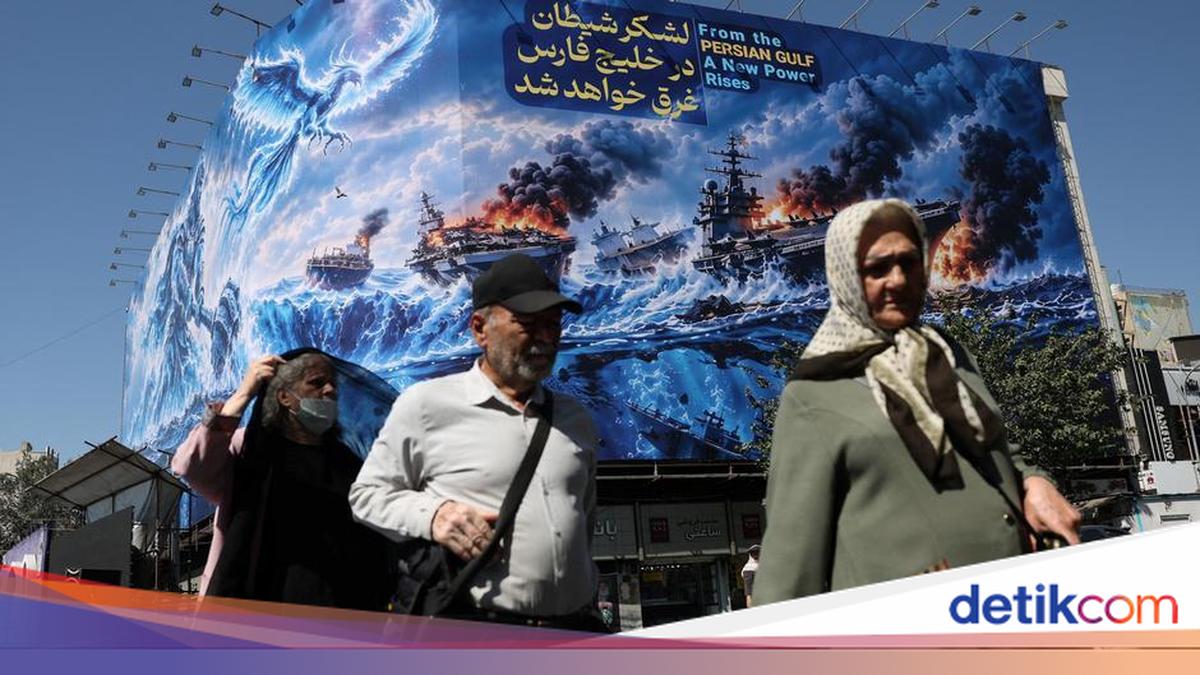
Iran has stated that it is waiting for an official response from the United States regarding a proposal to reopen the Strait of Hormuz. Iranian Foreign Minister Abbas Araghchi stated on Monday (28/9) that Qatari mediators have conveyed several ideas to Tehran and will re-discuss them with the US. According to Araghymchi, Iran expects to receive Washington’s final answer by Tuesday (29/9).
Araghchi, who is in New York to attend the UN General Assembly, said that current discussions are focused on the reopening of the Strait of Hormuz. However, Iran maintains that the reopening of this shipping lane depends on several conditions that have been presented to the US.
“The focus currently is solely on the Strait of Hormuz, and the reopening of the strait depends on the fulfilment of a number of conditions that we have communicated to other parties,” said Araghchi, according to Iranian state media.
Araghchi noted that Qatari mediators have presented several ideas to Iran. Following discussions with Tehran, the mediators are scheduled to raise the matter again with Washington before conveying the US response to Iran.
“They will raise this issue again with the American side, after which the final US answer will be conveyed to us,” said Araghchi.
The senior Iranian diplomat stated that Qatar hopes the process can be resolved by Tuesday. Araghchi is in New York as efforts to end the conflict continue through mediation.
According to Reuters, US and Iranian officials on Monday (28/9) communicated separately with mediators as part of a new effort to end the war that has lasted seven months. Iran previously stated that only diplomacy can resolve the conflict with the United States and Israel. Araghchi also emphasised that Tehran will not reopen the Strait of Hormuz without the fulfilment of the submitted requirements.
“Our requirements are clear, and every step towards reopening the Strait of Hormuz depends on the fulfilment of those requirements,” said Araghchi.
Araghchi stated that Iran’s proposal would initiate a seven-day countdown towards the reopening of the strait, alongside a pause in regional fighting. In its proposal, Iran requires a seven-day ceasefire across the Middle East, including in Lebanon, where Iran’s ally, Hezbollah, is fighting Israeli forces.
Tehran is also demanding the release of frozen Iranian assets abroad, the removal of sanctions on the Iranian oil sector, and an end to the US maritime blockade.
The Strait of Hormuz sits at the centre of the conflict between the US and Iran, which began following US and Israeli attacks on Iran in late February. Prior to the war, this shipping lane carried approximately one-fifth of the world’s oil and liquefied natural gas.
Following the outbreak of war, Iran imposed a blockade on the Strait of Hormuz. Washington responded with a blockade on Iranian ports.
Amidst these diplomatic efforts, Trump has denied reports that he was willing to offer sanctions relief and the release of Iranian funds as part of a final deal. “This is not true. I am not offering anything to them,” Trump wrote via Truth Social on Monday (28/9).
This statement follows reports from Axios and CNN, citing unnamed US officials, suggesting Trump was willing to provide sanctions relief and unfreeze Iranian funds provided Tehran showed concrete progress on nuclear issues. Trump stated that preventing Iran from acquiring nuclear weapons is one of the primary objectives of the war. Iran denies seeking nuclear weapons and maintains its right to domestic nuclear energy capacity.
Iranian President Masoud Pezeshkian stated that Tehran is ready to negotiate but rejects pressure. “Iran does not seek war, but will defend itself against pressure, threats, and attacks,” Pezeshkian told CBS.
Meanwhile, Foreign Minister Abbas Araghchi noted that Qatari mediators have not yet officially conveyed a rejection from Washington regarding Iran’s proposal. “We are waiting for the mediator to convey the definitive view to us, and we will make a decision based on that view,” said Araghchi.
Negotiation uncertainty is accompanied by warnings from senior Iranian officials regarding the consequences if Tehran’s security demands are not met. The Speaker of the Iranian Parliament and chief negotiator, Mohammad Bagher Ghalibaf, stated that regional infrastructure security depends on security guarantees for Iran.
“In a region where we cannot sell oil, no one will be able to sell oil; or if our security is not guaranteed, no infrastructure will remain safe,” said Ghalibaf, according to state television.
Meanwhile, the conflict has disrupted energy supplies and driven up oil prices. Iran has attacked US allies in the Gulf with drones and missiles, while the Houthi group in Yemen has attacked Saudi interests, according to Reuters. Houthi movements in Yemen are also cited as a threat to Saudi oil exports through the Red Sea.
Brent oil prices rose 1.4 per cent to $106.77 per barrel on Tuesday (29/9), while West Texas Intermediate (WTI) rose 1.5 per cent to $93.94. The reopening of the Strait of Hormuz remains dependent on the outcome of mediated talks. Iran says it is awaiting a definitive answer from Washington, while Trump denies any US offer to provide sanctions relief or release Iranian assets.