
Iran Asserts US Does Not Dictate Timing of War and Peace
The Iranian government has affirmed that it will not allow the United States to dictate when the two countries should go to war or make peace. The statement comes amid a lull in hostilities for four consecutive nights, raising hopes that mediation led by Qatar and Pakistan could revive an interim agreement that had previously collapsed.
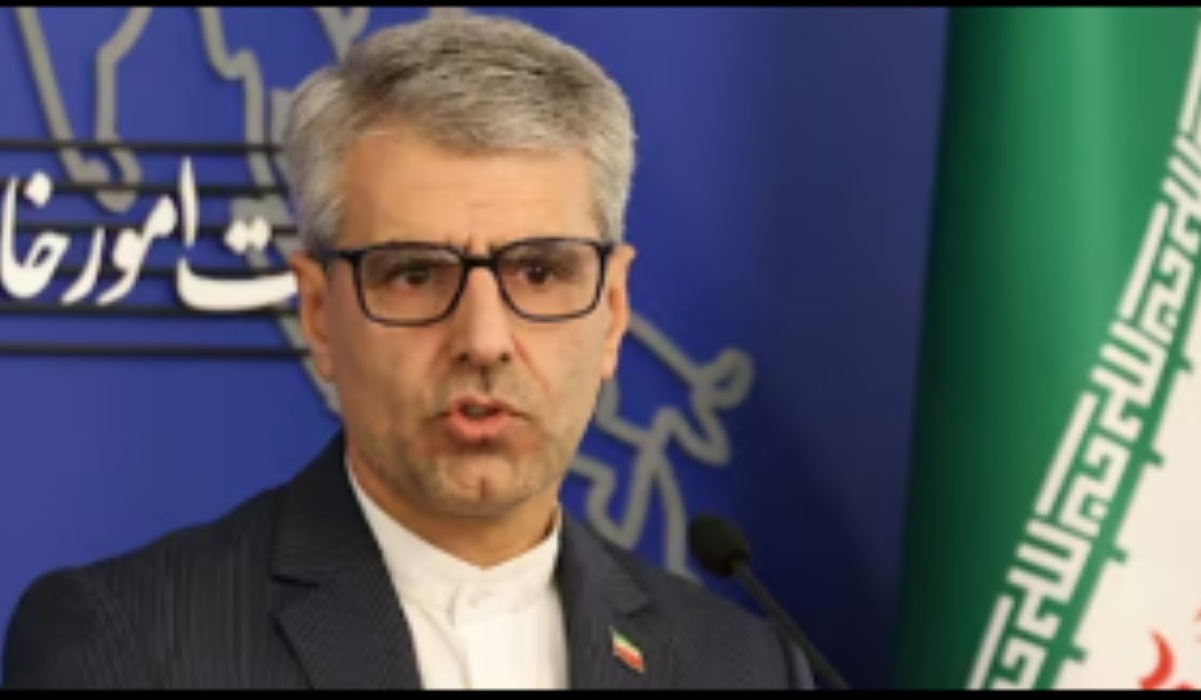
“We will not let the United States determine the timing of war and peace,” declared Iranian Foreign Ministry spokesman Esmaeil Baghaei during his weekly press briefing on Monday (27/7/2026).
Baghaei stated that any decision regarding future negotiations would be based entirely on Iran’s national interests. He also stressed that Tehran would continue to defend itself for as long as necessary. While acknowledging that messages were still being exchanged between Tehran and Washington, Baghaei described US military actions as damaging the conditions for meaningful negotiation.
On the other hand, US President Donald Trump claimed that Iran had requested talks both through intermediaries and directly. Trump viewed Tehran’s willingness to negotiate as a consequence of massive military pressure.
“We are holding in-depth talks with Iran,” Trump told reporters. He nevertheless issued a stern warning: “If these talks fail, we will return to large-scale military operations.”
Trump added that he had responded positively to mediators’ requests to give diplomacy a chance, but stressed he would not allow the talks to drag on indefinitely without a deadline.
Despite renewed diplomatic efforts, the crisis in the Strait of Hormuz remains a crucial unresolved point. The strategic waterway, through which a fifth of the world’s oil and gas trade passes, has remained closed by Iran since the war began on 28 February.
Baghaei said talks with Oman on managing the waterway were continuing, but emphasised that the matter was bilateral and did not involve the United States. Iran’s Deputy Parliament Speaker, Haji Babaii, also affirmed that any decision on Hormuz rests entirely with Iran’s leadership and people.
Tensions at sea continue to rise, with reports from the Islamic Revolutionary Guard Corps (IRGC) that it intercepted six vessels attempting to cross through unofficial routes. Meanwhile, US Central Command (Centcom) reported it had diverted 17 commercial vessels and detained two others to enforce maritime restrictions.
The temporary military lull has yet to ease Iran’s domestic economic burden. Citizens still face electricity shortages, fuel imbalances, and inflation that has devastated purchasing power. Reports indicate many families in Tehran have been forced to cut back on essential food consumption, including fruit, as incomes fail to keep pace with rising prices.
At the regional level, the situation has grown more complicated with the intensification of attacks by Iran-backed Houthi forces on Saudi oil infrastructure in the Red Sea. These attacks triggered retaliatory Saudi air strikes on Yemen, resulting in significant slowdowns in commercial shipping through the Bab al-Mandeb Strait.
Trump warned that although the US is not currently involved in operations against the Houthis, Washington stands ready to intervene should the group become a greater problem for global interests.
Source: jawawa.id (https://jawawa.id/newsitem/iran-asserts-us-does-not-dictate-timing-of-war-and-peace-1785243159)
Originally published by Media Indonesia (https://mediaindonesia.com/internasional/915673/iran-tegaskan-waktu-perang-dan-damai-tidak-ditentukan-as), translated from Indonesian