
Iran Announces New Body to Manage Strait of Hormuz
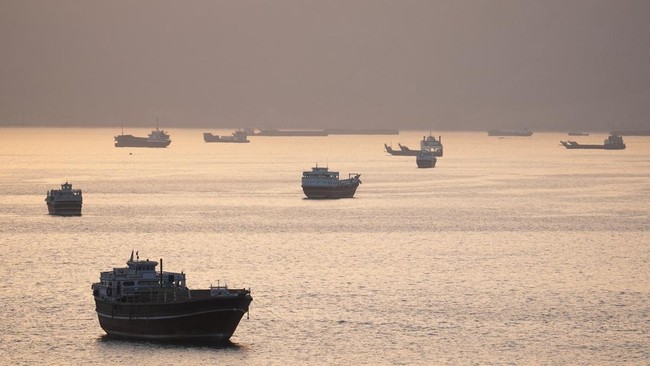
Iran has officially formed a new body to manage the Strait of Hormuz, a vital global shipping lane that has come under Tehran’s strict control since the outbreak of conflict involving the United States and Israel in late February. The announcement was made by Iran’s Supreme National Security Council on Monday via its official X account, introducing the new institution named the Persian Gulf Strait Authority (PGSA).
The authority is intended to provide “real-time updates regarding Strait of Hormuz operations and the latest developments.” The account of the Islamic Revolutionary Guard Corps Navy also shared the announcement, highlighting the direct involvement of Iranian security forces in managing the strategic maritime route.
While detailed functions of the new body have yet to be fully explained, Iran’s English-language state media, Press TV, described the PGSA as a “system to exercise sovereignty over the Strait of Hormuz.” Press TV further reported that vessels transiting the strait have already begun receiving “regulations” via email from the authority’s official address.
Iran has significantly restricted shipping traffic in the Strait of Hormuz since the conflict began on 28 February. Despite a fragile ceasefire in effect since 8 April, Iranian control over the strait persists. This situation has destabilised global markets and provided Iran with significant leverage in regional geopolitical conflicts. Conversely, the US has imposed maritime blockades on Iranian ports as part of its pressure campaign against Tehran.
Under normal circumstances, the Strait of Hormuz serves as a transit route for approximately one-fifth of the world’s oil and liquefied natural gas (LNG) supply. In addition to energy, essential commodities such as fertilisers pass through this route. Consequently, any disruption to traffic in the strait immediately triggers surges in energy prices and international market anxiety regarding global supply stability.
Since the onset of the war, Iran has repeatedly asserted that shipping traffic in the Strait of Hormuz “will not return to pre-war conditions.” Last month, Tehran even claimed to have received its first revenue from levies imposed on vessels passing through the route, sparking fears that Iran is establishing a permanent system to control and charge for international trade in the region.
Last Saturday, Ebrahim Azizi, Chairman of the National Security Commission of the Iranian Parliament, stated that the country has prepared a new mechanism to regulate traffic in the Strait of Hormuz, noting that a “professional mechanism” is in place and will be announced shortly. The establishment of this specialised body is expected to heighten tensions with the West, particularly the United States, which opposes any unilateral control over international shipping lanes.