
Iran and US to Begin Final Negotiations This Weekend, Strait of Hormuz to Reopen
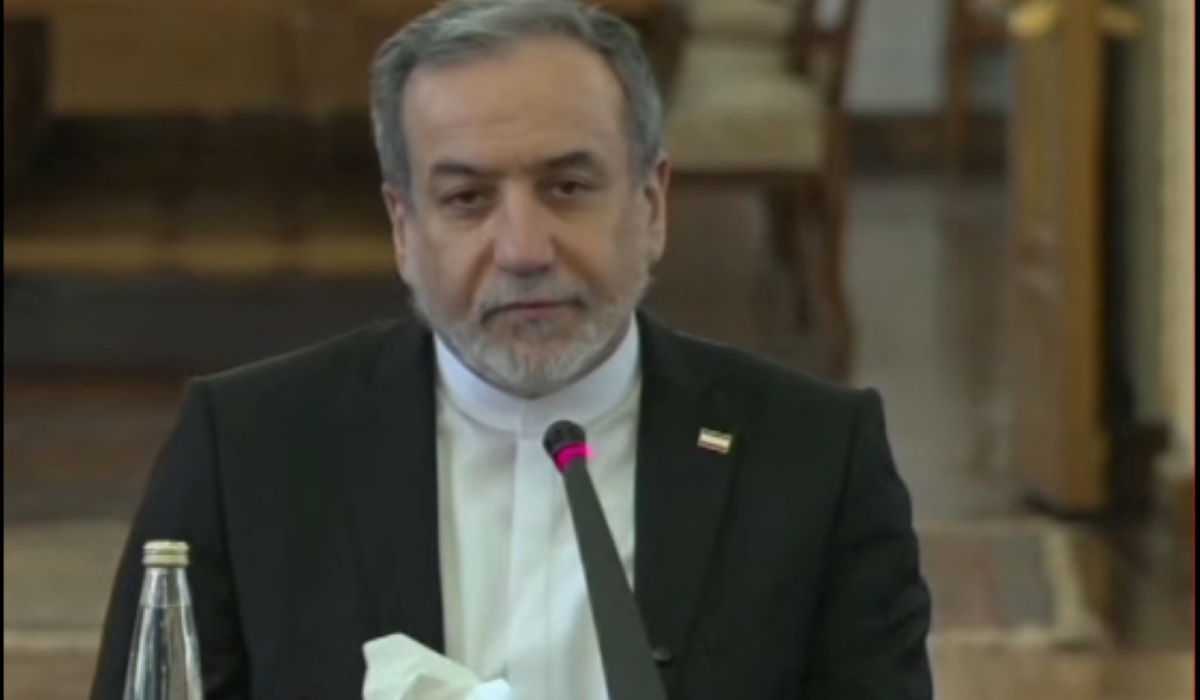
The Iranian government has announced that high-level talks with the United States regarding its nuclear programme and the lifting of economic sanctions are likely to begin this weekend. This diplomatic move follows a statement by US President Donald Trump guaranteeing that the Strait of Hormuz will be fully reopened once both parties sign a final agreement. Iranian Foreign Minister Abbas Araghchi stated on Tuesday (16/6/2026) that the new round of negotiations is scheduled to start on Friday (19/6) at a location yet to be determined. “In the final agreement, major decisions will be made regarding the nuclear issue and the removal of sanctions,” Araghchi said. The negotiations are scheduled to take place within a 60-day window after the physical signing of a Memorandum of Understanding (MoU) that ended a four-month war triggered by US-Israeli strikes on Iran. The Iranian delegation will be led by Mohammad Bagher Ghalibaf, while the US will be represented by Vice President JD Vance. There is a possibility that President Trump will also attend the signing ceremony in Switzerland. A crucial point in this development is Trump’s commitment to lift the blockade of the Strait of Hormuz, a vital route for global oil and gas supplies. In return, the US will also lift its blockade of Iranian ports. “Ships are starting to move, many are loading oil and leaving the Strait of Hormuz,” Trump said on the sidelines of the G7 summit in France. Although a ceasefire began in April through mediation by Pakistan and Qatar, the core issue of Iran’s nuclear ambitions remains a major challenge. Washington and Israel are pushing for the complete destruction of Iran’s stockpile of highly enriched uranium. Conversely, Tehran continues to insist on its right to enrich uranium for peaceful purposes. Despite growing optimism, analysts warn that the parallel conflict in Lebanon between Israel and the Iran-backed Hezbollah could be a major obstacle. Foreign Minister Araghchi stressed that ending the war on all fronts, including Lebanon, is an inseparable part of this peace agreement. On the other hand, Israeli Prime Minister Benjamin Netanyahu condemned the deal. He asserted that Israeli forces will remain in the Gaza Strip, Lebanon, and Syria for as long as necessary to guarantee their national security. Trump himself described the agreement document as very strong and will soon release its full text. However, he hinted that tough negotiations remain regarding the duration of Iran’s uranium enrichment suspension. The US is pushing for a 20-year period, while Iran may only agree to 15 years.