
Iran and Pakistan Seek to Avert US Attack
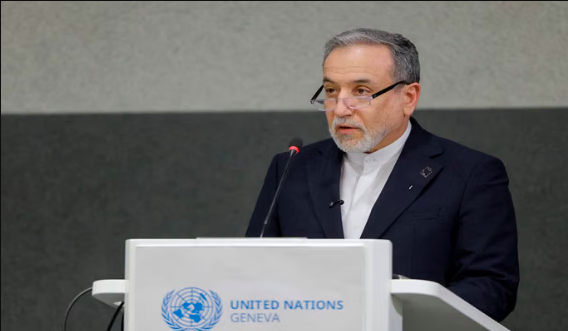
Foreign Minister Abbas Araghchi of Iran and Pakistan’s Chief of Army Staff General Asim Munir met in Tehran on Friday to discuss efforts to end the war between the United States and Iran. The meeting followed Munir’s arrival in Tehran as part of Pakistan’s mediation to end the conflict which began after the US and Israel attacks on Iran on February 28. The Iranian Foreign Ministry said the talks went late into the night, addressing a range of diplomatic efforts and initiatives to prevent escalation and to end the war. The two sides also discussed ways to strengthen peace, stability and security in the West Asia region, according to the ministry. Munir was described as directly involved in mediating between Washington and Tehran with the aim of permanently ending the war. Pakistan had previously helped secure a ceasefire on April 8 and later hosted the high-level talks between the US and Iran on April 11-12. The US and Iran are currently negotiating the reopening of the Strait of Hormuz, Tehran’s nuclear programme, and the demand for lifting sanctions on Iran. On Friday (22/5), US Secretary of State Marco Rubio said there had been little progress in the negotiations. Meanwhile, US President Donald Trump had previously said Washington postponed a new strike on Iran following requests from Gulf leaders; serious negotiations continue. Pakistan denied CBS News reports of Iranian military aircraft at Nur Khan Air Base. The draft agreement includes several crucial issues, ranging from Iran’s nuclear programme to tensions in the Strait of Hormuz. A suicide bombing hit a police installation in Pakistan, killing at least 15 personnel; the militant group IMP claimed responsibility. Iran submitted a 14-point response to the US proposal to end the war, rejecting a two-month ceasefire and emphasising a resolution within 30 days. Foreign Minister Abbas Araghchi met the Pakistani military leadership in Islamabad to discuss continuing Iran-US talks via indirect diplomatic channels. The peace efforts between Iran and the US were described as being on the brink of failure after Trump cancelled the envoy to Pakistan. Araghchi then headed to Russia to meet Putin. In a statement, Saudi Arabia expressed hope that hostilities in the region would be halted comprehensively. Araghchi rejected Donald Trump’s demand for unconditional surrender, saying Iran would continue to resist to defend its dignity and its people’s security. Araghchi also emphasised that Iran does not need a ceasefire and is prepared to face a possible US ground invasion. Tehran has no agenda to open space for dialogue with Washington while intimidation remains a central instrument of US foreign policy.