
Iran and Oman Agree on Strait of Hormuz Shipping Route, Still Dependent on US
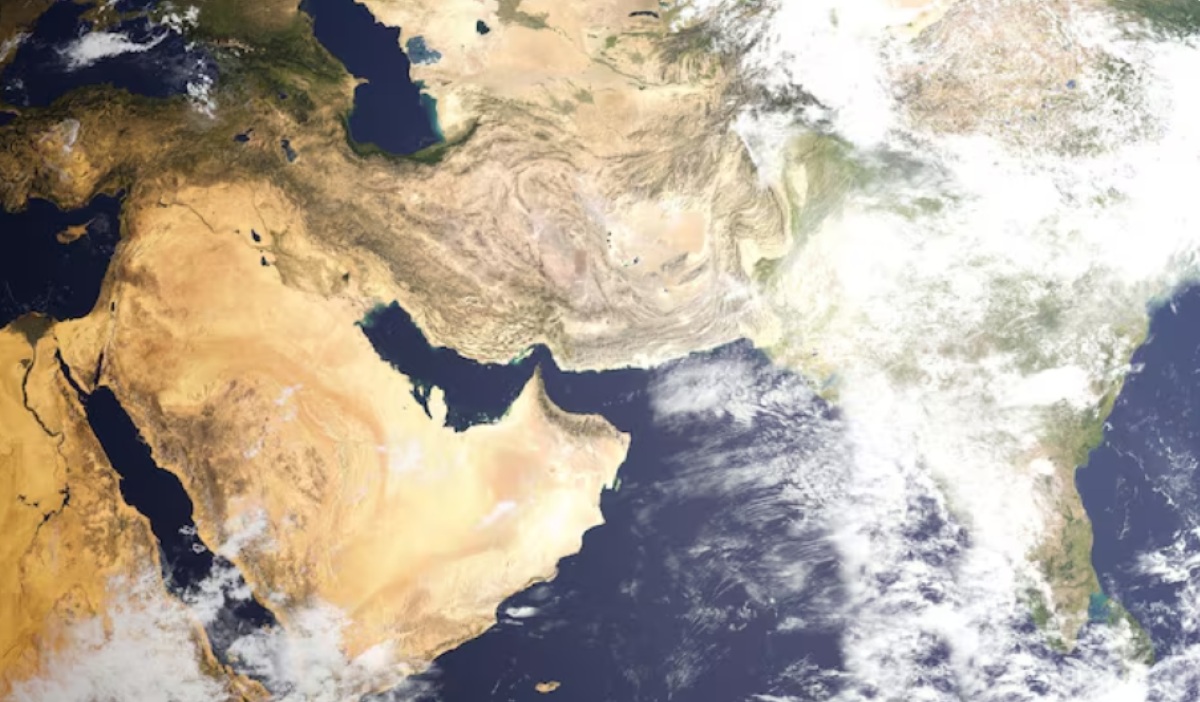
Iran and Oman have officially reached an agreement on a shipping route map for the Strait of Hormuz after a series of technical negotiations over several weeks. The move is considered crucial for ensuring navigational safety in one of the world’s most strategic maritime corridors.
Iranian Foreign Ministry spokesman Esmaeil Baghaei said on Saturday (15/8) that discussions between the two countries had shown significant progress. The intensive negotiations lasted approximately three months, following the signing of a memorandum of understanding on 18 June regarding the establishment of safe navigation routes.
“Despite obstacles from the United States, the talks showed positive progress over the last three weeks and an agreement was reached on the shipping route map,” Baghaei said, as quoted from Anadolu on Sunday (16/8).
The navigation plan was coordinated directly by Iran’s Foreign Ministry, involving various cross-sectoral agencies, from defence and security authorities to environmental bodies.
Although the route map has been agreed, Baghaei said several administrative details still need to be finalised. One of them is the drafting of a joint statement to be officially released by Tehran and Muscat. Diplomatic communication is assured to continue until the entire negotiation process is fully completed.
Baghaei stressed that the agreement is bilateral and independent in nature. As the two coastal states directly bordering the Strait of Hormuz, Iran and Oman are committed to guaranteeing shipping safety while upholding their respective national sovereignty.
However, the restoration of normal commercial shipping activity in the Strait of Hormuz will not automatically occur after this agreement. Baghaei emphasised that full security normalisation still depends on the fulfilment of a number of political and military conditions.
Iran considers that a total opening of the route can only take place if the US halts what it describes as illegal activities, military threats and naval blockades. In addition, Tehran is demanding compensation for alleged violations of commitments made by the US over the past two months.
The technical negotiations are a follow-up to a framework involving a memorandum of understanding between Iran and the US, under which Tehran and Muscat were mandated to develop a new navigation structure. Although the route is ready, Tehran has again stressed that the final decision to reopen the strategic waterway depends on US compliance with agreed international obligations.