
Iran and Oman Agree on Strait of Hormuz Shipping Route, Easing Oil Conflict?
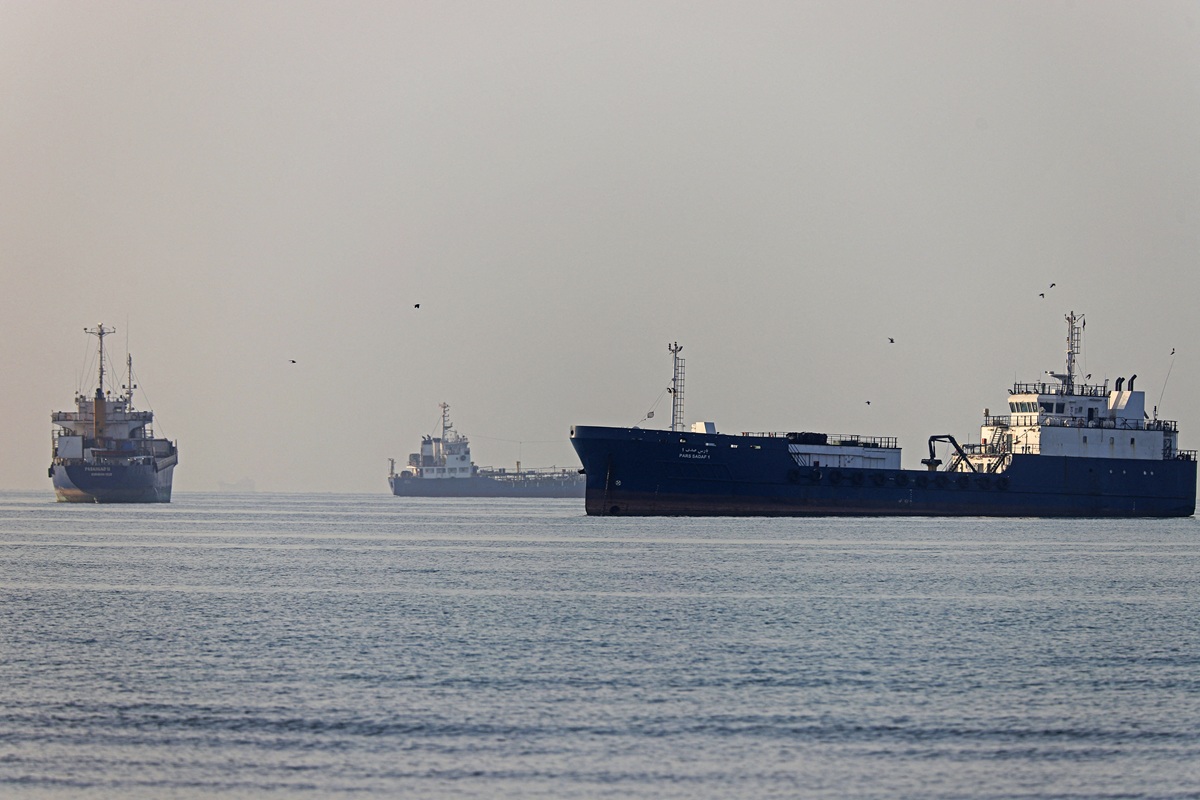
Iran has stated it has reached an agreement with Oman regarding a temporary shipping route in the Strait of Hormuz. This corridor is a vital passage normally used by around a fifth of the world’s oil and liquefied natural gas (LNG) supplies.
Iranian Foreign Ministry spokesman Esmaeil Baqaei said the “geographical coordinates of the route” had been agreed and were now entering the “final stage”. Nevertheless, he stressed that the agreement with Oman did not automatically guarantee safe navigation, as the threat of a naval blockade by the United States remained ongoing.
“The factors that make the Strait of Hormuz unsafe still exist on the part of the United States, particularly the naval blockade and other aggressive and threatening actions against Iran and its interests,” Baqaei said, citing Iran’s official news agency IRNA.
Iranian Deputy Foreign Minister Kazem Gharibabadi added that the new route was temporary and was expected to operate for two to four months. The US and Oman have not yet issued official comments on the proposal.
According to a Reuters report, the proposed agreement also includes control rights for Tehran over ships entering the Gulf. In addition, the issue of transit tariffs is a crucial point. Iran has proposed a fee of 5% to 7% of cargo value, Oman is discussing a figure of around 3%, while Washington rejects any fee at all.
Since the US and Israeli strikes on Iran in late February that killed Supreme Leader Ayatollah Ali Khamenei, Iran has blockaded the Strait of Hormuz and required all crossings to obtain prior permission. The closure of the route has triggered shocks to global energy prices. In Thursday morning trading in Asia, benchmark Brent crude oil prices were recorded slightly down 0.3% at $79.24 per barrel.
On the other hand, US President Donald Trump issued a stern warning that Iran would be “hit very hard” if the strait was not reopened soon. The statement came amid reports from US officials of progress in discussions, although Iran insists it is not negotiating directly with the US.
The escalation of the conflict is also overshadowed by political uncertainty within Iran. President Masoud Pezeshkian confirmed that communication with the successor to the supreme leader, Mojtaba Khamenei — who was injured in the February attack and has never appeared in public — is currently very difficult. Nevertheless, Pezeshkian dismissed speculation and stressed that he had held a productive meeting with Mojtaba.
Iranian military authorities have affirmed combat readiness and increased production of drones and missiles amid threats of surrender from Donald Trump.
US Central Command (CENTCOM) has claimed to have guided more than 1,000 commercial ships through the Strait of Hormuz amid the escalating conflict with Iran.
Iran and Oman are negotiating the management of ship traffic in the Strait of Hormuz. Qatar has stressed the importance of freedom of navigation in accordance with international law.
Tehran was reported to have cancelled plans to attack three targets in Ukraine following claims of an apology related to a ship incident in the Caspian Sea.
Officials also said revenue from the service fees would be divided equally between Iran and Oman.
Baqaei also denied reports of negotiations between Tehran and Washington. “We are not negotiating with the United States,” he said.
The United States is demanding that Iran stop attacks on ships and guarantee freedom of navigation in the Strait of Hormuz.
Source: jawawa.id (https://jawawa.id/newsitem/iran-and-oman-agree-on-strait-of-hormuz-shipping-route-easing-oil-conflict-1785984619)
Originally published by Media Indonesia (https://mediaindonesia.com/internasional/918843/iran-dan-oman-sepakati-rute-pelayaran-selat-hormuz-konflik-minyak-mereda), translated from Indonesian