
Iran and Oman Agree on Hormuz Strait Shipping Lane Coordinates
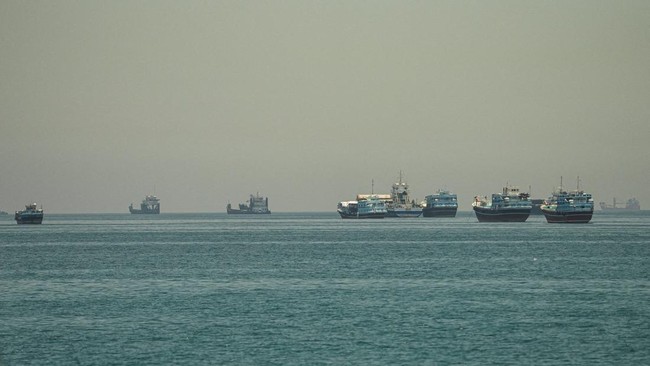
Iran and Oman have announced they have reached an understanding regarding the geographical coordinates for a shipping lane through the Strait of Hormuz, a development that could be a significant step towards reopening one of the world’s most strategic energy passages. The announcement comes after months of disruption caused by conflict in the Middle East.
Esmail Baghaei, spokesperson for Iran’s Ministry of Foreign Affairs, stated on Wednesday that the two countries are finalising a joint announcement on the agreement, provided no third party interferes. “Iran and Oman have reached an understanding on the geographical coordinates for the shipping lane through the Strait of Hormuz,” Baghaei said, while cautioning that the agreement does not automatically guarantee security in the strategic waterway.
According to a senior Iranian source and two regional officials, the deal under discussion would grant Tehran control over vessels entering the Gulf through the Strait. If realised, this would represent one of the most significant concessions ever made to Iran regarding the management of the international shipping lane.
The Iran-Oman agreement is viewed as a stepping stone towards a broader ceasefire deal with the United States. Such a deal is expected to reopen the Strait of Hormuz to international shipping and end the US blockade of Iranian ports, which has roiled global energy markets. The development coincides with claims by US President Donald Trump that a separate peace deal announcement with Iran could be made imminently, though sources familiar with the negotiations denied that a deal to reopen the Strait was close to completion, insisting that key details still need to be agreed.
If approved by Washington, the agreement would mark a significant concession by granting Iran partial control over the shipping lane. Prior to the conflict, the Strait of Hormuz was considered a neutral waterway, but the situation changed after the United States and Israel launched a joint attack on Iran in February, prompting Tehran to target ships in the region. Baghaei described the talks between Tehran and Muscat as positive, noting that negotiations were conducted “professionally” and that both parties had reached a mutual understanding on the geographical parameters of the proposed lane.