
Iran and Kuwait Discuss Tehran-Washington Memorandum of Understanding
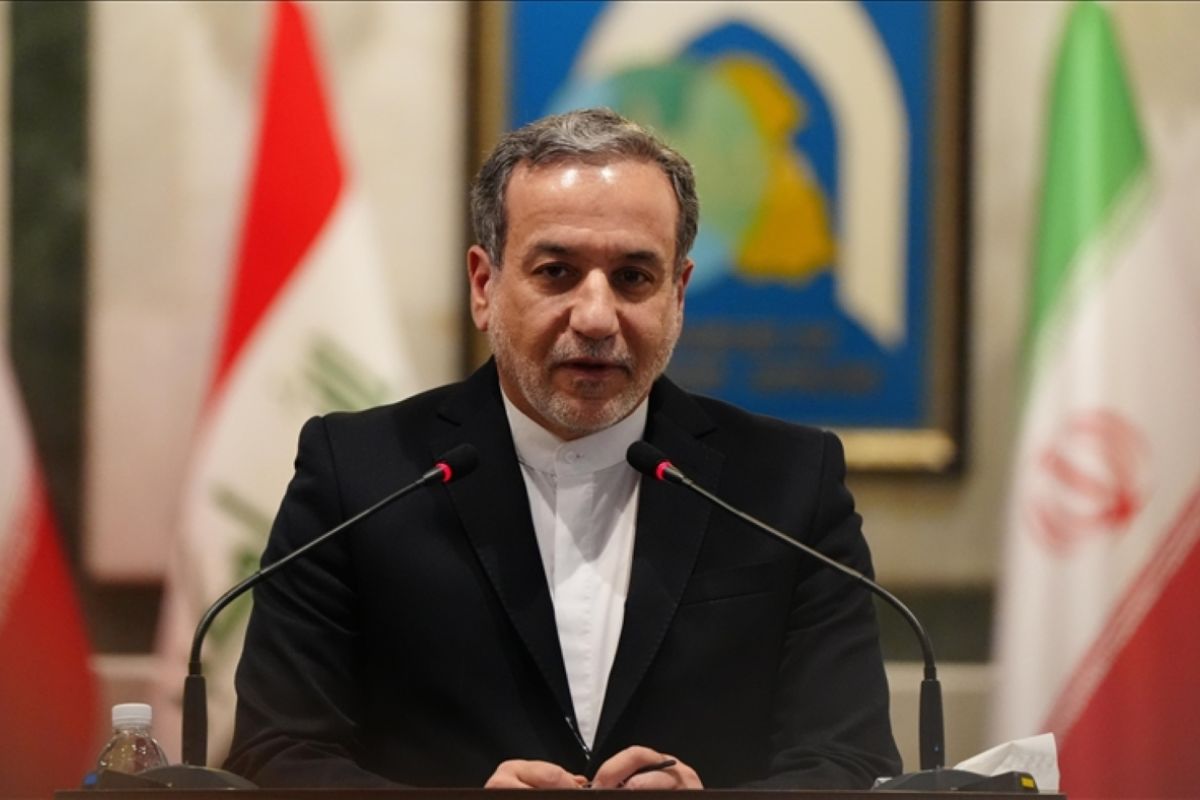
Iranian Foreign Minister Abbas Araghchi and Kuwaiti Foreign Minister Sheikh Jarrah Jaber Al-Ahmad Al-Sabah discussed the recently signed memorandum of understanding between the United States and Iran, regional developments, and bilateral relations in a phone call on Thursday. According to a statement from Iran’s Foreign Ministry, Araghchi briefed his Kuwaiti counterpart on the contents and latest developments regarding the ‘Islamabad Memorandum’ signed by Tehran and Washington. Araghchi reiterated Iran’s commitment to a good neighbourliness policy and expressed hope that the agreement could contribute to restoring peace and stability in the region. He also stressed the importance of continuing dialogue with Gulf states to enhance cooperation and address remaining concerns and misunderstandings. The two ministers exchanged views on a number of bilateral issues and agreed on the importance of maintaining diplomatic consultations on matters of mutual interest. He also emphasised that relations between states must be based on the principles of international law and the objectives enshrined in the United Nations Charter. Kuwait’s top diplomat underscored the importance of upholding the principle of good neighbourliness, respecting the sovereignty, independence, and territorial integrity of every state, non-interference in the internal affairs of other countries, refraining from the use or threat of force, resolving disputes peacefully, and halting support for proxy groups. The phone call was the first publicly announced contact between the two foreign ministers since the outbreak of war against Iran in late February, when Tehran launched attacks that also targeted several Gulf states, including Kuwait. The communication took place a day after Iran and the United States formally signed a 14-point memorandum of understanding aimed at ending the months-long conflict and paving the way for negotiations on Iran’s nuclear programme and sanctions relief. Iranian officials described the agreement as a framework for ending military operations across various regional fronts and creating conditions conducive to broader diplomatic engagement and economic cooperation.