
Iran and Israel Announce Temporary Pause After Mutual Attacks
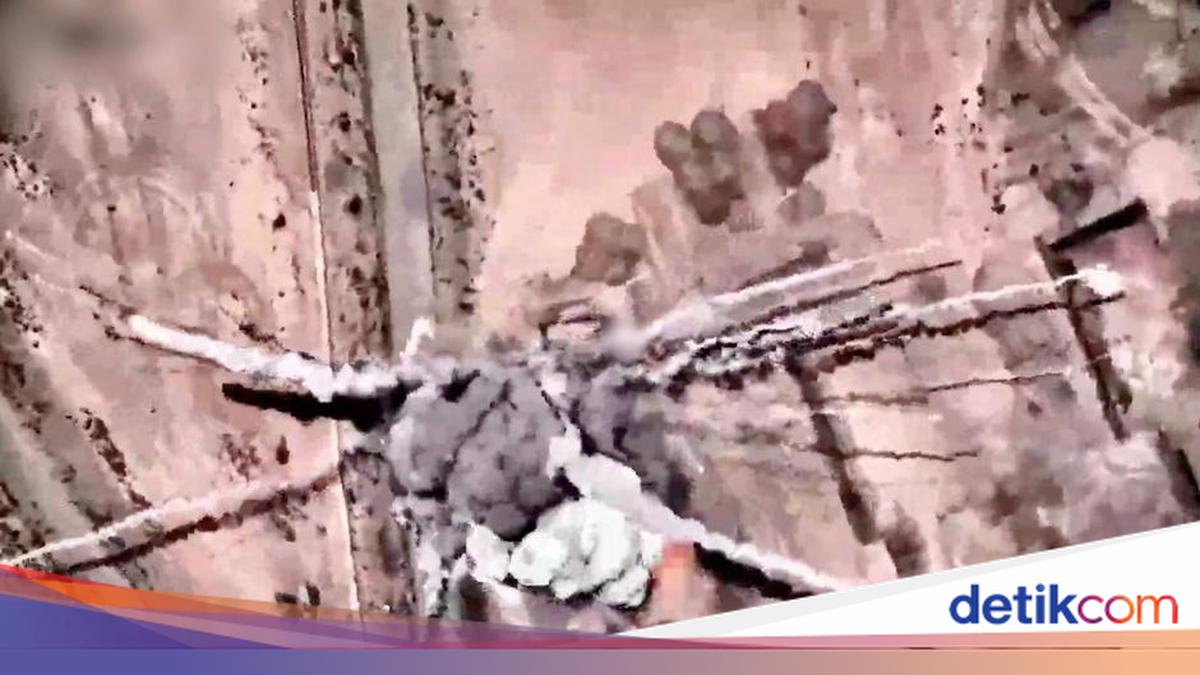
Israel and Iran have declared a temporary cessation of attacks, after the two countries exchanged fire for the first time since a ceasefire was established two months ago. Nevertheless, both parties have stressed they are prepared to retaliate if attacked again.
This latest development has raised hopes of a de-escalation in the conflict that has shaken the Middle East region and triggered global economic turmoil. However, the situation on the ground indicates tensions are still far from over.
Since the United States and Israel launched strikes against Iran on 28 February 2026, the conflict has driven up global energy prices and increased the cost of various essential goods. Diplomatic efforts to transform the ceasefire – announced in April – into a permanent peace agreement have so far yielded no results.
US President Donald Trump called for an immediate halt to the fighting between Israel and Iran. Shortly thereafter, Iran’s joint military command announced a cessation of its offensive operations. In its statement, the Iranian military warned that any further “aggression and hostile acts” by Israel or its allies, including in southern Lebanon, would be met with “harsher and devastating” action.
Israeli Prime Minister Benjamin Netanyahu also signalled that this round of attacks had concluded. However, he stressed Israel would respond firmly if Iran launched further strikes. “If Iran makes a mistake and attacks us again, we will respond with force,” Netanyahu said in a recorded statement. Nonetheless, Netanyahu affirmed that Israeli military operations against the Iran-backed Hezbollah group in Lebanon would continue.
Amid the de-escalation, Israeli strikes in Lebanon are still ongoing. Lebanon’s Ministry of Health reported at least seven people killed, including a Syrian child, as a result of an airstrike in the village of Zefta. Eight others were injured. A separate strike in the coastal city of Tyre killed five people and wounded eight others, including several members of the Lebanese Red Cross.
As a sign of easing tensions, Israel and Iran have begun lifting several security restrictions previously imposed. The Israeli military announced that most schools closed due to the security situation would reopen. Meanwhile, Iran’s official news agency, Mizan, reported that airspace restrictions for civilian flights have been lifted.
However, several sources of tension persist. Iran continues to maintain a tight blockade of the Strait of Hormuz, the strategic chokepoint that serves as a vital artery for global oil and gas trade. The threat of disruption to this passage has been one of the main factors behind the surge in global energy prices in recent months. On the other side, Israel continues to pound Hezbollah positions in Lebanon and expand its military operations in the country.
A number of countries in the region are seeking to prevent the conflict from spreading further. Pakistani Prime Minister Shehbaz Sharif called on all parties to exercise restraint and give space for peace efforts. According to two regional officials, Egypt, Saudi Arabia, Turkey, Pakistan and Qatar have urged the Trump administration to press Israel to halt its attacks on Iran and Beirut. At the same time, these countries have also asked Iran to stop its attacks on Israel.
Iran’s Ambassador to the United Nations, Amir Saeid Iravani, said Tehran and Washington are still continuing negotiations to reach a peace agreement. “We hope both parties can soon reach a conclusion,” he said after attending a UN Security Council session.