
Iran Admits Receiving Secret Messages from US but Rejects Peace Negotiations
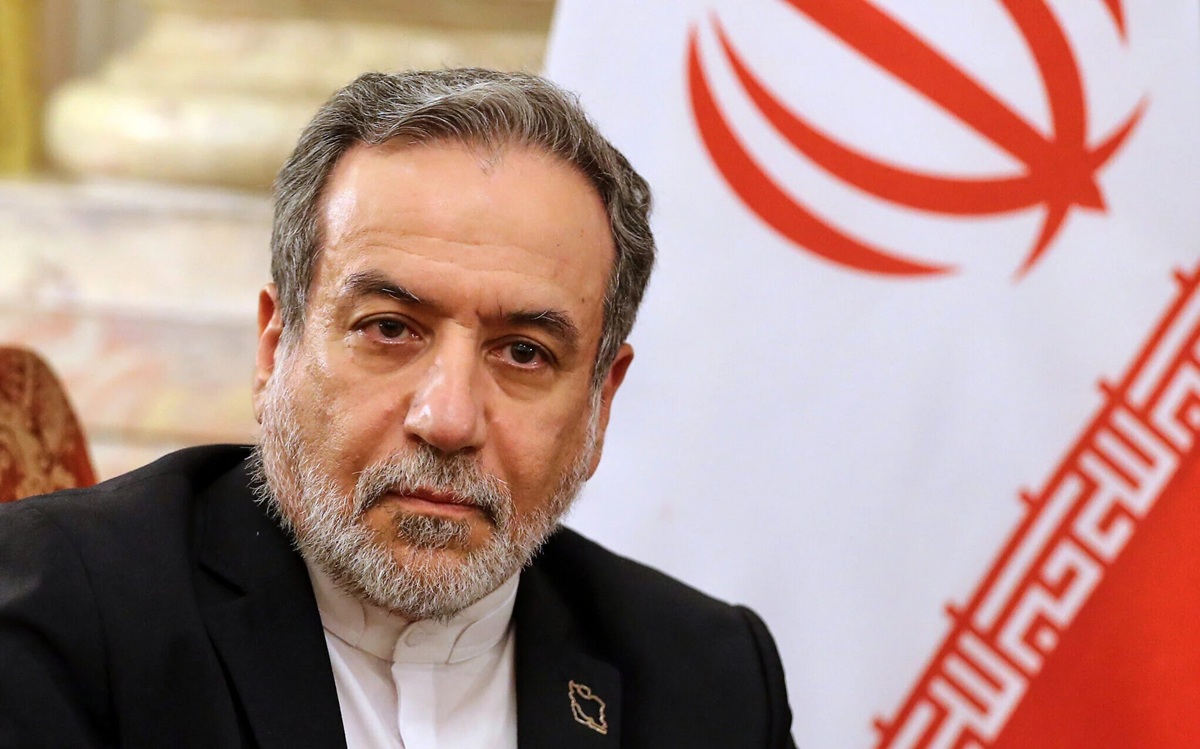
Tensions in the Middle East have entered a new phase filled with diplomatic intrigue. Iran’s Foreign Minister, Abbas Araghchi, revealed that the United States has sent various messages through intermediary countries over the past few days. However, Tehran emphasised that these message exchanges are not a sign of the start of peace negotiations.
In an interview on Iranian state television, Araghchi explained that the messages from the US were conveyed through “friendly countries”. Although Iran responded to the messages, Araghchi stressed that their position remains one of issuing warnings.
“This is not dialogue, not negotiations, or anything like that,” Araghchi asserted. He added that Iran’s current policy is to continue “defence” and that they “have no intention to negotiate at this time.”
Araghchi also levelled sharp criticism at the ongoing escalation. “This is Israel’s war, and the people in this region as well as the American public are bearing the costs,” he stated.
Amid the diplomatic impasse between Tehran and Washington, UN Secretary-General Antonio Guterres called for an immediate end to the war. Guterres specifically warned Israel and the US, while urging Iran to stop attacking neighbouring countries.
Guterres described the distressing conditions he witnessed firsthand during his recent visit to Lebanon. He emphasised that the escalation in Lebanon must not end like the tragedy in Palestine.
“The Gaza model must not be repeated in Lebanon,” Guterres stressed. He called on Hezbollah to stop attacks on Israel and urged Israel to halt military operations and strikes.
Meanwhile, in Washington, White House Press Secretary Karoline Leavitt insisted that President Donald Trump is engaged in “productive discussions” with Iran. However, this claim directly contradicts Araghchi’s statement rejecting any intention to negotiate. Leavitt also denied reports of a 15-point US peace plan, calling it speculation.
Conditions on the ground show a direction opposite to peace. Israeli Prime Minister Benjamin Netanyahu has just announced plans to create a “wider buffer zone” in Lebanon to push back the Hezbollah threat.
The situation grows increasingly tense for Gulf states on the front lines. In Dubai, reports indicate that Kuwait International Airport is struggling to extinguish a fire caused by a drone attack, showing that the flames of war continue to spread beyond the borders of Israel and Lebanon.
Indonesia urges an end to civilian casualties in the Iran conflict and offers itself as a mediator for dialogue to dampen the escalation of war in the Middle East.
Tensions rise in the Persian Gulf. The US considers ground operations on Kharg Island, while Iran strengthens defences with mines and MANPADS missile systems.
Saudi Crown Prince MBS is reportedly lobbying Donald Trump to continue the war and overthrow the Iranian regime amid the heating Middle East conflict in 2026.
Donald Trump’s approval rating plummets to 36% according to a Reuters/Ipsos survey. The public is disappointed with the surge in fuel prices and US military strikes on Iran deemed unsafe.
Middle East escalation 2026: US prepares 3,000 elite airborne troops. Trump sends 15-point peace proposal via Pakistan as Iran attacks US base.