
Iqbal Envisions Turning Sweet Palm Sap into Premium Beverage for Five-Star Hotels
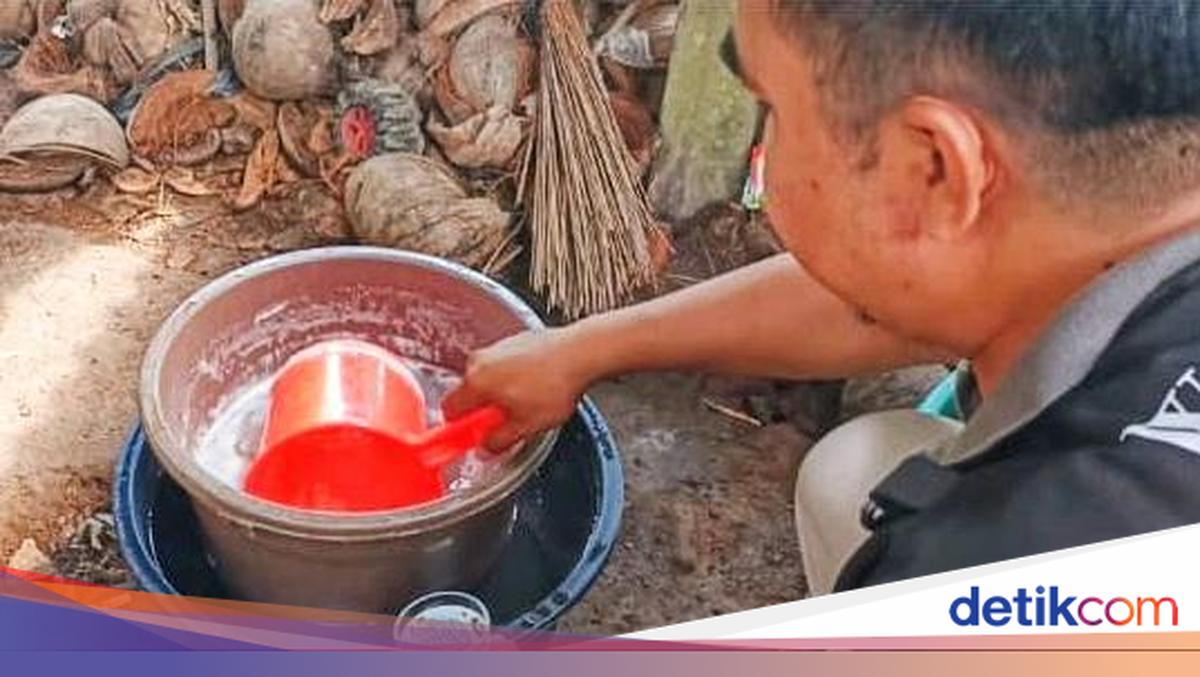
Governor of West Nusa Tenggara (NTB), Lalu Muhamad Iqbal, is captivated by the abundant potential of sweet palm sap, or nira, in Mekarsari Village, Gunungsari District, West Lombok. He is encouraging the sap harvested from local gardens to be processed into a premium fresh beverage with high market value. According to Iqbal, the current method of processing nira by residents is inefficient and yields low economic returns. Most of the sap is turned into brown sugar, a process that is time-consuming and generates minimal income. “To produce one kilogram of brown sugar, you need 10 litres of nira. It has to be boiled for about eight hours using firewood. So it takes a very long time and the work is exhausting,” Iqbal said during a visit to the Transformatif Desa Berdaya programme in Mekarsari on Thursday. By his calculations, 10 litres of nira cooked all day only yields around Rp 50,000 in brown sugar. Consequently, the NTB Provincial Government is studying a downstream processing scheme to turn the nira into a ready-to-drink fresh beverage, targeting high-end markets such as hotels, restaurants, and tourist destinations across NTB. “If we set up the industry, the community can tap the nira into a premium fresh drink to supply hotels and restaurants, and it could even be used as a welcoming drink,” Iqbal explained. The former Indonesian Ambassador to Turkey noted that the required technology is not complicated. The nira simply needs to undergo a sterilisation process using ultraviolet (UV) light to halt fermentation, before being packaged in premium bottles. This scheme is believed to potentially increase nira farmers’ incomes by up to eight times. “With brown sugar, 10 litres only becomes Rp 50,000. But if processed into a premium drink, 10 litres can produce around 40 bottles of 250 ml. If one bottle is sold for Rp 10,000, the value could reach Rp 400,000,” Iqbal stressed. Beyond boosting local wallets, the product is expected to become a new identity for NTB tourism. “So besides providing added value to the community, this also supports the tourism sector,” Iqbal added. Iqbal has deployed the NTB Industry and Trade Office (Disperindag) to finalise the plan. The office will provide assistance to residents, covering the production chain through to marketing strategy. Despite the promising potential of nira, Iqbal did not deny a major hurdle in Mekarsari Village. The village, located in a hilly area, is still hampered by damaged, narrow, and steep road infrastructure. This extreme access severely disrupts the distribution of local produce, including nira, brown sugar, and durian. As a result, many farmers are forced to sell their harvests to middlemen at low prices. Iqbal stressed that improving road infrastructure in Mekarsari Village is a non-negotiable requirement to end the economic isolation of residents. The NTB Provincial Government has pledged to seek alternative funding sources beyond the Transformatif Desa Berdaya programme budget to repair the road. “We will find another source of funding for this road. The point is we will tackle this together, and we will get it done,” Iqbal stated.