
IPS Assesses Downstreaming as Key Investment Driver in Prabowo Era
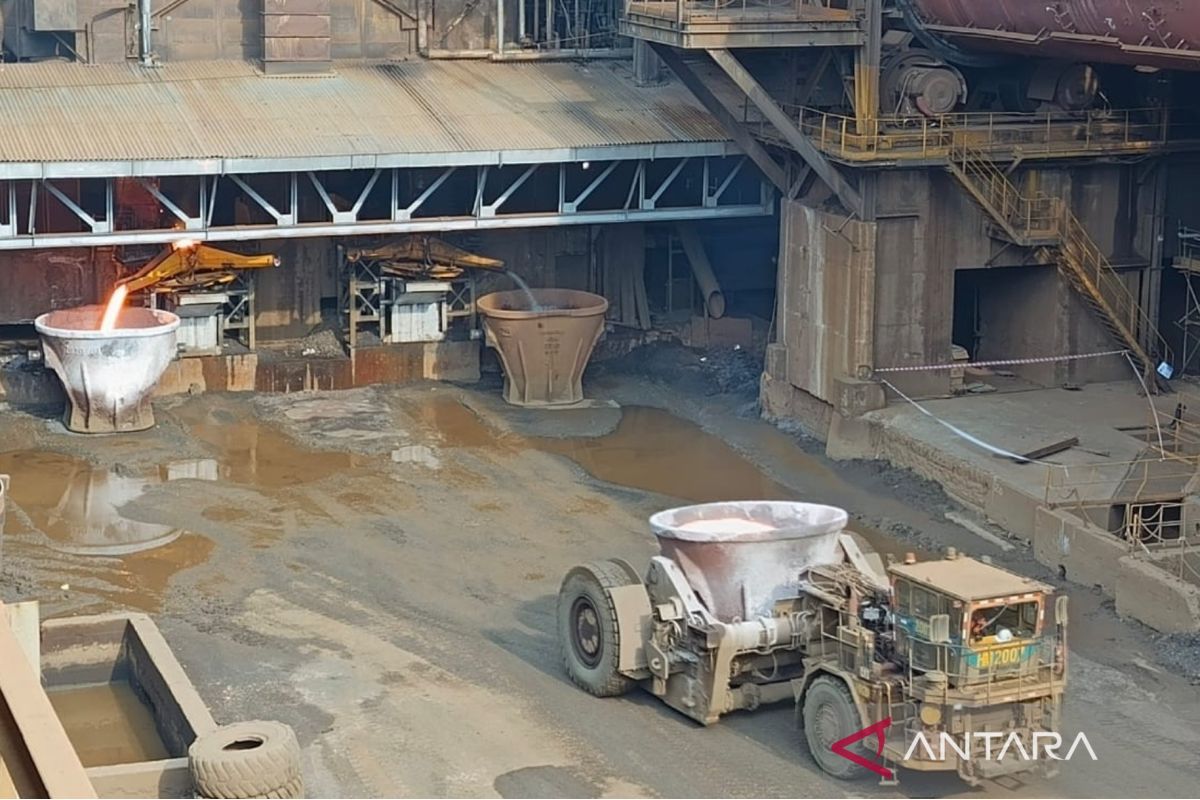
The Institute for Policy Studies (IPS) assesses that downstreaming is increasingly becoming the main driver of national investment during the administration of President Prabowo Subianto, as downstreaming-based investment realisation reached Rp147.3 trillion, or approximately 29.6 per cent of the total national investment of Rp498.8 trillion in the first quarter of 2026. IPS researcher Indra Kusumawardhana stated that this achievement shows downstreaming is no longer merely a natural resource processing policy, but has developed into a strategic instrument for driving national economic transformation through increased added value, strengthening domestic industry, and more equitable distribution of investment across regions. “Downstreaming is now one of the main engines of national investment. However, its success should not be measured solely by the investment value, but also by its ability to create technology transfer, derivative industries, local workforce involvement, and the strengthening of domestic supply chains,” Indra said in an IPS written statement in Jakarta on Tuesday. Based on an IPS study, the mineral sector remains the largest contributor to downstreaming investment, with a value reaching Rp98.3 trillion. The largest investment came from the nickel commodity at Rp41.5 trillion, followed by copper at Rp20.7 trillion, and iron and steel at Rp17 trillion. IPS also noted that 75.5 per cent of national investment in the first quarter of 2026 was realised outside Java, particularly in Central Sulawesi and North Maluku, which serve as centres for the mineral processing industry. According to IPS, this trend indicates that the downstreaming policy is beginning to encourage the emergence of new economic growth centres in various regions while strengthening development equity. However, IPS reminded the government that downstreaming should not stop at the initial commodity processing stage. The IPS study also recorded that the processing industry grew by 5.04 per cent in the first quarter of 2026. Yet the sector still faces several challenges, including high dependence on imports and limited exports of high-value-added manufactured products. Therefore, IPS recommends that the government maintain the downstreaming momentum through investment policies that generate productive impacts for the economy. These steps include strengthening technology transfer, increasing the involvement of domestic industries in the global supply chain, creating quality jobs, and directing state spending towards programmes that can enhance long-term economic productivity.