
IPR: President's 'Londo Ireng' Remark Criticises Interest Orientation, Not a Profession Generalisation
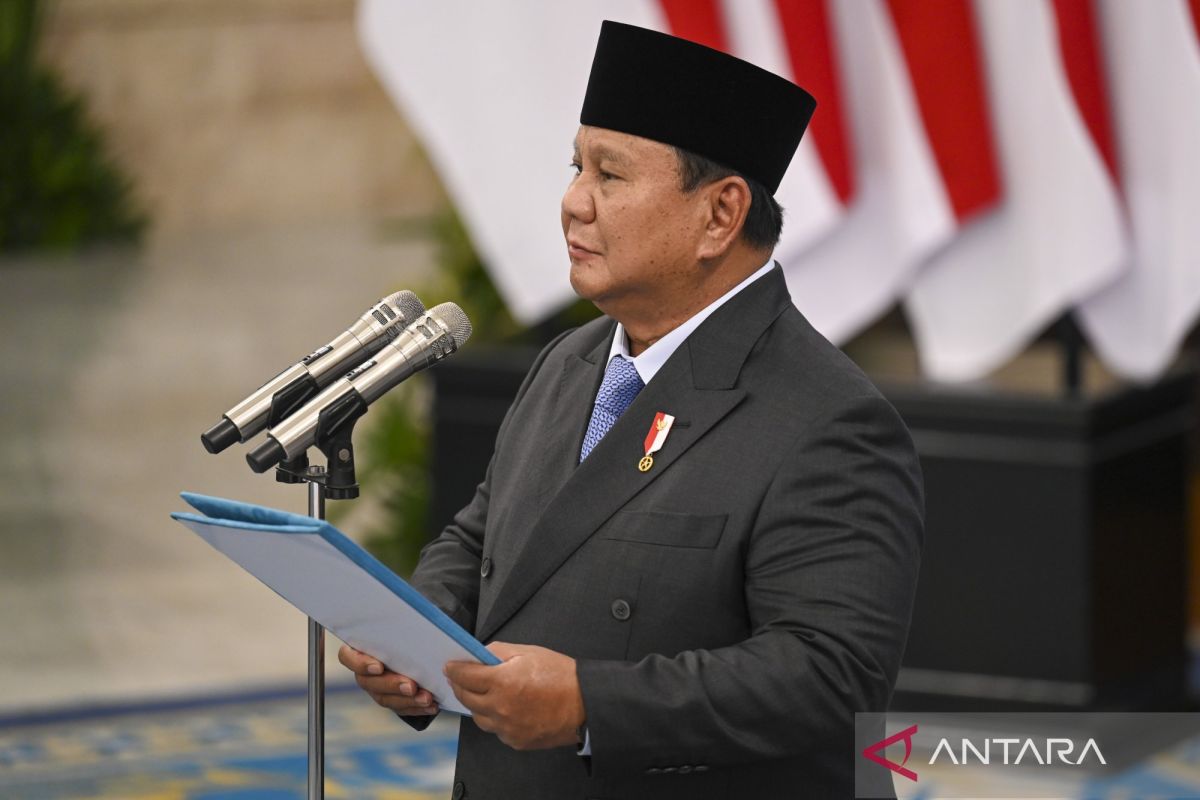
Executive Director of Indonesia Political Review (IPR) Iwan Setiawan assessed that President Prabowo Subianto’s statement about ‘londo ireng’ should be understood as a political metaphor, not literally directed at specific individuals or groups. ‘I see the President’s statement as more accurately understood as a political metaphor, not literally directed at specific individuals or groups,’ Iwan said in a statement in Jakarta on Sunday. According to him, the term ‘londo ireng’ refers to individuals whose way of thinking, partiality, and/or actions benefit foreign interests more than national interests. ‘The term ’londo ireng’ itself has long been known in Indonesian history as a symbol for people who are physically part of their own nation, but whose way of thinking, partiality, or actions benefit foreign interests more than national interests,’ he said. Iwan noted the statement cannot be separated from the context that President Prabowo consistently champions a national sovereignty agenda. This can be seen from downstreaming policies, food security, energy self-sufficiency, strengthening national industry, and the courage to adopt policies that do not always align with foreign interests. ‘In such a situation, groups will certainly emerge that continuously build pessimistic narratives or even attempt to thwart the state’s strategic policies. I think the President is reminding the nation’s elite not to become an extension of external interests when Indonesia is trying to strengthen its bargaining position at the global level,’ he said. Iwan underlined that the President was not accusing all journalists, NGO workers, and analysts of being ‘londo ireng’, but rather specific individuals working for foreign interests and sacrificing national interests. ‘I do not see the President as generalising a particular profession. It is very wrong if the term is then directed at all journalists, NGO activists, academics, or analysts. The issue is not the profession, but if there are any parties—whether officials, politicians, academics, businesspeople, analysts, NGOs, or media—who consciously fight for foreign interests by sacrificing national interests,’ he said. Therefore, Iwan views the term ‘londo ireng’ as the President’s criticism of a way of thinking and interest orientation, rather than an accusation against a specific profession. ‘Because of that, I view the President’s statement more as a criticism of a way of thinking and interest orientation, not of a specific professional identity,’ he said.