
IPOMI says bus manufacturers have adjusted specifications for B50
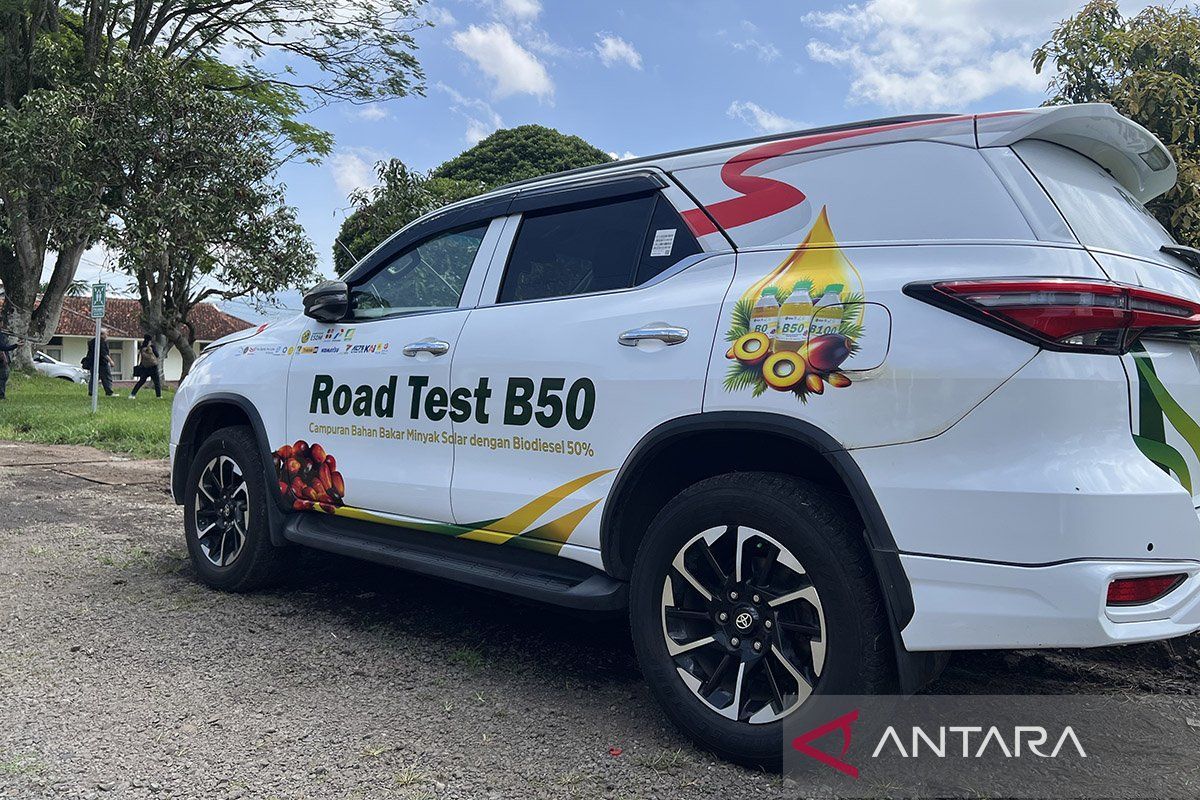
The Indonesian Young Bus Operators Association (IPOMI) Chairperson, Kurnia Lestari Adnan, has stated that several engine and commercial vehicle manufacturers have adjusted their product specifications to be compatible with the use of B50. The Indonesian government officially plans to begin implementing B50 biodiesel fuel in early July 2026, as part of efforts to strengthen national energy security and reduce dependence on fossil fuels. This measure is being taken to ensure optimal vehicle performance as the biodiesel content in fuel increases. “Regarding engine technology, several manufacturers in particular have already adjusted their buses for B50 fuel,” Kurnia Lestari Adnan said on Wednesday. Nevertheless, transport operators acknowledge that the implementation of B50 requires greater attention to vehicle maintenance. In some conditions, fuel filter replacements that were previously carried out every 15,000 to 20,000 kilometres now need to be done more quickly to maintain fuel system performance. “It certainly will not achieve savings; instead, we will have to replace fuel filters more often, and the lifespan of compression components like fuel pumps and fuel injectors will wear out faster,” he continued. Additionally, vehicles using Exhaust Gas Recirculation (EGR) technology require more regular component cleaning. Meanwhile, for vehicles using Diesel Exhaust Fluid (DEF) systems, monitoring the exhaust system becomes an important part of maintenance procedures to ensure optimal operation. According to him, operators are now beginning to adjust the lubricant specifications used. Selecting lubricants with better engine protection and cleaning capabilities is considered important to support the performance of engines using higher biodiesel blends. The rising price of lubricants and maintenance components, such as filters, is also a consideration in formulating future operational strategies. On the other hand, the implementation of B50 is seen as an important momentum for the national automotive industry to continue innovating. The development of engine technology that is more adaptive to biofuels is believed to strengthen the competitiveness of Indonesia’s commercial vehicle industry while supporting the government’s energy transition programme. With collaboration between the government, manufacturers, and transport operators, the implementation of B50 is expected to run smoothly and become a strategic step in realising national energy self-sufficiency and reducing emissions in the transport sector.