
IPO Explains Differences with Celios Survey on Bahlil’s Performance
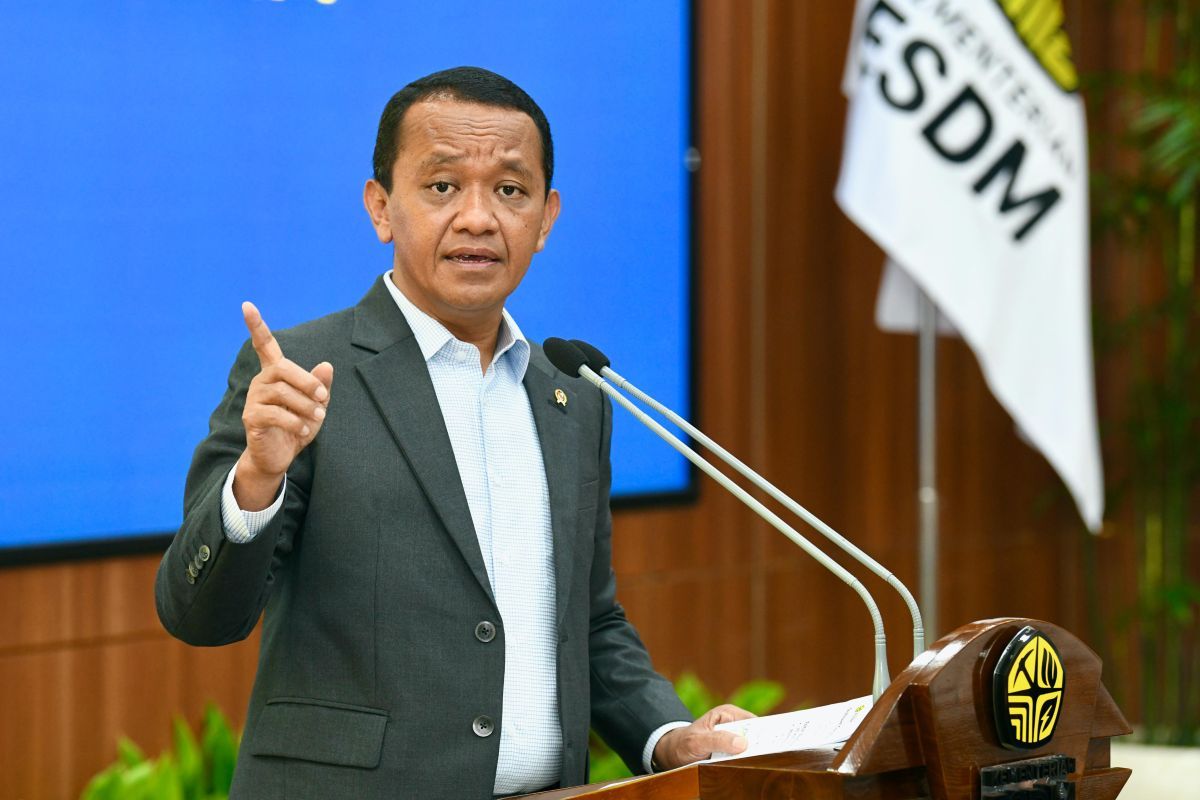
Jakarta (ANTARA) – Indonesia Political Opinion (IPO) has explained the differences between its survey findings and those of the Center of Economic and Law Studies (Celios) regarding the performance of Energy and Mineral Resources Minister Bahlil Lahadalia.
IPO Executive Director Dedi Kurnia Syah said in a statement in Jakarta on Friday that, according to the organisation’s measurements, public perceptions of Bahlil’s performance remained positive.
“Bahlil even recorded the highest satisfaction level among ministers overseeing economic sectors,” he said.
The IPO survey found satisfaction with Bahlil’s performance stood at 31.1 per cent. Dedi said this result was also supported by Bahlil’s relatively high profile among the public.
“This shows that Bahlil’s presence and performance as Energy and Mineral Resources Minister have attracted particular attention and appreciation from the public,” he said.
Dedi said Celios, meanwhile, used purposive sampling, in which respondents are selected according to criteria and considerations set by the researchers.
The different approaches can lead the two organisations to produce different pictures of public opinion. He said the characteristics of respondents and the scope of the groups included in a study could affect its final assessment.
For that reason, he said, differing research findings should not automatically be taken as grounds for concluding that a public official’s performance is wholly poor.
He said that if a study is oriented towards criticising the government from the outset, its perspective may focus more on shortcomings than achievements.
“Of course, if the aim is criticism, it is certain to look only at the negative side,” he said.
Nevertheless, differences between survey and study findings should be considered proportionately, taking into account each one’s methodology, respondent characteristics and assessment indicators.
Beyond the survey figures, Dedi said Bahlil had a relatively prominent leadership style, particularly in responding to the dynamics of relations between Indonesia and Singapore.
He said Bahlil’s response to tensions between the two countries showed political courage and a commitment to national interests.
“What Bahlil has shown is a nationalist stance, in defence of sovereignty. The diplomatic approach of persuasion being set aside can be understood if Singapore was the first to react and provoke,” Dedi said.
In situations involving national interests, he added, the government should not consider only the benefits of foreign investment, but must also ensure that the interests of the people and national sovereignty remain priorities.
“In this context, Bahlil’s firm stance is seen as a form of courage in voicing Indonesia’s interests,” Dedi said.
Dedi added that a minister should not be judged solely on the basis of popularity or criticism circulating in the public sphere.
In his view, differences between research findings should give the public an opportunity to gain a fuller picture, rather than simply accept a single perspective.