
iPhone Sales Surge, but Apple Warns of a Gloomy Future
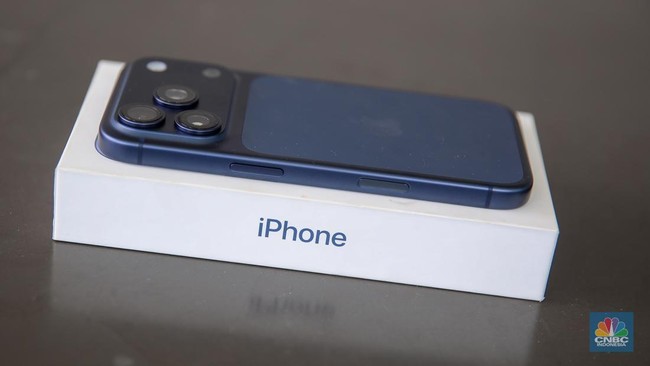
Amidst the global memory chip shortage crisis hitting the smartphone industry, Apple managed to record positive performance in the second quarter (Q2) of 2026. A recent Counterpoint report noted that iPhone market share grew by 3% to 20% year-on-year (YoY), even as the overall global smartphone industry plummeted by 11% YoY.
However, Apple’s stellar performance may not last long. The Cupertino giant projects that sales growth for the quarter ending this September will be slower than Wall Street targets. During a conference call with analysts, Apple CEO Tim Cook emphasised that this projected slowdown is purely due to supply issues rather than a lack of market demand.
Consequently, Apple’s shares corrected and tumbled 5.5% in after-hours trading. “We are seeing very significant supply constraints at the moment, with very limited supply chain flexibility to address them,” said Tim Cook, as quoted by Reuters on Friday (31/7/2026). He also added that Apple is exploring alternative memory chip supplier options.
Simultaneously, Apple CFO Kevan Parekh revealed that company revenue is expected to grow by only 9% to 11% YoY. This figure sits below Wall Street’s expectation of 12%, according to LSEG data. Meanwhile, revenue from the iPhone series is projected to grow in the mid-range, below the consensus target of 17.6%.
Despite the current pessimism, Apple’s fiscal performance for Q3 2026 actually exceeded market estimates. Revenue surged 16.4% YoY to US$109.42 billion (above the consensus of US$105.5 billion). Earnings Per Share (EPS) reached US$2.02 per share (including a US$0.11 tariff refund). Without the refund, Apple’s EPS stood at US$1.89, still beating Wall Street estimates.
iPhone sales hit a record high for Q3 2026, jumping 21.7% to US$54.25 billion. Panic buying by consumers is believed to be the primary driver behind the surge in iPhone and Mac sales, as buyers rushed to purchase Apple products before official rumours of price hikes were implemented at the upcoming iPhone launch event in September. However, these record sales have not sufficiently calmed investors. The market fears that the current sales spike is merely temporary front-loading due to the threat of price increases, which risks triggering a decline in demand in subsequent quarters.
Furthermore, the Services division, Apple’s second-largest revenue driver, underperformed. Services revenue was recorded at US$30.74 billion, failing to meet the market estimate of US$31.22 billion. Analyst Gil Luria from D.A. Davidson viewed this slowdown in the services sector as a warning sign. “Investors are anxious that if Services growth slows while iPhone sales surge by 20%, services performance could face further pressure once iPhone sales return to earth (normalise),” said Luria.
Pressure on the Services business stems primarily from the mobile gaming sector on the App Store. European Union policies requiring Apple to open third-party app stores, combined with the legal defeat against Epic Games (Fortnite) in the US, have successfully eroded the in-app purchase commissions that have long been a source of profit for Apple. Amidst supply crises and regulatory pressures, Apple is now betting on AI integration (Siri) through a collaboration with Google. Tim Cook hinted that these advanced AI features will eventually be monetised through iCloud Plus subscription upgrades to boost company revenue once again.