
Iperindo Calls for Shipbuilding Technology and Safety Improvements
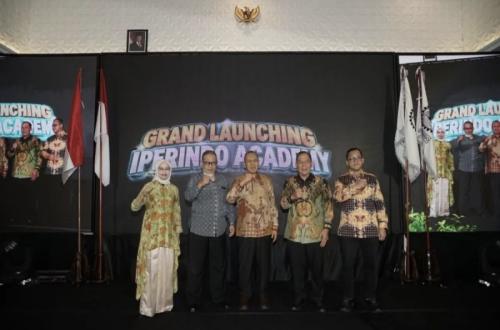
JAKARTA – The adoption of technology and improvements in the quality of the shipbuilding industry are considered crucial to supporting safe navigation in Indonesia. Safety depends not only on ship crews and shipping companies, but must also be addressed from the planning and construction stages through to vessel maintenance.
The issue was discussed at the 2026 National Working Meeting of the Indonesian Shipbuilding and Offshore Industries Association (Iperindo), held alongside a focus group discussion titled “Applying Shipbuilding Industry Technology for Safe, Quality and Reliable Shipping”.
“Maritime safety is not solely the responsibility of shipping companies or ship crews; it must be built in from the planning, design, construction and testing stages through to vessel maintenance and repair,” Iperindo chairwoman Anita Puji Utami said in a written statement in Jakarta on Saturday (28 November 2026).
Anita said vessel quality was directly linked to maritime safety. Developments in shipbuilding technology therefore needed to be followed and aligned with national and international safety standards.
“Likewise, supervision, certification and vessel maintenance, as well as efforts to improve the skills of human resources in the shipping sector, must be carried out in an integrated and continuous manner,” she said.
Data from the Ministry of Transportation show that Indonesia recorded more than 642 ship accidents between 2020 and 2025. These comprised 105 collisions, 234 sinkings, 197 groundings and 106 fires.
Anita, who is also president director of PT Adiluhung Saranasegara Indonesia, said the figures underscored the importance of developing a national shipbuilding industry that also prioritised safety. The industry was expected not only to support production capacity and economic growth, but also to contribute to safe and reliable sea transport.
Iperindo currently has 281 member companies: 148 shipyards, 121 marine-support industry companies, nine consultancy firms and three classification service providers. Its 148 shipyard members can build up to 1,200 new vessels a year and provide repair and maintenance services with a capacity of 36,000 dock spaces.
The industry’s capabilities span new vessel construction, docking, scheduled maintenance, hull and structural repairs, engine overhauls, propulsion and electrical system repairs, pipework, painting, modification and vessel conversion. Marine-support companies supply components, fittings and equipment, while consultancies assist with vessel construction and repair planning, and classification companies ensure vessels meet technical requirements and safety standards.
“Given this potential, Iperindo believes the national shipbuilding industry has a strategic role in strengthening the national fleet and improving the safety of sea transport,” Anita said.
Iperindo is also calling for cooperation among the government, shipyards, shipping companies, classification bodies, financial institutions, insurers and other maritime stakeholders. Such cooperation is considered necessary both to strengthen the industry and to improve maritime safety.
“Strengthening the national shipbuilding industry is not merely an agenda to increase production capacity and economic growth; it is also an integral part of efforts to build a national maritime safety system,” Anita said.
Source: jawawa.id (https://jawawa.id/newsitem/iperindo-calls-for-shipbuilding-technology-and-safety-improvements-1795837887)
Originally published by Republika (https://ekonomi.republika.co.id/berita/tp6zbz416/iperindo-dorong-pengembangan-teknologi-dan-keselamatan-kapal), translated from Indonesian