
IPB University Reveals the Real Dangers of the Middle East War for Indonesian Agriculture
Geopolitical conflict in the Middle East is not only sparking regional tensions but is also beginning to send waves of pressure to Indonesia’s agriculture sector. IPB University warns that national farmers, especially smallholders, are potentially the most affected parties due to rising production costs and disruptions in fertiliser supplies.
In a press conference held on Thursday (2/4), IPB University experts highlighted the fragility of the national agriculture sector’s resilience to global upheavals. One of the biggest vulnerabilities lies in Indonesia’s dependence on imported fertiliser raw materials, which can be disrupted at any time when conflicts occur in major supplier regions.
Professor in Plant Protection (specifically Plant Diseases/Mycology) from IPB University, Suryo Wiyono, explained that raw materials for urea and NPK fertilisers, such as phosphate and potassium, still largely depend on foreign sources. When conflicts intensify in strategic areas, the global supply chain is shaken, and prices can surge sharply.
“Raw materials for fertilisers, especially for urea and NPK such as phosphate and potassium, still largely depend on foreign countries. When conflicts occur in supplier regions, prices can rise significantly,” he stated.
He reminded that in crisis situations, surges in fertiliser raw material prices are not a minor threat. The increase could even reach around 70%, which would ultimately pressure production costs at the farmer level.
“The rise in fertiliser raw material prices could reach around 70%, and this will certainly directly impact farmers’ production costs,” he continued.
This pressure does not stop at fertilisers. The Middle East conflict is also seen as risking disruptions in the distribution of agricultural products and increasing logistics costs. Tensions in global trade routes can slow the flow of goods, while also triggering rises in transportation costs that burden the national food supply chain.
Head of the Centre for Agricultural and Rural Development Studies (PSP3), Ivanovich Agusta, emphasised that this vulnerability is becoming increasingly serious because Indonesia’s agriculture structure is still dominated by small farmers. Based on the 2023 Agricultural Census, the number of farmers in Indonesia reaches around 27.8 million people. Of that number, around 17.35 million are marginal farmers with land holdings under 0.5 hectares.
With limited business scales and capital, this group is considered the most easily hit when fertiliser prices rise and distribution costs swell. Global shocks that may seem distant can, in practice, be immediately felt at the village level.
“This condition makes Indonesian farmers very vulnerable to external upheavals. Rises in fertiliser prices and logistics costs will be very felt by small farmers,” he said.
On the other hand, the conflict’s impact is also projected to spread to rural employment issues. Instability in the Middle East region could drive the return of Indonesian migrant workers, especially from Gulf countries. If this happens in large numbers, economic pressure in villages could become even heavier.
“If migrant workers return to villages, then local-level economic pressure will increase. This needs to be anticipated early by the government,” he stated.
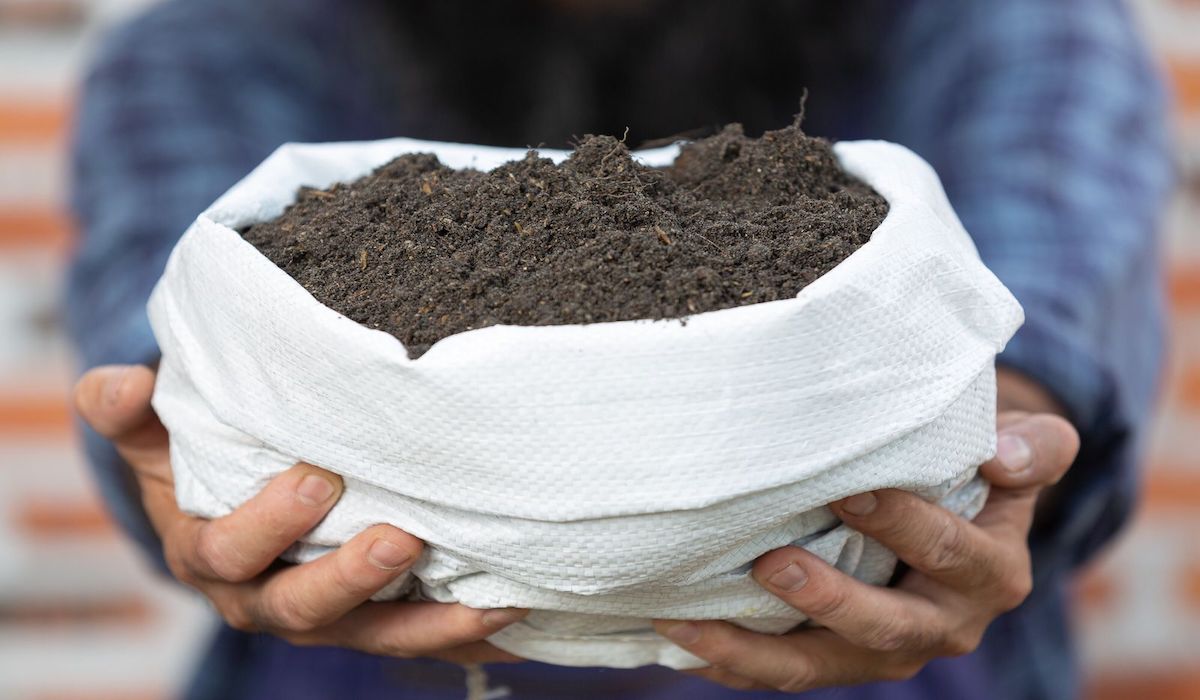
As a precautionary measure, he encourages the implementation of biointensive farming systems. This approach is considered more input-efficient, more efficient, and less dependent on chemical fertilisers. The method has been tested in various regions and shows promising results, both in reducing costs and maintaining productivity.
One farmer present at the press conference also shared his experience after applying this approach. According to him, the use of organic materials was able to significantly cut the need for chemical fertilisers without sacrificing harvest yields.
“We can save up to 70% on chemical fertiliser use by utilising organic materials. Harvest results remain good, even more stable on dry land,” he said.
Not only that, he also emphasised the need to strengthen the role of village governments to withstand crisis impacts from the lowest level. Optimisation of village funds is considered possible to direct towards supporting labour-intensive programs, irrigation development, and provision of agricultural production facilities as short-term buffers.
Source: jawawa.id (https://jawawa.id/newsitem/ipb-university-reveals-the-real-dangers-of-the-middle-east-war-for-indonesian-agriculture-1775130725)
Originally published by Media Indonesia (https://mediaindonesia.com/humaniora/875741/ipb-university-ungkap-bahaya-nyata-perang-timur-tengah-bagi-pertanian-indonesia), translated from Indonesian