
IPB University develops plasma-core business model for maggot cultivation
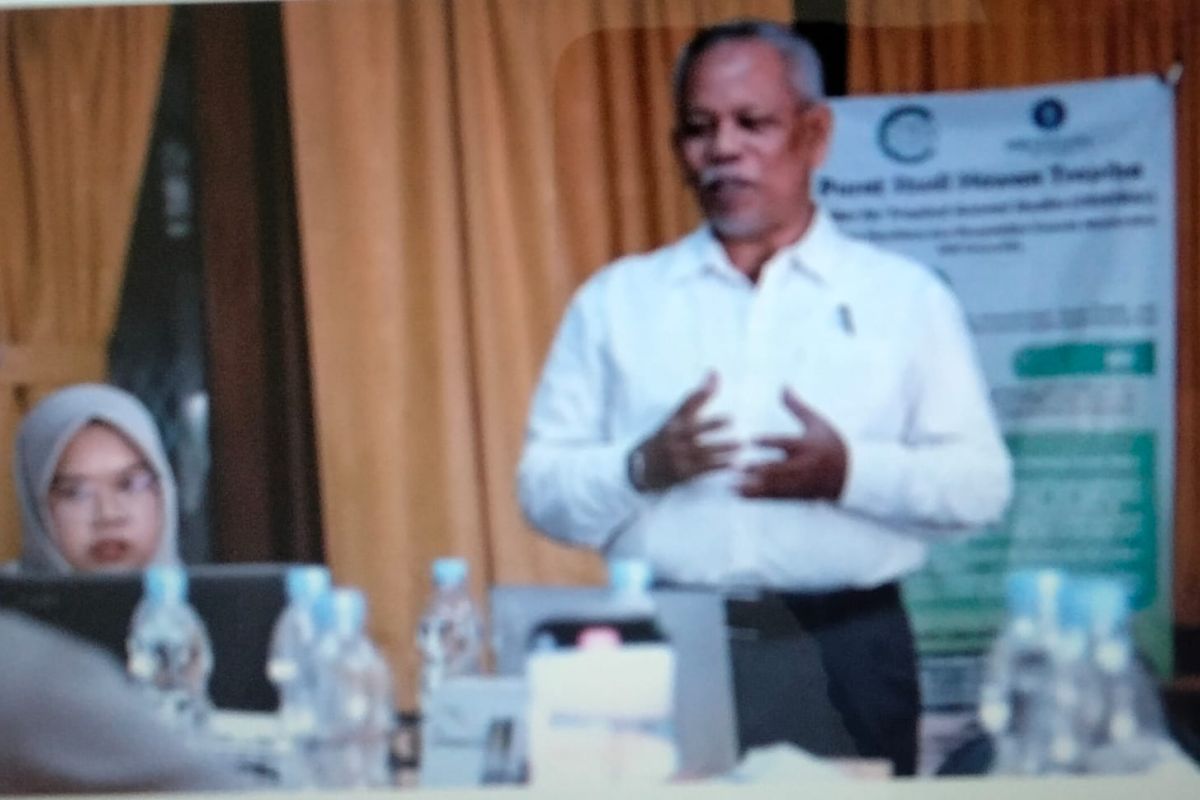
Bogor, West Java (ANTARA) - IPB University, through the Centre for Tropical Animal Studies (Centras) under the International Research Institute for Food, Nutrition, Health, and Halal (LRI PGKH), is developing a maggot business model based on a plasma-core concept. This model extends beyond mere cultivation to include the processing of waste into valuable products.
The Head of Centras, Professor Nahrowi, explained in a statement from IPB University in Bogor, West Java, on Sunday, that the business model was developed using the plasma-core concept within the framework of the Synergy 2026 programme.
Partners acting as ‘plasma’ do not need to undertake the entire cultivation process, from hatching eggs and rearing maggots to producing new eggs. “The plasma partners can focus on the enlargement of the maggots, while other stages are handled by parties with their respective roles,” said Nahrowi.
According to him, the presence of off-takers is a vital component of this model. With parties available to absorb the production output, partners are provided with market certainty.
The Synergy programme is directed towards developing a maggot business model using a circular economy approach, specifically focusing on converting organic waste into something beneficial.
As part of this programme, IPud University has conducted socialisation of the maggot business model, alongside the signing of cooperation agreements and the provision of maggot drying machines.
Nahrowi emphasised that relationships within the plasma-core model also require mutual trust between all parties. The plasma partners must trust the core entity, and vice versa.
One development model involves five plasma partners in different locations, including partners in Jakarta, Bintaro, Tenjolaya, IPB University, and Depok. Each possesses different potential for raw materials and varying management conditions.
Besides the availability of waste, the drying process remains one of the primary challenges. Solar drying requires several days, whereas large-scale drying machines require high investment. Consequently, the provision of drying machines is one of the technological supports provided through this programme.
Through this model, IPB University is encouraging the formation of a maggot ecosystem that sustainably connects organic waste management, production, processing, and the market. “This model is expected to serve as a pilot project that can eventually be expanded more widely,” said Professor Nahrowi.