
IPB Professors Encourage Probolinggo Islamic Boarding Schools to Pioneer Food Security
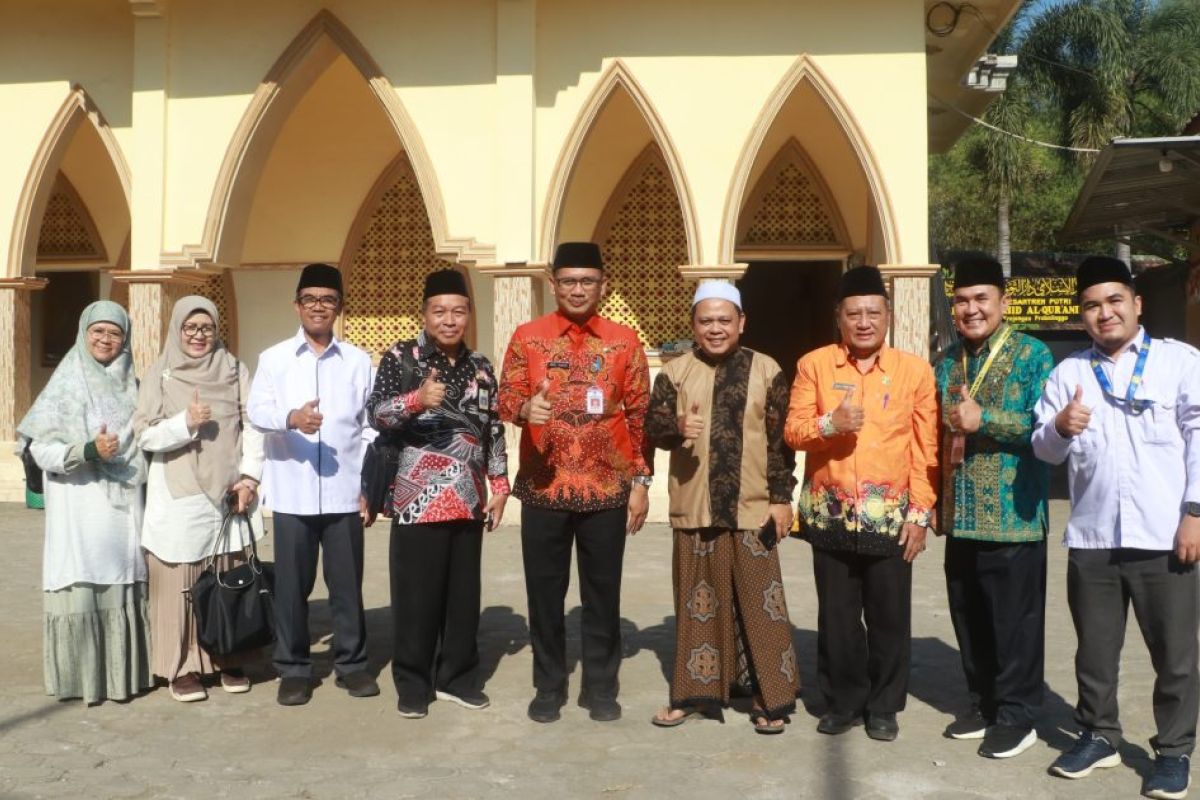
Several professors from the Bogor Agricultural Institute (IPB) are encouraging Islamic boarding schools (pesantren) in Probolinggo Regency, East Java, to take a greater role in building food self-sufficiency and independence. The visit to Pondok Pesantren Darut Tauhid in Krejengan District was part of the ‘Dosen Pulang Kampung’ (Lecturers Return to Hometown) 2026 programme, themed ‘A Model for Food-Independent Pesantren through Nature-Based Agricultural Learning in Probolinggo Regency’.
Prof. Abdul Munif, head of the IPB team, stated that pesantren hold a strategic position to become pioneers of food independence and security. He noted that the pesantren environment has close ties to rural communities and agricultural activities, providing the social capital needed to develop such a movement.
He explained that the education provided goes beyond planting techniques, introducing participants to the importance of food security, self-sufficiency, farmer regeneration, and farming practices that consider soil and plant health. Munif highlighted that IPB views pesantren as a strategic space to introduce agriculture to the younger generation, especially as many young people from farming families are increasingly reluctant to continue their parents’ profession. Through agricultural education, students are expected to understand that the sector is not merely a traditional occupation but a promising profession and economic activity.
Munif also stressed the importance of environmentally friendly agriculture, hoping that pesantren will not only strengthen food security but also instil environmental awareness in the youth. The programme is expected to mark the beginning of a long-term collaboration, with synergy between pesantren, local government, and universities aimed at creating a model for food-independent pesantren, strengthening farmer regeneration, and opening new economic opportunities for students and the community.
Abd. Ghafur, Assistant for Government and People’s Welfare at the Probolinggo Regency Secretariat, welcomed the programme positively. He said the initiative demonstrates the importance of collaboration between government, academics, the community, and the business sector in enhancing community empowerment. He added that the local government plans to strengthen this collaboration through a formal cooperation agreement to ensure that knowledge transfer and agricultural mentoring can take place sustainably.