
IPB Professor Urges Anticipatory Measures Against Forest Fires Ahead of Super El Niño
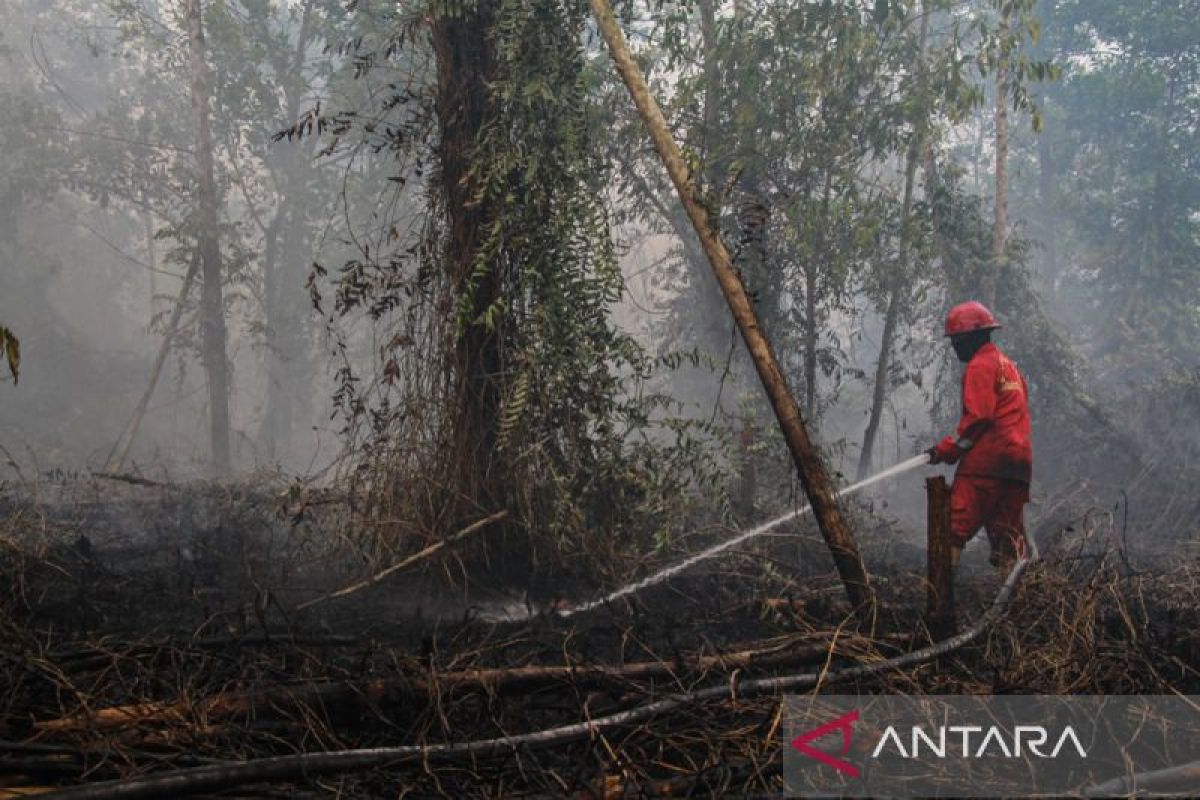
A professor from the Faculty of Forestry and Environment at IPB University, Sudarsono Soedomo, is urging the government to take anticipatory measures to prevent forest and land fires (karhutla) ahead of an increased potential for a Super El Niño in 2026–2027. “The risk of forest and land fires is at a very high level. The dry season will be longer, drier, and hotter, causing the moisture of natural fuels like leaf litter, twigs, and peat to drop to critical levels,” he stated in Jakarta on Tuesday. He explained that while Indonesia now possesses far better monitoring systems, including satellite-based early detection and hotspot monitoring, compared to the 1997 or 2015 El Niño events, technological readiness must be matched by strong field coordination. Soedomo outlined five crucial preventative steps for the government. First, the Ministry of Environment and the Ministry of Forestry, together with local governments, must intensify peatland rewetting programmes and the closure of canals in peatland areas. Second, the government should consider a temporary moratorium on land clearing during the peak of the dry season, particularly in peatland and primary forest areas. Third, all firefighting resources must be deployed early to high-risk regions such as Riau, Jambi, South Sumatra, Central Kalimantan, West Kalimantan, and South Kalimantan. Fourth, law enforcement must be carried out preventively, with patrols and strict action against individuals or companies conducting illegal burning to create a deterrent effect. Fifth, a massive public campaign on the dangers of forest and land fires must be launched. Beyond government action, Soedono stressed the responsibility of forestry and plantation concession holders to raise their alertness before the dry season. Necessary steps include maintaining water management in peatlands, building firebreaks, preparing internal firefighting teams, using drones and hotspot monitoring, and ensuring the fastest possible initial response when a hotspot is detected.