
IPB Expert Reveals the True Cost of Bobibos Straw-Based Petrol Alternative
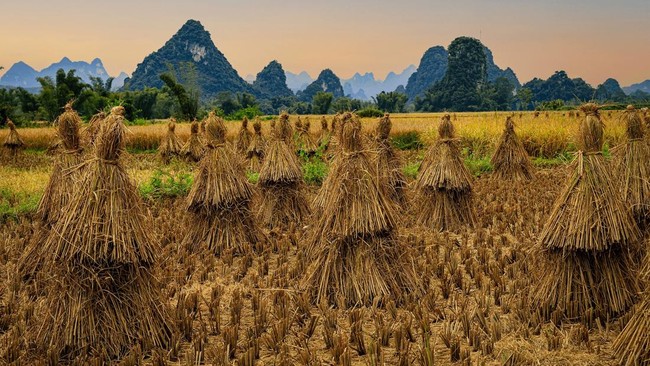
Bobibos has recently been widely discussed by the public as a breakthrough in environmentally friendly fuel. Bobibos, an acronym for Bahan Bakar Original Buatan Indonesia, Bos! (Original Fuel Made in Indonesia, Mate!), is touted as capable of reducing emissions to nearly zero and having a Research Octane Number (RON) close to 98. Bobibos is said to originate from straw, the waste residue from rice harvests that is often burned or left to waste. This fuel was introduced some time ago in Bogor and immediately attracted attention as it is promoted as an environmentally friendly energy innovation based on local resources. In response, Dr Leopold Oscar Nelwan, a lecturer in Mechanical Engineering and Biosystems at IPB University, provided a technical explanation regarding the potential and challenges of utilising straw as an alternative fuel. According to him, information related to this technology issue is still very limited. However, some sources indicate that straw is treated as lignocellulosic biomass in the conversion process. “In this context, it is important to emphasise that what is meant by fuel is hydrocarbons, not ethanol or biodiesel, because only hydrocarbons meet commercial standards if marketed purely for engines,” he wrote in a statement, quoted from the IPB website on Tuesday (28/4/2026). He explained that hydrocarbons consist of carbon and hydrogen divided into several groups such as paraffins, isoparaffins, olefins, and aromatics. According to him, the number of carbons determines the physical properties and use of the fuel, for example, petrol is in the C5-C12 range and diesel in C12-C20. Furthermore, Leopold explained that there are many conversion pathways for lignocellulosic biomass into hydrocarbons, although most are still at the research stage. Some popular pathways he mentioned include thermochemical processes such as gasification followed by Fischer-Tropsch (FT) synthesis, as well as fast pyrolysis that produces bio-oil followed by hydrotreating. In addition, he explained conversion through monosaccharide hydrolysis, either direct sugar to hydrocarbon conversion (DSHC) or via ethanol with an alcohol to hydrocarbon mechanism. “Of all these processes, the one closest to commercialisation is gasification and FT, because the principle has been applied to coal conversion,” he clarified. He then elaborated that many conversion process stages, both thermochemical and through monosaccharide hydrolysis, require special catalysts as well as high-temperature and high-pressure operating conditions. The conversion cost (energy), he said, remains a major challenge. “Some literature mentions that the cost of producing one litre of fuel through the FT process from coal reaches US$0.8-1.6. Even the process cost can be more than four times the price of the coal,” he explained. Nevertheless, he emphasised that the concept of converting biomass waste into fuel is part of second-generation biofuels that support sustainability. However, the technology has not been widely adopted due to high investment and process costs. Leopold assessed that claims of low production costs need to be recalculated, including energy and investment factors. He concluded that this technology has the potential to improve its feasibility or compete if fossil fuel prices rise or are restricted.