
IPB Expert Blames LED Lights for the Disappearance of Fireflies
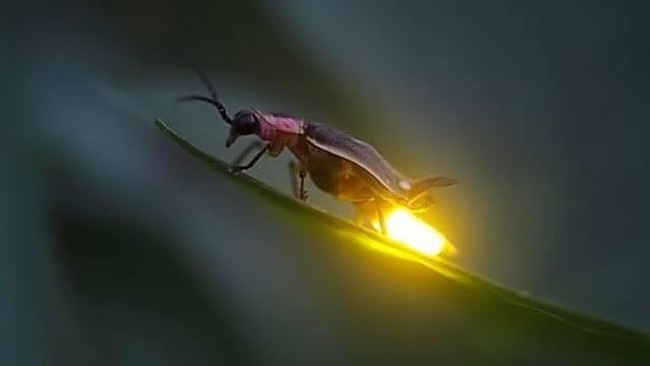
Fireflies are becoming increasingly rare in the wild. This phenomenon, which has also been widely complained about by the public on social media, is closely linked to declining environmental quality.
Kesumawati Hadi, a lecturer and entomology researcher from the School of Veterinary Medicine and Biomedical Sciences (SKHB) at IPB University, stated that fireflies are an indicator of an ecosystem’s health.
“Fireflies are bioindicators, meaning organisms whose presence or absence can reflect the health of an ecosystem. When environmental quality deteriorates, their population will quickly shrink or even disappear,” she explained, quoted from the official IPB University website on Saturday (4/7/2026).
The decline in firefly populations is not only occurring in Indonesia but is also a global phenomenon. According to data from the International Union for Conservation of Nature (IUCN), around 11-20% of the world’s firefly species are currently classified as threatened. Meanwhile, several species living in the mangrove areas of Indonesia, Malaysia, and Thailand have been listed as vulnerable.
Kesumawati explained that the main cause of the shrinking firefly population is habitat destruction. The conversion of green spaces, swamps, and rice fields into residential and industrial areas has reduced the natural habitats of these insects.
Furthermore, light pollution from overly bright LED lamps disrupts the fireflies’ reproductive process. Artificial light makes it difficult for male fireflies to detect the light signals emitted by females, thus interfering with the mating process.
The population decline is also influenced by several other factors, such as the use of chemical insecticides, climate change triggering droughts, the concreting of irrigation channels, and urbanisation that alters the natural landscape.
Nevertheless, fireflies can still be found in areas with relatively well-preserved environmental conditions, such as mangrove areas, swamps, natural riverbanks, traditional rice fields, organic plantations, and the damp floors of tropical forests with minimal light pollution.
If these conditions persist, it is feared that future generations will only be able to recognise fireflies through books, museums, or visual media without ever seeing them directly in their natural habitat.
To help maintain their population, the public can take several simple steps, such as not paving the entire home yard with concrete, reducing the use of overly bright outdoor lights, utilising organic fertilisers, and maintaining the cleanliness of rivers and waterways so they remain supportive habitats for fireflies.