
Investment of Rp498.8 Trillion Absorbs 706,569 Workers, Yet It Is Still Not Enough: Here's Why
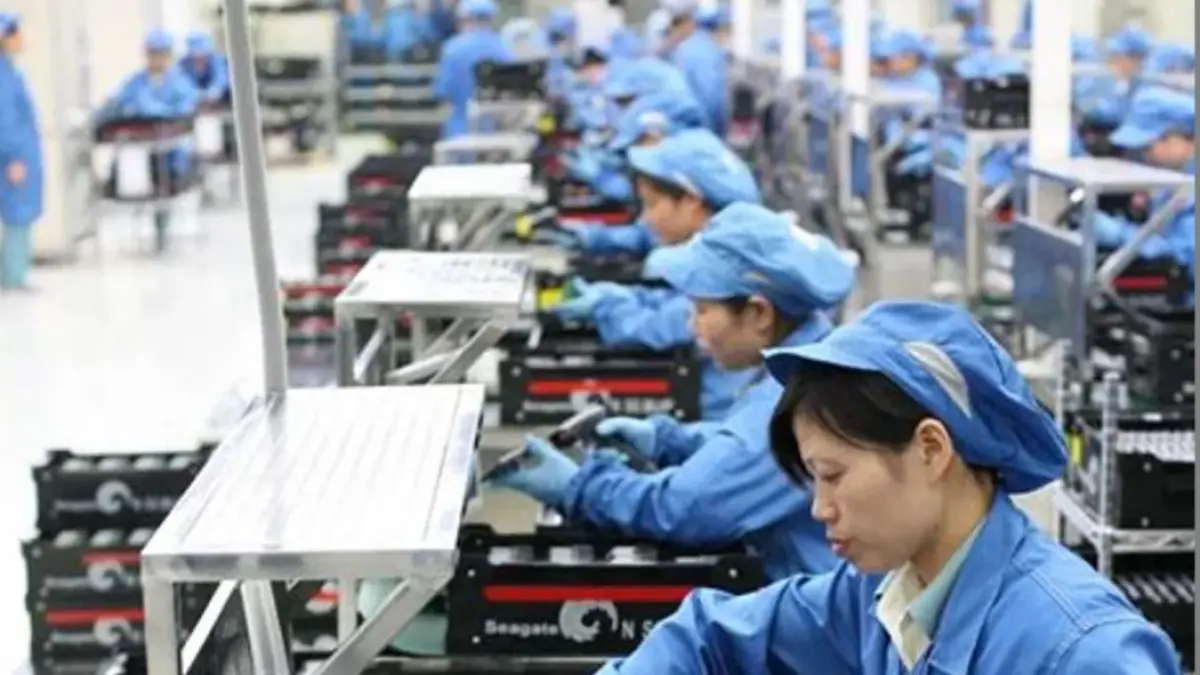
The flow of investment into Indonesia is considered to have not fully addressed the economy’s main challenge, namely creating quality jobs. Although investment realisation continues to increase, the benefits of economic growth are deemed not to have been felt evenly, especially by the middle class who are still facing pressure on their purchasing power. Economist from the Center of Reform on Economics (CORE) Indonesia, Yusuf Rendy Manilet, stated that the government needs to change the orientation of its investment policy so that it does not only focus on the size of incoming capital, but also on generating productive formal employment and improving workforce competence. “Investment incentives should not only pursue large export values or investments, but also encourage the creation of formal jobs with high productivity and technology transfer,” Yusuf said on Tuesday (14/7). According to Yusuf, Indonesia’s economic growth, which remains around 5 percent, has not been fully reflected in the improvement of public welfare. One indicator is the still weak purchasing power of the middle class. He explained that current economic growth is largely supported by capital-intensive sectors, such as commodities, downstream processing, property, and financial services. Although these sectors contribute significantly to the national economy, they are considered not yet optimal in creating a large number of quality jobs. Therefore, the government is encouraged to ensure that every investment has a strong link to domestic labour absorption and technology transfer. In this way, the benefits of investment will not only increase economic output but also public productivity and income. “At the same time, competition policy also needs to be strengthened so that wealth accumulation arises more from innovation and efficiency, rather than from rent-seeking, concessions, or proximity to power,” he said. Meanwhile, the government recorded a positive trend in investment realisation. The Ministry of Investment and Downstreaming/Investment Coordinating Board (BKPM) reported that investment realisation in the first quarter of 2026 reached Rp498.8 trillion, or about 24.4 percent of the annual target of Rp2,041.3 trillion. This investment absorbed 706,569 workers, an increase of 18.9 percent compared to the same period the previous year, which recorded 594,104 workers. Minister of Investment and Downstreaming/Head of BKPM Rosan Roeslani said this achievement shows that Indonesia remains an attractive investment destination despite global geopolitical and geo-economic uncertainties. However, Yusuf reminded that investment success should not only be measured by the amount of incoming capital or the number of workers absorbed. What is more important is the quality of the jobs created, the improvement in public purchasing power, and the ability of investment to strengthen Indonesia’s economic competitiveness in the long term. According to him, the current challenge for the government is not merely to attract as much investment as possible, but to ensure that every investment is capable of generating more inclusive, productive, and sustainable economic growth.