
Investment Minister Ensures Stability of Global Investor Confidence as Geopolitics Intensify
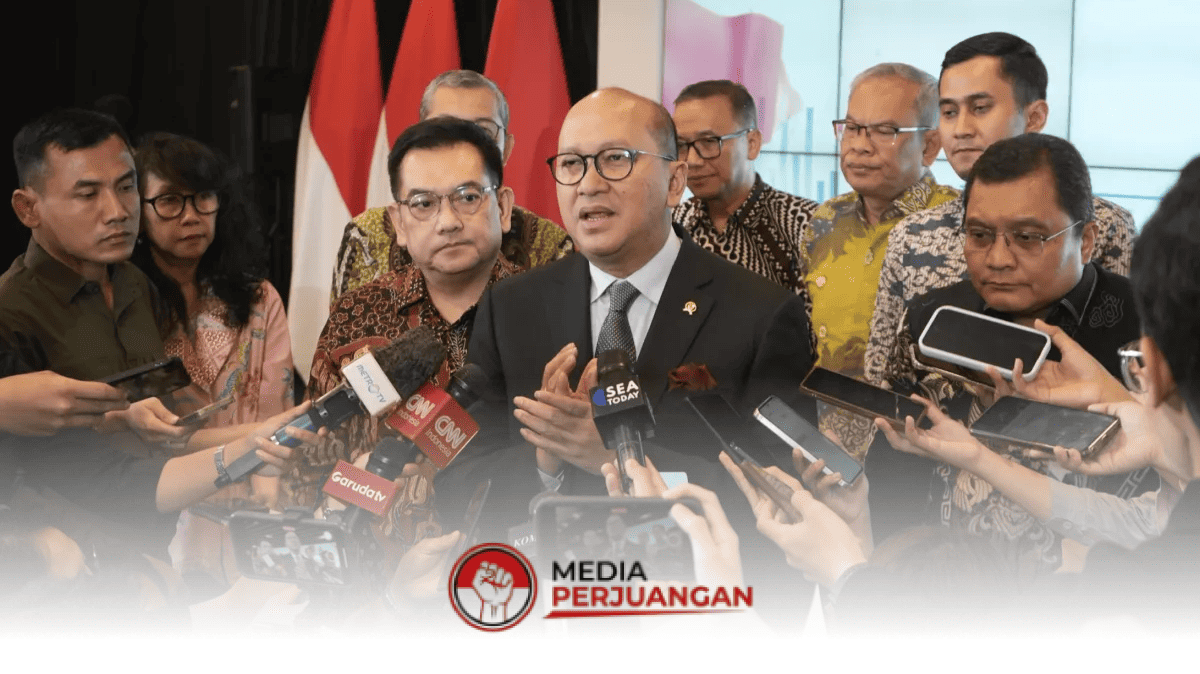
The Investment Minister Rosan Roeslani on Thursday (21 May 2026) affirmed the government’s full commitment to ensuring foreign capital inflows remain secure as international geopolitical uncertainties intensify. This strategic step is taken to dampen the negative impacts of ongoing geopolitical tensions on the domestic economy.
The Ministry of Investment continues to strengthen collaboration with the Indonesian Chamber of Commerce and Industry, or Kadin Indonesia, to screen potential global risks. This cooperation forms the main bulwark in preserving investor interest so that Indonesia’s investment climate in 2026 does not stagnate.
The government believes that close coordination with domestic business players elicits a positive response from international markets. The presence of adaptive protective policies provides investors with high levels of legal and commercial security within the country.
Rosan applauded Kadin’s active role in bridging communications with cross‑border corporations during the turmoil. According to the Ministry of Investment, investment realisation in the first quarter of this year continues to show a growth trajectory in line with expectations.
The manufacturing sector and the downstreaming of mineral commodities remain the main drivers of foreign exchange inflows. This collective confidence also addresses the public question of how Indonesia can face the global crisis without compromising national strategic projects.
The government is optimistic that the investment targets set for this year can be achieved on a regular basis. Ongoing regional monitoring of project realisation has been tightened to ensure there are no operational obstacles for foreign companies.
Fundamental economic conditions remain strong. Domestic market resilience is supported by the international rating agency S&P, which maintained Indonesia’s debt rating at BBB. The Finance Ministry notes that prudent fiscal management is a key factor behind that decision.
Macro‑economic resilience explains why Indonesia’s rating remains stable while other developing countries experience capital flight. Central government budget discipline is deemed capable of dampening rupiah volatility that had been under pressure.
Here is a comparison of investment realisation data from the last three quarters based on official government records: [data excerpts]. ‘Synergy with the entrepreneurs within Kadin has proven crucial in providing legal certainty and operational comfort for foreign investors seeking to expand their presence here,’ said Rosan Roeslani.
Reforms of the Capital Market and Banking Sector. The Indonesian Journalists Association for Capital Market Reform (IRF) notes that regulatory improvements at the stock exchange have underpinned financial stability by increasing issuer transparency and strengthening overall market capitalisation.
Public fund protection in the stock market is reflected in the solid performance of major financial sector issuers early this year. This helps mitigate global concerns about the safety of investing in banking stocks amid currency fluctuations.
The government, together with the Financial Services Authority (OJK), remains committed to continually monitoring public‑company governance compliance. The policy is expected to dispel external negative sentiment and keep Indonesia’s economy competitive in Southeast Asia.
This information is not investment advice. Please consult a financial adviser.
Additional preventive steps include periodic evaluation of stock market liquidity rules to facilitate foreign portfolio inflows. The Ministry of Investment is scheduling follow‑up meetings with international business associations next week to draft additional fiscal incentives.