
Investment Minister Confirms Bali Waste-to-Energy Project Will Not Stall
The track record of waste management projects in Bali, from the era of PT NOEI to the G20 period, including a failed initiative in Kesiman Kertalangu, has caused public concern over the development of the PSEL facility. Previously, the indigenous community of Pesanggaran in South Denpasar rejected the construction of the PSEL in their area due to worries about health and environmental impacts.
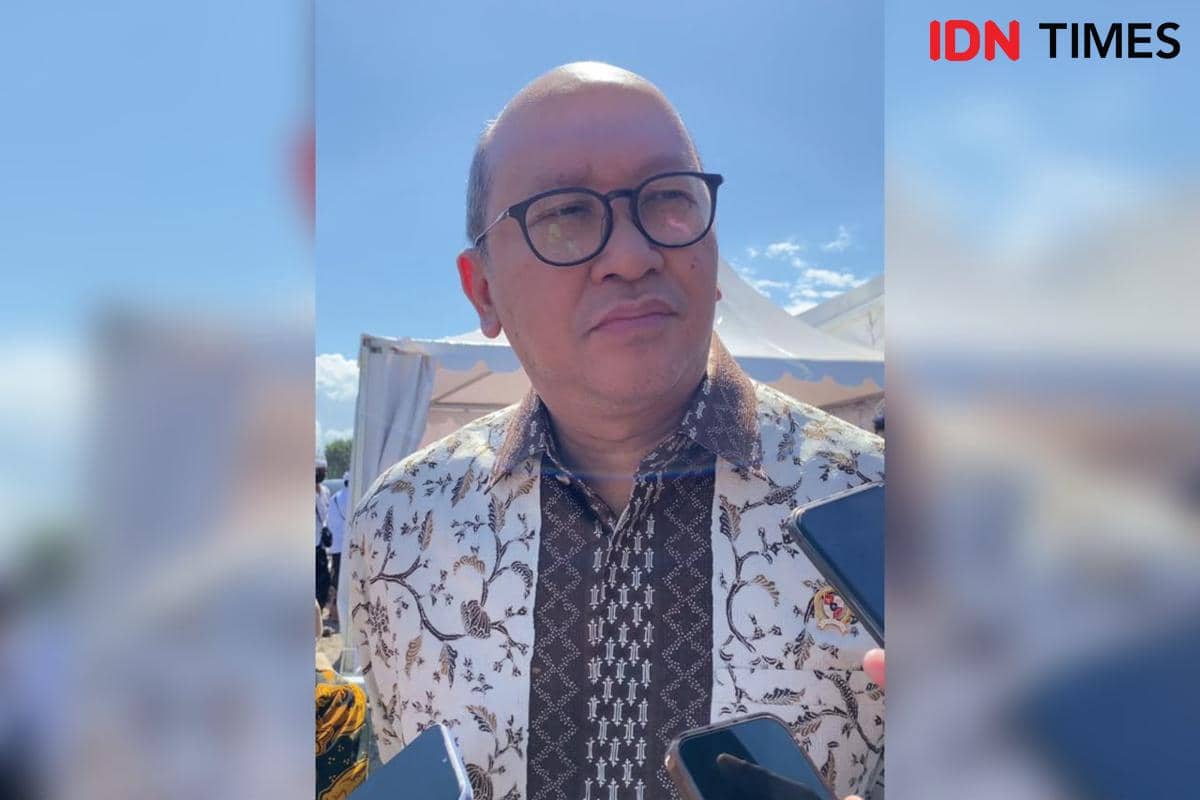
Minister of Investment and Downstreaming Rosan Roeslani expressed optimism that the Waste-to-Energy (PSEL) project will not be abandoned. “The guarantee is that Danantara is the executor, and we never stall,” Rosan stated at the PSEL launch area in Denpasar on Wednesday (8/7/2026).
Rosan noted that the project is being carried out in cooperation with Weiming China to ensure construction proceeds according to plan, both in terms of schedule and operations. “If possible, we can accelerate the construction ahead of the existing targets, so this can provide a good, positive impact for Bali,” he explained. He believes the PSEL will benefit Bali as Indonesia’s main tourism gateway, positively affecting the quality of tourism and the national economy.
He also appreciated the cross-ministerial collaboration involving Indonesian ministries, the Regional Leadership Coordination Forum, and Danantara in executing the project. Rosan hopes the PSEL will be completed by the end of 2027. “This will have an excellent impact, not only on waste management but also on the environment, health, cleanliness, and the handling of landfill fires,” Rosan added.
Coordinating Minister for Food Zulkifli Hasan claimed the project uses incinerator technology with a capacity of 1,500 to 2,000 tonnes per day. “All the results, more than 1,000 tonnes, will leave no residue, producing zero emissions, clean,” Zulkifli said. As the coordinator for PSEL projects in Indonesia, his office has simplified regulations. Zulkifli also stated that his team will receive reports of obstacles from the project executor or the Bali Provincial Government. “Our role is to oversee; if there are obstacles, we will hold a meeting. If it runs smoothly, then please proceed,” he said.
Following the PSEL project in Bali, eight more facilities are planned, part of a total of 24 PSEL facilities to be built and inaugurated, which are claimed will resolve 22 percent of the nation’s waste problem. He stressed that these waste management projects must be implemented immediately as the situation is already critical, citing areas like Bantar and Jatiwaringin.
Bali Governor Wayan Koster described the PSEL as a transformation of waste management into clean electrical energy. “History on this auspicious day, the history of transforming waste management into clean energy electricity, begins from Bali,” Koster said. The two-term governor hopes the PSEL will be completed according to the target by the end of 2027. The primary goal is to resolve the waste problems in Denpasar City and Badung Regency, with a minimum capacity of 1,200 tonnes per day. “What we have faced so far has been complicated, making the faces of the Badung Regent and the Mayor pale because they constantly talk about waste. Hopefully, we now have a good path to solve the waste problem in Bali,” he hoped.