
Investment Growth Fuels Demand for Industrial and Business Parks
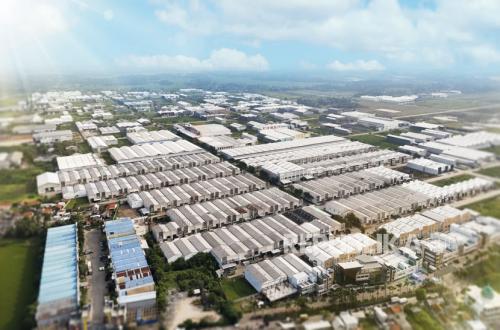
JAKARTA — Indonesia’s investment realisation reached Rp1,010.6 trillion in the first half of 2026, growing by 7.2 per cent compared with the same period a year earlier. The increase is also strengthening demand for industrial and business parks supported by adequate connectivity and infrastructure.
According to data from the Ministry of Investment and Downstreaming/Investment Coordinating Board (BKPM), transport, warehousing and telecommunications, as well as housing, industrial estates and office buildings, were among the sectors underpinning national investment realisation.
As business activity develops, demand for industrial and business parks is not only about the availability of space, but also accessibility, connectivity and flexibility to support companies’ operations.
Integrated park development is one approach to meeting these needs. This was also reflected at the Indonesia Real Estate Awards 2026, held in Jakarta on 25 September 2026.
At the event, organised by SEA CONNECT, Agung Intiland won the Best Industrial & Business Park Developer – Indonesia award. Luxima Bizhub, a warehouse cluster within Laksana Business Park, received the Best Innovative Business Hub Development – Indonesia award.
Farizki Hakim Rosyidi, Agung Intiland’s general manager of business development and technical, said business park development needed to take account of companies’ operational requirements and their long-term growth.
“For us, a good business park is not just about how a property looks or how strategic its location is. Its real value is created when it can help businesses operate more efficiently, connect with supply chains, and have the space and opportunities to continue growing,” Farizki said.
He said park planning needed to integrate infrastructure, connectivity and the use of space so that it could adapt to changing market needs.
In developing Laksana Business Park, links to the toll-road network, airports and ports were among the considerations. These factors are relevant to the movement of goods and people, as well as the smooth running of business activities.
The park is also being planned to accommodate development through a third phase. This is intended to enable it to adapt to changing user requirements and the development of business activity in the future.
Luxima Bizhub, meanwhile, is being developed as a warehouse cluster combining business functions, flexible use of space and connectivity. The approach is intended to meet the needs of businesses requiring operational space that can adapt as they grow.
Farizki said businesses’ needs continued to evolve, so business parks should be designed not only to meet present requirements but also to remain relevant over the long term.
“Businesses need more than just space. They need a place that can keep pace with how they operate, offer flexibility as they grow, and retain its value over the long term,” he said.
The development of industrial and business parks is one consideration as national investment grows. The availability of parks with supporting infrastructure and accessibility can factor into businesses’ decisions on where to locate operations and expand.