
Invasive non-native fish threaten Indonesia's aquatic ecosystems
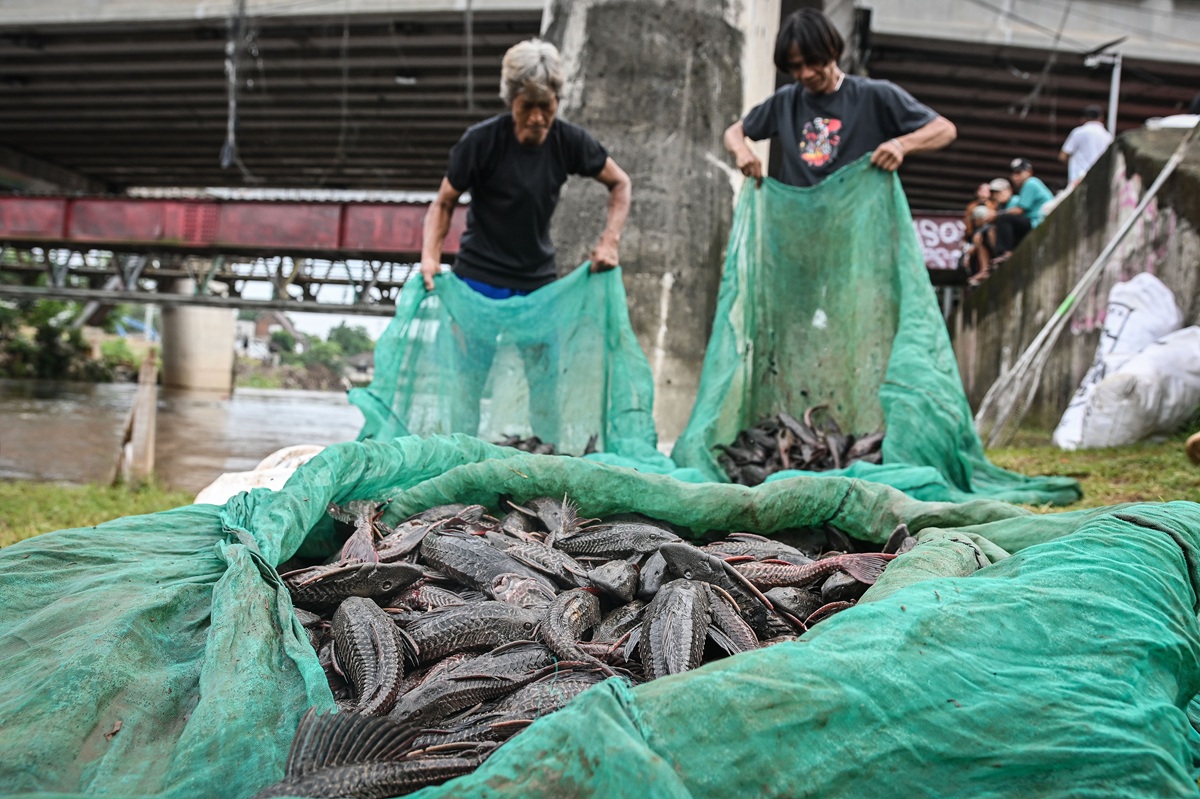
The presence of invasive alien fish species in Indonesia is increasingly worrying as they have the potential to damage the balance of aquatic ecosystems and threaten biodiversity. Researchers and academics warn of the need to strengthen regulation, supervision, and public education to curb the spread of invasive fish in public waters.
Donan, a lecturer at the Biology Faculty of Universitas Gadjah Mada (UGM), said that invasive alien species are non-native organisms entering new ecosystems and proliferating to the point of threatening native species. ‘They are called alien because they originate from outside their native habitat, and they are called invasive because they can rapidly proliferate, dominate, and disrupt the new ecosystem they inhabit,’ he said on Friday (22 May).
According to the Intergovernmental Platform on Biodiversity and Ecosystem Services (IPBES), more than 37,000 alien species have been introduced by humans to newly colonised areas worldwide. More than 3,500 of them are classified as invasive alien species that pose high risk.
Meanwhile, results from research and mapping by BRIN show around 247 species of alien fish in Indonesia, with around 50 found in public waters. Of these, around 20 species have been classified as invasive with high dissemination potential.
Some commonly found species include the suckermouth catfish (Pterygoplichthys sp.), red devil fish, the cere (Gambusia affinis), Nile tilapia, arapaima, and alligator gar.
Donan explained that the introduction of invasive alien species is largely driven by human activity, especially via the ornamental fish trade and consumption fish farming. Many fish are released into public waters when owners can no longer care for them or are carried away by floods from breeding ponds.
In addition, introductions of alien fish occurred through ceremonial releases or biological control programmes during colonial times. One example is the introduction of the cere to control malaria mosquito larvae.
UGM Biology researchers assess that invasive species are dangerous because they can alter food chains and trigger competition for resources with local species. For example, the suckermouth catfish can damage the habitat of native fish by eating aquatic plants and algae, and can create holes at the bottom of water bodies.
Meanwhile, Nile tilapia is considered capable of triggering eutrophication or algal blooms due to increased nitrogen and phosphorus from the excretion of the fish. This condition could increase mortality of other fish in the same habitat.
Akbar Reza, a lecturer at UGM’s Biology Faculty, said one reason invasive fish are hard to eradicate is their high adaptability. ‘Some invasive species like the suckermouth catfish are very tolerant of heavy metals, enabling wide distribution. Moreover, there are no predators able to control their populations,’ he said.
Luthfi Nurhidayat, another UGM Biology lecturer, noted the rapid reproduction of invasive fish. ‘When invasive fish enter open waters in Indonesia where competition is not very harsh, their population growth becomes uncontrollable,’ he said.
Luthfi added that many people still do not understand the ecological impacts of releasing invasive fish into the wild. Releasing fish for consumption or ceremonial purposes remains common without considering long-term ecological impacts.
For management, researchers call for an integrated approach through strengthened regulation, research, field control, and public education. Interagency coordination, including BRIN, universities, the Fisheries and Maritime Service, and the Quarantine Agency, should be strengthened.
Field control can be achieved through intensified catching, isolation of water bodies, drying, and ecological restoration of native species. Exploiting the economic use of invasive fish is also seen as a strategy to encourage community participation in controlling invasive fish populations. (Z-2)