
Interpreting the Phrase “Take Care on the Road” Amid Jakarta’s Bustle
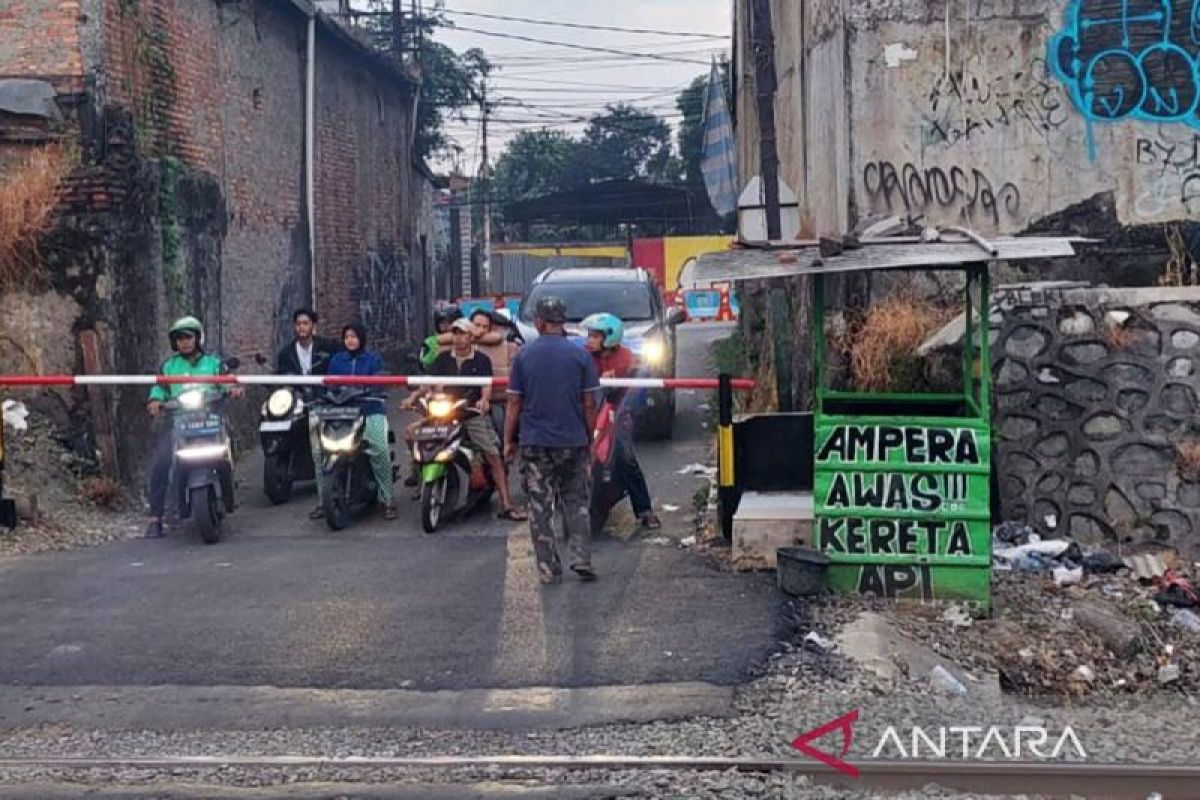
In the midst of the busy residents seeking a bite to eat in the capital, the phrase “hati-hati di jalan” always accompanies their steps when leaving home. It is not mere small talk; that utterance contains hopes from loved ones that they will always arrive safely at their destination and return home in good condition. The meaning of that sentence now feels even more profound after the train accident tragedy some time ago in East Bekasi. That incident also seems to reaffirm that safety at level crossings, especially unofficial or illegal ones, remains a weak point in the transportation system. This condition places the central and local governments in a crucial position. The regulation of illegal crossings can no longer be delayed or done half-heartedly, as stated by transportation observer Djoko Setjowarno. According to him, firm steps are needed to improve transportation safety and reduce accident rates. According to Djoko, the separation of operational tracks must be a priority. Because, he said, KRL and intercity trains have fundamentally different characteristics. In line with that, of course, the completion of the Jakarta–Cikarang double-double track project is not only important for increasing capacity but also safety. In the medium term, this concept needs to be expanded along with the development of KRL services to further areas. No less important is accelerating the elimination of level crossings in dense corridors. With high train frequencies, the closure time of crossings will be longer and potentially cause vehicle queues. In conditions of low road user discipline, the risk of violations and accidents will continue to increase if level crossings are not handled seriously. Therefore, the construction of non-level crossings such as underpasses and overpasses needs to be prioritised based on risk. According to Djoko, spatial planning along the railway lines must be strengthened. Uncontrolled community activities, unofficial access, and weak enforcement of spatial planning can become serious sources of disruption to train operations.