
Interpreting Independence: Tracing the Role of Muslims in Indonesia's Independence
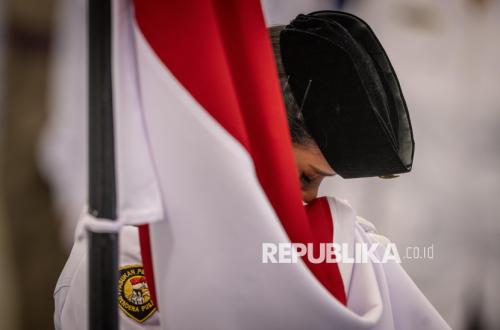
Still fresh in our memory, precisely on 17 August 1945, which fell on Friday, 9 Ramadan 1364 Hijriah, the independence of the Indonesian nation was proclaimed. On 17 August 2026, Indonesia will celebrate its 81st year of independence.
This is a great achievement born of the long sacrifices of our predecessors. The Proclamation became a turning point for the Indonesian nation in determining the direction of its future journey and development.
The independence that has been achieved must not be interpreted merely ceremonially, but demands that we reread history in its entirety so that today’s generation understands who laid the foundations of the Republic of Indonesia. A nation that forgets the history of its struggle will lose its direction in safeguarding the future.
Soekarno, during the Heroes’ Day commemoration on 10 November 1961, once said, “A great nation is a nation that honours the services of its heroes.” Therefore, the role of Muslims must not be forgotten in the history of Indonesia’s independence struggle.
We know figures such as Diponegoro, Tjokroaminoto, Agus Salim, Natsir, Hamka, Cut Nyak Dien, Rasuna Said, and many more. They are all part of the Islamic figures who made great sacrifices in fighting for the dignity and honour of their nation.
Islam and the Consciousness of Resistance Against Colonialism
Long before Indonesia was established as a state, the archipelago had become a space of encounter between Islam, power, and the struggle against colonialism. The development of Islam not only shaped the religious life of society but also brought values of justice, brotherhood, and rejection of oppression.
Therefore, when colonialism took control of various regions of the archipelago, Islam in many places became one of the moral sources that provided the courage to defend religion, land, and sovereignty.
Although in the 19th century resistance to colonialism was still dominated by regional struggles, resistance movements against the colonisers had been raised in several regions. In West Sumatra, Tuanku Imam Bonjol led the Padri War; in Java, Prince Diponegoro led the Java War; in South Kalimantan, Prince Antasari ignited the Banjar War; while in Aceh, ulama such as Tengku Chik di Tiro and fighters such as Cut Nyak Dhien defended Aceh from Dutch expansion.
They had not yet fought for Indonesia as a nation-state in the modern sense. However, these struggles demonstrated the strength of Muslim society’s resistance to colonialism. Islam became one of the sources of legitimacy, solidarity, and fighting spirit, although each war also had different political, economic, social, and sovereignty defence factors.
At the beginning of the 20th century, Muslims in the archipelago became increasingly connected with the wider Islamic world. Mecca and Medina became centres of exchange of knowledge and ideas for Muslim students from various regions. Through networks of ulama, the hajj pilgrimage, education, and intellectual relations with the Middle East, Muslims in the archipelago interacted with ideas of Islamic reform and Pan-Islamism. These ideas provided a new horizon regarding the importance of Muslim unity, intellectual awakening, and liberation from imperialist domination.
Source: jawawa.id (https://jawawa.id/newsitem/interpreting-independence-tracing-the-role-of-muslims-in-indonesias-independence-1786859502)
Originally published by Republika (https://analisis.republika.co.id/berita/tjujfz430/maknai-kemerdekaan-menapaki-peran-umat-islam-dalam-kemerdekaan-indonesia), translated from Indonesian