
Internships That Find Direction
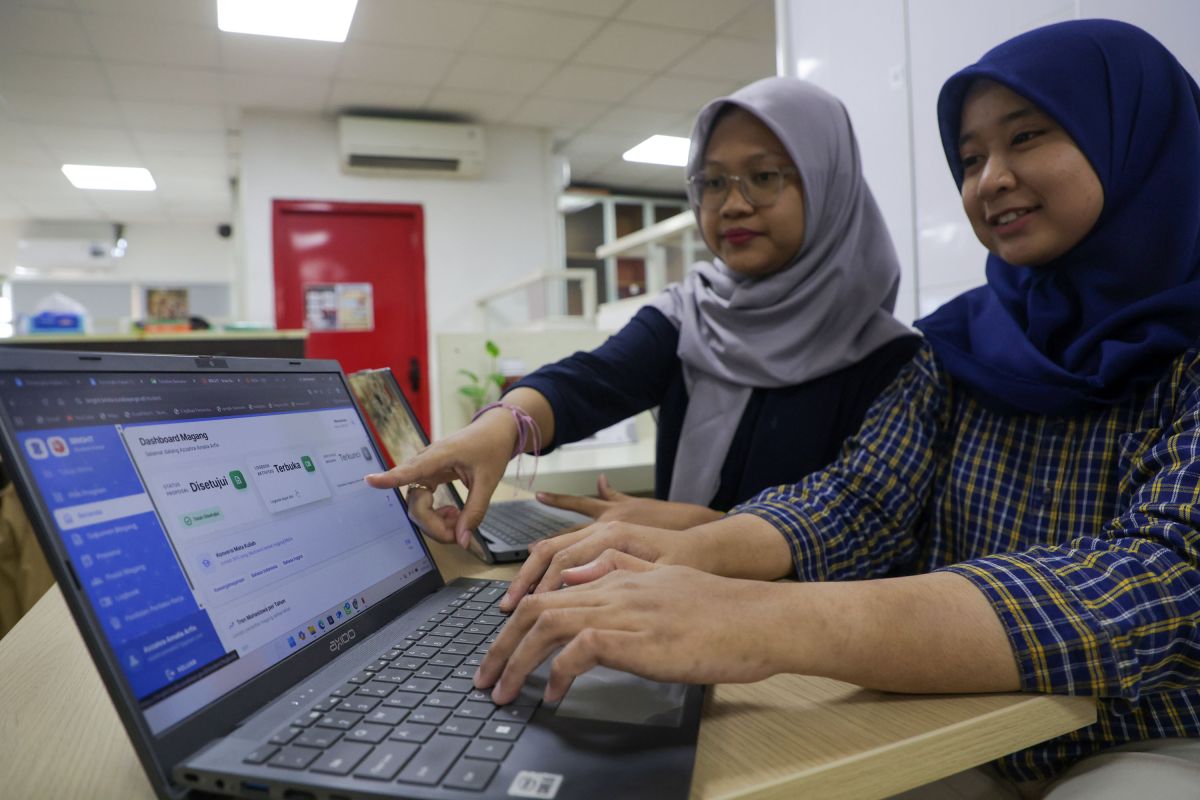
The measure of success for an internship programme is not how many students are accepted, but how much meaningful experience they carry back to campus and into the world of work.
Surabaya (ANTARA) - Every year, thousands of students enter internship periods hoping to gain experience that can bridge university life with the workplace.
However, those hopes do not always meet reality. Not a few students end up interning at organisations unrelated to their field of study. Others spend most of their time on administrative tasks with little learning value.
On the other hand, host organisations often receive interns whose competencies do not match their needs, making the mentoring process less than optimal.
These problems have long been regarded as an ordinary consequence of organising internships. Yet the mismatch between students’ competencies and the needs of host organisations carries a greater impact than merely a suboptimal learning experience.
Mismatch makes human resource development inefficient, while the world of work increasingly needs graduates prepared to face technological change, digitalisation, and global competition.
Amid these challenges, the Surabaya City Government, through its Regional Research and Innovation Agency (BRIDA), has introduced the BRIGHT platform, or Brida Research, Internship Growth and Holistic Training.
The web-based platform is designed as a matchmaking system that brings together the needs of regional agencies and student competencies in a more measurable way.
Through the system, students can see available internship positions along with details of their duties, while regional agencies can set participant criteria according to the requirements of the work.
The arrival of BRIGHT is worth noting not merely because it offers a new application. More important is the shift in mindset: internships are no longer just about fulfilling academic obligations, but are part of developing the region’s talent ecosystem.