
Internet Village Programme Boosts Tourism Potential in Jeruk Manis Village, Lombok
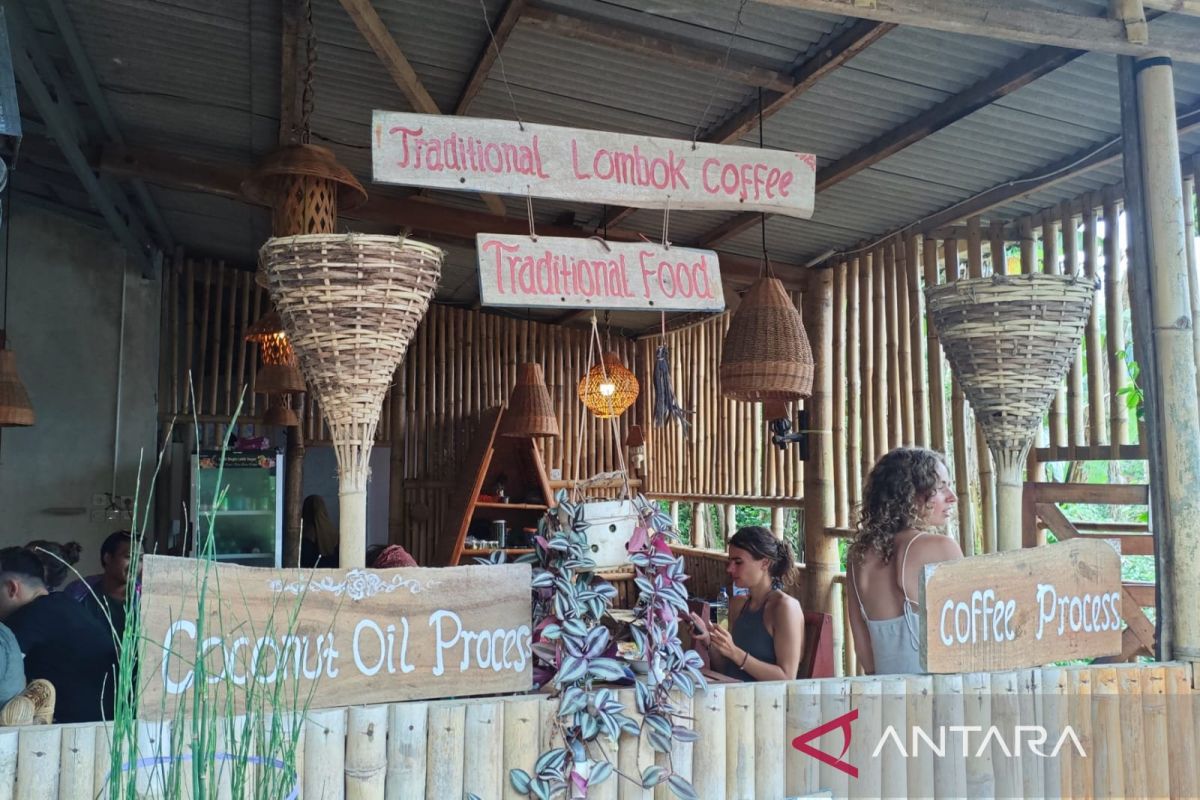
Jeruk Manis Village in East Lombok Regency, West Nusa Tenggara, possesses substantial natural tourism potential. Situated at the foot of Mount Rinjani, the village, home to 2,500 residents, offers various appealing natural attractions, including Jeruk Manis Waterfall, Tibu Bunter Waterfall, and Durian Indah Waterfall, terraced rice fields, the Monkey Forest area, and a pristine rural atmosphere. These diverse assets serve as draws for tourists seeking to enjoy nature alongside the traditional village lifestyle. However, this vast potential was once hampered by unstable internet access. Limited network coverage made tourism promotion challenging, and the area received little attention from visitors. Eight months ago, Jeruk Manis Village received internet network assistance through the Internet Village Programme from the Ministry of Communication and Digital (Kemkomdigi). The programme aims to promote equitable connectivity networks all the way to remote villages. The initiative has proven effective in spurring tourism growth, transforming the area from one struggling with stable internet access into a increasingly recognised destination for both domestic and international tourists. The village head of Jeruk Manis, Nasipudin, stated that the presence of internet access has brought significant changes to the community. He clearly recalls that before receiving support from the Internet Village Programme, the village even faced limitations in telephone networks, causing residents’ activities and village government services to run suboptimally. “In the past, let alone internet access, we still struggled with telephone networks here. But with this programme (Internet Village), our community and the village government can carry out activities more optimally,” said Nasipudin. The same challenges were felt in the village’s tourism sector. Before obtaining stable internet networks, tourists who visited typically only stopped briefly to see the attractions, while the economic impact was more felt in neighbouring villages that provided many accommodation services. After the Internet Village Programme was implemented, around 70 internet access points are distributed across four hamlets in the village. The service is utilised by the community, micro, small, and medium enterprises (MSMEs), and homestay managers. Internet access has become an essential facility for tourists, especially international guests who visit while working remotely. Therefore, homestays need to provide adequate internet networks to be attractive and provide comfort to visitors.