
Internet Becoming More Affordable Thanks to Telkom Consolidation, Here is Why
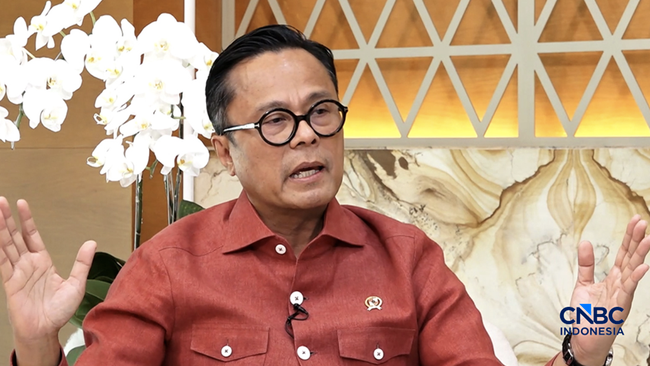
Jakarta, CNBC Indonesia - The CEO of BPI Danantara, Dony Oskaria, has revealed the reasons behind the increasingly affordable IndiHome service tariffs. This is inseparable from the consolidation process undertaken by PT Telkom Indonesia (Persero) Tbk, which merged the fixed internet service with Telkomsel.
IndiHome officially joined the Telkomsel ecosystem in 2023. Previously, the fixed broadband service was directly under the auspices of Telkom; this merger was implemented as a strategic step in the implementation of Fixed Mobile Convergence (FMC).
Following this integration, all IndiHome services are now embedded within the Telkomsel ecosystem, ranging from the provision of various packages to ease of customer access through the MyTelkomsel application.
Dony explained that when IndiHome was still managed entirely by Telkom, the process of building fibre optic infrastructure involved an excessively long chain of bureaucracy and entities, starting from Telkom Infra to Telkom Akses.
Citing explanations from Telkom’s internal parties, the old scheme caused operational costs to swell by more than 150% compared to competitors. This was because four different companies were involved in the work process, with each entity taking its own profit margin.
“According to my colleagues at Telkom, it was 150% more expensive than competitors because it involved four companies, each taking its own margin,” Dony said in an interview with CNBC Indonesia TV on Friday (4/9/2026).
This inefficiency is what is being aggressively cut through corporate action and consolidation. “What we are eliminating totals Rp 30 trillion within our ecosystem,” he added.
In a separate opportunity, the President Director of Telkom, Dian Siswarini, also stated that one of the company’s main focuses at present is streamlining. The number of subsidiaries, which was previously very large, is now being reduced in a structured manner.
Moving forward, Telkom will only maintain subsidiaries that are truly aligned with the company’s core strength, so that the allocation of capital expenditure (Capex) and operational expenditure (Opex) can be managed much more efficiently and effectively.
“So that the focus of our business can be directed to areas that truly matter for Telkom, to areas that are indeed Telkom’s core strength,” said Dian.