
International Tea Day: State-Owned Enterprises Minister Reveals Indonesia–China Cultural Exchange
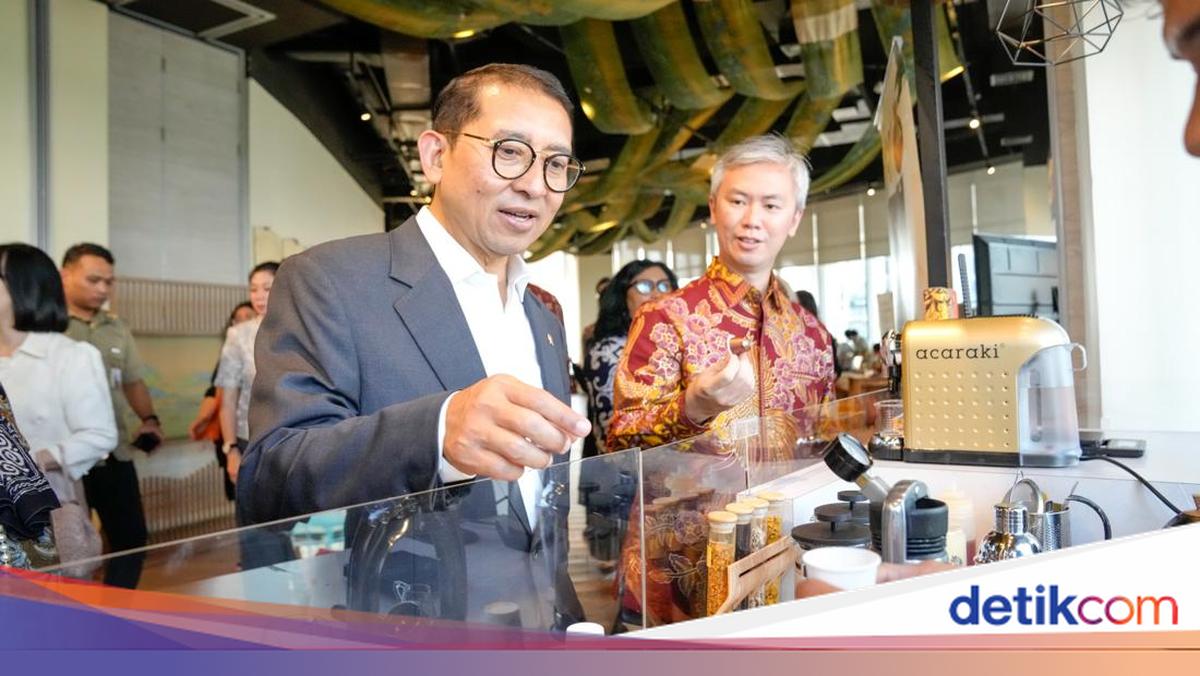
The event showcased various cultural performances and intangible cultural heritage experiences. The programme included demonstrations of Chinese tea arts, cultural performances, exhibitions of Indonesian and Chinese teas, and robotic performances that blended technology with culture. The event, held at Discovery SCBD Hotel, Jakarta, became a space for cultural diplomacy, bringing together tradition, art, and the spirit of friendship between nations through the culture of tea. In his address, Fadli expressed appreciation to the Embassy of the People’s Republic of China for organising the event. He noted that the event could strengthen cultural exchange and tighten the ties between the peoples of both countries. He added that tea originating from China has evolved into a universal cultural language that transcends borders, generations, and backgrounds. The motto ‘Tea for Harmony’ serves as a reminder that diversity should be seen as a strength to bring humanity closer together. ‘Tea, simple yet meaningful, can be a bridge between civilizations. Culture has the power to build peace, strengthen international cooperation, and create spaces for dialogue that are mutually respectful,’ said the Minister for State-Owned Enterprises, Fadli, in a written statement on Thursday (21 May 2026). He also praised China for listing Traditional Chinese Tea Processing Techniques and Associated Social Practices on UNESCO’s Representative List of the Intangible Cultural Heritage of Humanity in 2022. He described this as a commitment to safeguarding living cultural heritage. Furthermore, Fadli emphasised that Indonesia also possesses a rich tea tradition as part of Nusantara’s long history as one of the world’s important tea-producing regions. He argued that Indonesian tea culture continues to evolve, from traditional practices across regions to a tea-drinking culture that is increasingly resonant with younger generations. Fadli also highlighted Indonesia’s position as a megadiverse country in the field of culture. Indonesia currently has 16 intangible cultural heritages inscribed by UNESCO, including wayang, batik, jamu, angklung, and the Saman dance. He explained that Indonesia–China cultural relations have spanned centuries through trade, migration, and cultural exchange, shaping arts and traditions in Indonesia. The influence can be seen in coastal batik motifs, the development of wayang kulit puppetry, and artistic similarities between Beijing Opera and traditional Indonesian performances. Additionally, Indonesian jamu culture is seen to intersect with tea and traditional Chinese medicine traditions, both rooted in herbal knowledge, preventive health, and community-based practices. ‘These examples demonstrate that culture grows through dialogue, adaptation, and mutual respect. Indonesia welcomes closer cultural cooperation with China through collaborations in the arts, preservation of cultural heritage, museums, creative industries, education, and youth exchanges,’ he asserted. Meanwhile, the Ambassador of the People’s Republic of China to Indonesia, Wang Lutong, said that tea has long been a medium of civilisation and a messenger of peace across nations. He argued that tea culture embodies the philosophy of balance between humans and nature, and reflects inclusivity and the togetherness of nations. ‘In a tea ceremony, everyone enjoys the same tea and is served with utmost respect. Tea teaches harmony, sharing benefits, and strengthening connections among nations,’ Wang Lutong said. Meanwhile, the Chairperson of the Indonesian Upper House (DPD), Sultan Bachtiar Najamudin said that tea culture carries meanings of friendship and underscores the importance of dialogue amid current global dynamics. He maintained that international relations must be built on cooperation grounded in mutual trust and respect. ‘Friendship does not imply uniformity; it is harmony within diversity. From there, the beauty of tea emerges as an instrument of cultural diplomacy that deepens ties between nations,’ he said. Concluding his remarks, Fadli affirmed Indonesia’s commitment to preserving living cultural heritage while strengthening international cultural cooperation as part of sustainable development and dialogue between civilizations. ‘May the friendship between Indonesia and China continue to grow for peace, prosperity, and closer cultural cooperation,’ he concluded. Participants included the Minister of Transmigration, RI M. Iftitah Sulaiman Suryanagara, and ambassadors of allied countries. Also present were the Minister of Culture’s accompanying officials, the Director-General of Diplomacy, Promotion, and Cultural Cooperation Endah T.D. Retnoastuti. (prf/ega)