
International Research Team Collects Mangrove Biophysical Data in Jembrana, Bali
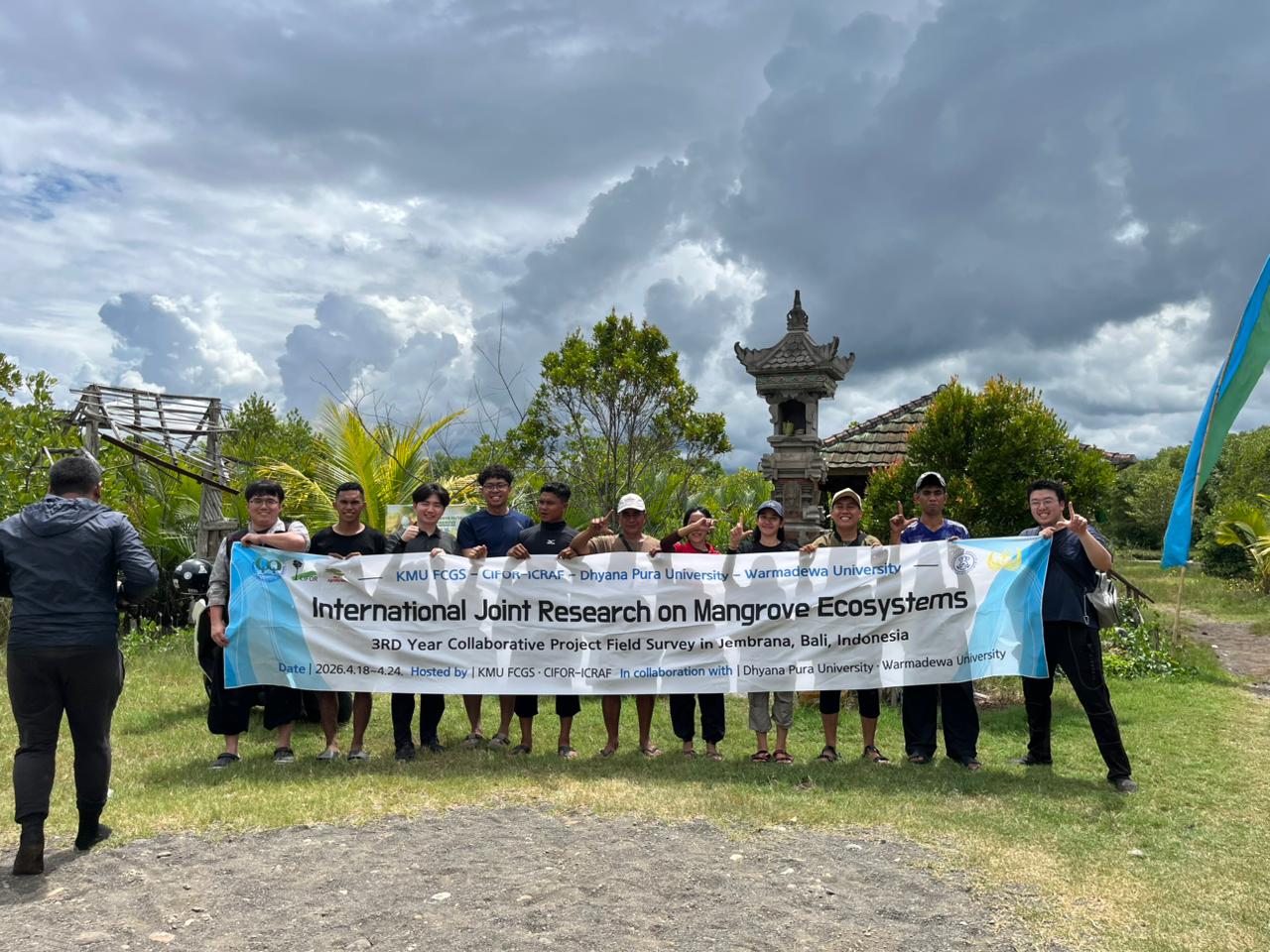
An international research team is collecting biophysical data on mangroves in Budeng, Jembrana Regency, Bali. The International Joint Research on Mangrove Ecosystems project serves as the overarching framework for scientists from Kookmin University (South Korea) to collaborate with the Center for International Forestry Research and World Agroforestry (CIFOR-ICRAF), bolstered by academics from Warmadewa University and Dhyana Pura University.
The team’s primary focus is on gathering precise biophysical data, rather than mere formal ceremonies. The researchers are conducting in-depth sampling of vegetation and sediments under the intense coastal sun of Jembrana. This sediment sampling step is crucial because the soil beneath mangrove stands can store blue carbon far greater than that in tropical forests on land.
As explained by I Putu Sugiana, a lecturer in Aquatic Resource Management at Warmadewa University who is directly involved in the research, the sediment analysis will reveal the ecological functions of the area.
“Analysis of the sediment samples allows us to understand the characteristics of carbon storage and the existing vegetation structure. This data is key to assessing the real role of the Budeng area in mitigating climate change,” Sugiana stated during the field activities on Tuesday (21/4).
INVOLVING STUDENTS
This research also involves students, who form a crucial part of the knowledge transfer process. They are learning data collection techniques while understanding that every centimetre of mangrove mud layers contains information about environmental history and the coastal area’s ability to adapt to sea level rise.
This collaborative research reflects tangible scientific diplomacy, going beyond mere technical data collection. Climate issues do not recognise national borders, so damage to mangroves at one coastal point will impact regional resilience globally.
The partnership between South Korean institutions and local ones in Bali demonstrates that environmental salvation requires international scientific standards combined with local contextual understanding. The research results are expected not only to end up on laboratory tables or in scientific journals but to serve as a data foundation for policymakers in mapping more effective mangrove conservation areas.
Mangrove ecosystems are more than just green belts protecting coasts from abrasion threats. Their dense prop roots and the mud expanse beneath store a giant natural archive that determines the fate of the global climate.