
International pressure to de-escalate the Israel–US–Iran conflict
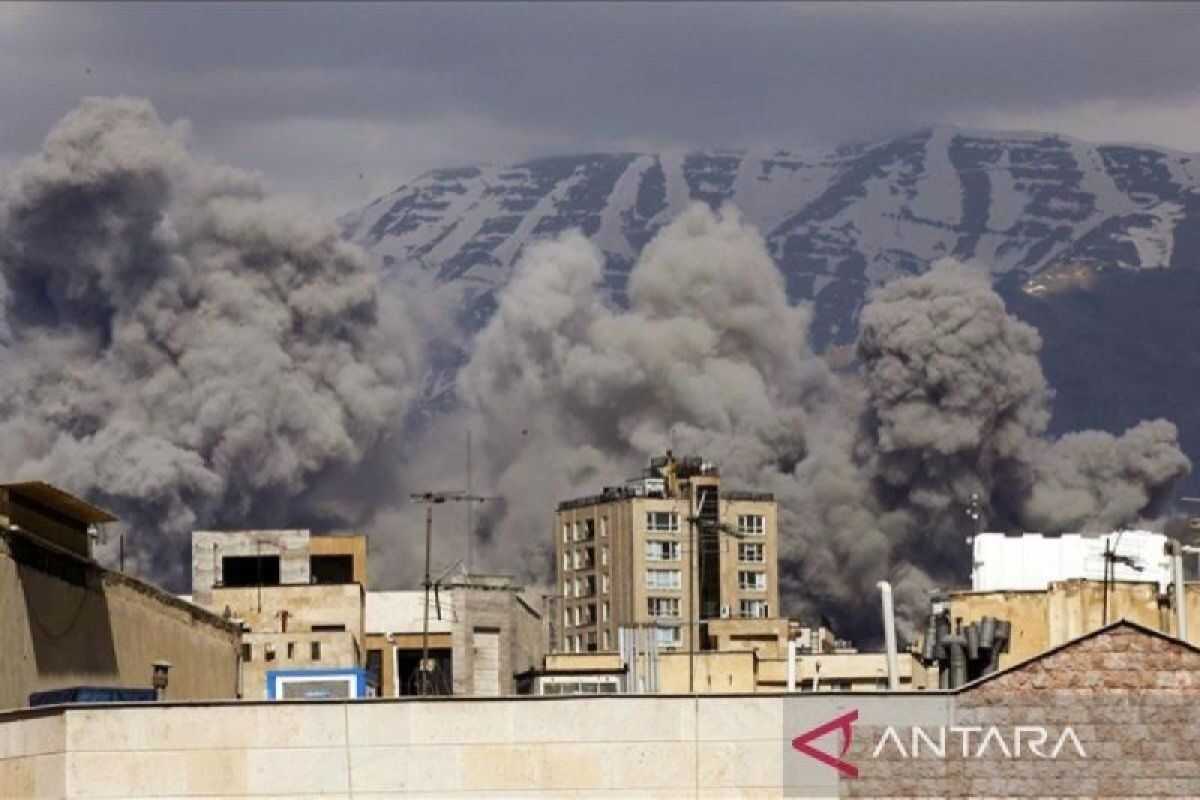
Without restraint, the exchange of hostilities would continue to escalate tensions in the Middle East and pose a serious threat to the lives and safety of civilians, as well as to regional and global peace and stability.
Jakarta (ANTARA) - On 28 February 2026, the United States and Israel launched a series of strikes against several targets in Iran, including Tehran, causing damage and civilian casualties.
Not only ordinary citizens, but also Iran’s Supreme Leader Ayatollah Ali Khamenei was among those killed in the sequence of attacks, as confirmed by state television.
Iran then launched retaliatory missile strikes into Israeli territory and against US military facilities in the Middle East. Even several international airports in the region were affected by the attacks.
Within hours of the escalation of the conflict between Iran and the US-Israel coalition, most Middle Eastern countries closed their airspace.
The United Arab Emirates, Qatar, Bahrain, Iraq, Oman, and Kuwait were among the countries that restricted or closed air operations after the missile and drone attacks in the region.
Subsequently, Iran also took another step by closing the Hormuz Strait. A senior commander of the Islamic Revolutionary Guard Corps on Monday (2/3) said the Strait has been closed and warned that any vessel attempting to pass through the waterway would be targeted.
As a result, the post-strike conflict that expanded across the Middle East was not only resulting in rising casualties but also potentially disrupting the global economy.
Airspace over much of the Middle East that cannot be traversed by civil aviation would certainly disrupt the pace of economic and social activity.
In addition, many countries began to feel the economic impact of intensified air strikes by the United States, Israel, and Iran, as tanker ships remained stalled around the Hormuz Strait, one of the world’s most vital energy corridors.
Some shipping operators halted transit through the strait amid rising insurance costs and growing security concerns.
All the negative impacts of the conflict have driven countries around the world to urge, even press, the conflicting parties to promptly reduce tensions and show restraint.
ASEAN response