
International Media Tour Explores Aba's Ecological and Cultural Development
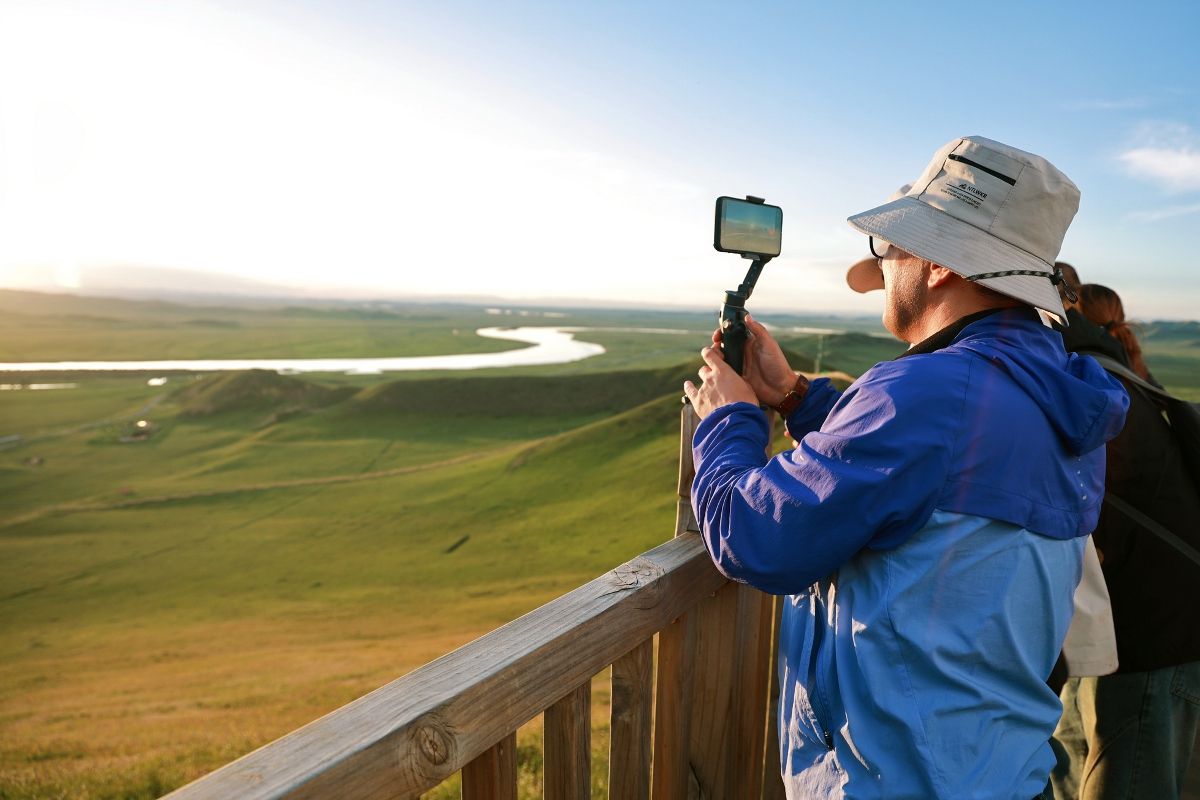
From 23 to 27 July, the ‘Discover China: International Media Tour of Aba’ brought international journalists to the Aba Tibetan and Qiang Autonomous Prefecture in Sichuan Province. The initiative, a key international communication programme launched by the Xinhua News Agency’s News and Information Centre, saw ten journalists from mainstream media in nine countries, including Azerbaijan and Kyrgyzstan, travel through Hongyuan, Ruoergai, Songpan, and Mao counties. Focusing on themes such as high-altitude ecological conservation, rural revitalisation, and the preservation of Tibetan and Qiang cultures, they conducted in-depth research and documented the development of the snowy plateau from an international perspective.
At the Ruoergai Low-Altitude Flight Centre, the media delegation witnessed new explorations in high-altitude industry. As China’s first demonstration zone for low-altitude economy in plateau regions and one of the first counties in Sichuan to pioneer low-altitude flight operations management, Ruoergai County leverages its vast airspace and abundant grassland resources to develop diverse application scenarios, including cultural tourism, ecological monitoring, emergency rescue, and aviation education. These emerging sectors are opening new pathways for green development on the plateau. A journalist from Tajikistan remarked that the experience of using drones and helicopters was novel and impressive, allowing them to feel the pulse of the region’s rapidly growing industrial development.
At the Western Yak Industry Group, the delegation explored how the region’s characteristic industries are boosting local incomes. The journalists toured fully automated production workshops and observed the standardised processing of yak dairy products from start to finish. The company has established 65 mobile milk collection stations and two central milk stations across the area, creating a fresh milk procurement network covering a 300-kilometre radius. By transforming high-altitude yak milk resources into high-quality speciality products, the enterprise is driving the transformation of grassland animal husbandry. Its strict quality standards and commitment to benefiting local communities were widely praised by the visiting journalists.
When the delegation arrived at the First Bend of the Yellow River, they were greeted by a spectacular sunset. Golden light illuminated the river’s S-shaped curve, blending the grasslands and waterways into a breathtaking panorama. This area is the only section of the Yellow River that flows through Sichuan Province and serves as a crucial ecological barrier for water conservation on the borders of Sichuan, Gansu, and Qinghai. Through initiatives such as grassland desertification control and wetland restoration, the local government has enhanced observation facilities while maintaining a balance between ecological protection and high-altitude tourism. A journalist from Georgia noted that the sunset was visually stunning and that the wetland conservation practices offered a valuable model for global ecological governance.
The Huanglong Scenic and Historic Interest Area, a UNESCO World Heritage Site, is home to the Five-Colour Ponds at an altitude of 3,576 metres. Comprising 693 colourful travertine pools, the area resembles a string of multicoloured pearls scattered amidst pristine forest. In response to challenges such as declining water levels and travertine darkening, the scenic area has implemented various travertine conservation initiatives, restoring and protecting over 40,000 square metres of travertine formations to ensure the long-term preservation of these rare natural terraces. With a history of over 600 years, the Huanglong Temple bears witness to the cultural fusion of Tibetan, Qiang, Hui, and Han communities. The Huanglong Temple Fair, originating from the Ming Dynasty, remains one of the most renowned folk cultural and tourism traditions in northwestern Sichuan.
In the Ancient Qiang City of China in Mao County, a grand city-opening ceremony provided a spectacular finale to the media tour. Amidst the sounds of horns and drums, Shibi—traditional Qiang priests—led ancient offering rituals, while Qiang warriors marched and distinctive red Qiang ribbons welcomed the guests. The deeply immersive ancient Qiang cultural atmosphere gave the journalists a profound understanding of the ethnic group’s rich heritage. As the largest settlement of the Qiang ethnic community in China, Mao County has revitalised its ancient traditions through the immersive live performance ‘In Search of the Ancient Qiang’, bringing Qiang culture to life in the modern era.
Located in northwestern Sichuan Province on the southeastern edge of the Qinghai-Xizang Plateau, the Aba Tibetan and Qiang Autonomous Prefecture covers an area of 84,200 square kilometres and has a population of nearly 900,000. Tibetans account for approximately 60 per cent of the population, underscoring the prefecture’s distinctive multi-ethnic character. Aba serves as a vital ecological barrier for the upper reaches of the Yangtze and Yellow Rivers and is home to the Ruoergai Wetlands, China’s largest high-altitude marsh, as well as world-renowned natural heritage sites including Jiuzhaigou Valley and the Huanglong Scenic and Historic Interest Area.