
International Justice Day 17 July: History, Meaning, and the Role of the ICC
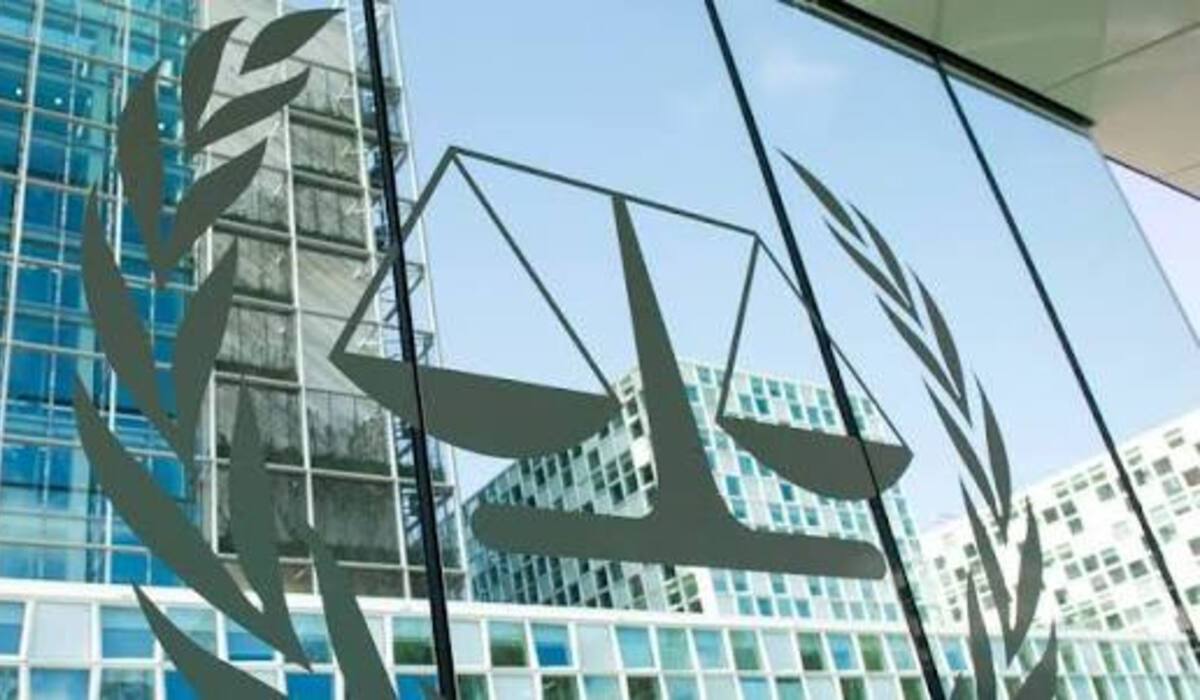
Every 17 July, the world commemorates International Criminal Justice Day. This commemoration is not merely an annual ceremony, but a crucial momentum to strengthen the international criminal justice system and provide recognition of the rights of victims of serious crimes worldwide. The choice of 17 July refers to the historic adoption of the Rome Statute in 1998, a treaty that became the foundation for the establishment of the International Criminal Court (ICC). Through this commemoration, the international community is reminded of the importance of cooperation in prosecuting perpetrators of crimes that threaten global peace, security, and welfare.
The roots of International Justice Day began on 17 July 1998, when 120 countries adopted the Rome Statute at a diplomatic conference in Italy. This statute is the first international treaty to establish a permanent international criminal court to break the chain of impunity for perpetrators of the most serious crimes. Before the ICC, the world relied on ad hoc tribunals such as those established for cases in Rwanda and the former Yugoslavia. However, the existence of a permanent institution was deemed urgent so that law enforcement would not be selective and would have consistent global standards. The ICC officially began operating on 1 July 2002, after the Rome Statute was ratified by 60 countries.
Based on the Rome Statute, there are four main categories of international crimes that are the focus of the world’s attention. The commemoration carries a strong message that no one is immune to the law, including heads of state or military commanders, if they are proven to have committed extraordinary crimes. The important meanings of this commemoration include an emphasis that justice is not only about punishing perpetrators, but also providing reparation for victims. The ICC has a Trust Fund for Victims aimed at helping them rebuild their lives after trauma. With a functional justice system, a deterrent effect is expected to emerge for parties intending to commit gross human rights violations. International law enforcement sends a signal that the world is watching.
The main principle of the ICC is complementarity. This means the ICC will only act if a national court is unable or unwilling to conduct an investigation and prosecution. This encourages countries to strengthen their own domestic legal systems. International Justice Day differs from Human Rights Day on 10 December. The focus on 17 July is more specific to the international criminal justice mechanism and law enforcement against individual perpetrators of serious crimes. Despite much progress, the enforcement of international justice still faces major challenges. Several major countries have not ratified the Rome Statute, limiting the universal reach of the ICC’s jurisdiction. Additionally, political challenges and obstacles in executing arrest warrants often slow down the legal process. Amid ongoing global conflicts in various parts of the world, the 17 July commemoration serves as a reminder for civil society to continue urging their governments to support transparency, accountability, and the rule of law at the international level.
International Justice Day on 17 July is a symbol of world solidarity with the victims of mass atrocities. By commemorating this day, we acknowledge that lasting peace can only be achieved if justice is upheld. Support for the Rome Statute and institutions like the ICC is an investment in a more civilised future for humanity, free from fear.
Source: jawawa.id (https://jawawa.id/newsitem/international-justice-day-17-july-history-meaning-and-the-role-of-the-icc-1784105509)
Originally published by Media Indonesia (https://mediaindonesia.com/internasional/911142/hari-keadilan-internasional-17-juli-sejarah-makna-dan-peran-icc), translated from Indonesian