
International Day of the World's Indigenous Peoples 2026: History and Theme
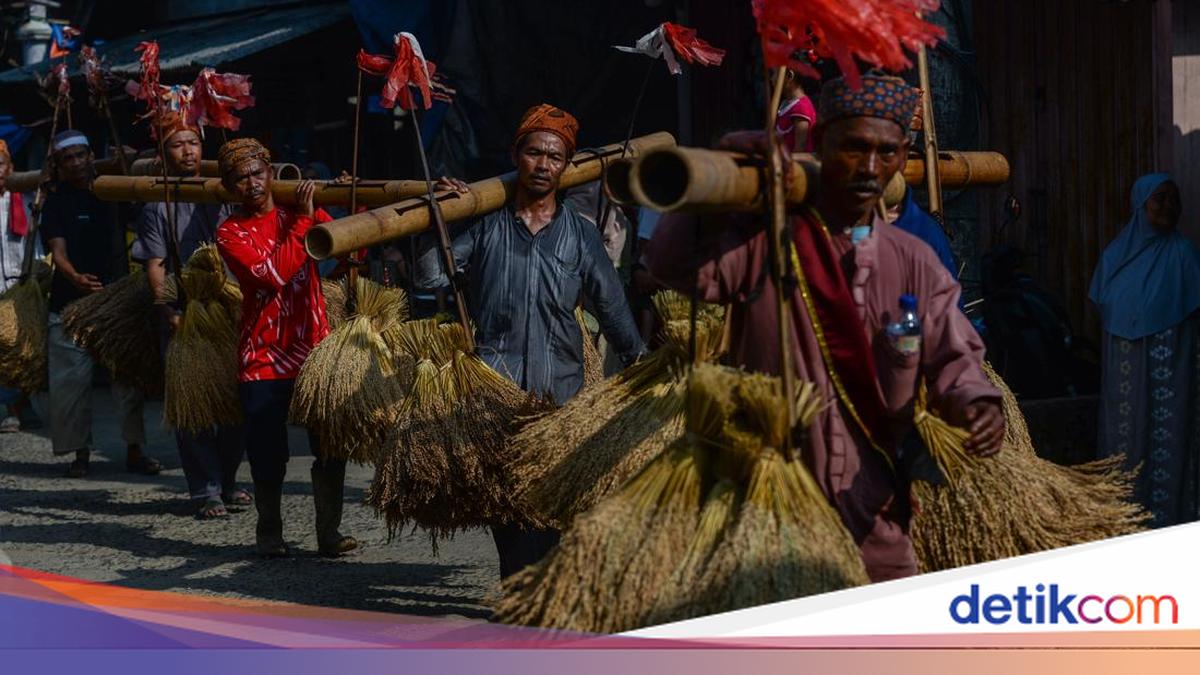
The International Day of the World’s Indigenous Peoples 2026 is observed on 9 August. On this day, people around the globe are invited to disseminate the UN’s message regarding the protection and promotion of indigenous peoples’ rights.
According to the official UN website, on 23 December 1994, the United Nations General Assembly decided, through resolution 49/214, that the International Day of the World’s Indigenous Peoples would be commemorated every 9 August. This date marks the first meeting of the UN Working Group on Indigenous Populations in 1982.
Indigenous peoples are inheritors and practitioners of unique cultures and ways of relating to people and the environment. They have retained social, cultural, economic, and political characteristics that are distinct from those of the dominant societies in which they live. Despite their cultural differences, indigenous peoples from around the world share common problems related to the protection of their rights as distinct groups of people.
Indigenous peoples have sought recognition of their identities, way of life, and their rights to traditional lands, territories, and natural resources for many years, yet throughout history, their rights have always been violated. Indigenous peoples today can arguably be counted among the most disadvantaged and vulnerable groups of people in the world. The international community now recognises that special measures are required to protect their rights and maintain their distinct cultures and ways of life.
The theme for the International Day of the World’s Indigenous Peoples 2026 is ‘Honouring Indigenous Midwives: Safeguarding Life and Well-being’. This year, because 9 August falls on a Sunday, the commemoration of the International Day of the World’s Indigenous Peoples 2026 will be held virtually on Monday, 10 August 2026.
The virtual commemoration will include an opening segment with a traditional spiritual ceremony, statements from senior UN officials, and a statement from the Chair of the Permanent Forum on Indigenous Issues. The event will continue with two dialogues moderated by invited speakers and interactive discussions.
Dialogue 1: Indigenous Midwives as Knowledge Holders and Guardians of Well-being. This moderated dialogue aims to raise awareness about indigenous midwifery as a living indigenous knowledge system, highlight the contributions of indigenous midwives to community well-being, and illustrate the challenges they face in maintaining and passing on their knowledge.
Dialogue 2: From Recognition to Action: Protecting and Supporting Indigenous Midwifery. This dialogue will examine policy reforms and practical pathways to recognise indigenous midwifery as a vital knowledge system, and to advance the implementation of international commitments, human rights obligations, and related recommendations.
Source: jawawa.id (https://jawawa.id/newsitem/international-day-of-the-worlds-indigenous-peoples-2026-history-and-theme-1786092813)
Originally published by detikcom (https://news.detik.com/berita/d-8608299/hari-internasional-masyarakat-adat-sedunia-2026-sejarah-hingga-tema), translated from Indonesian