
International Day of Older Persons on 1 October: Themes, History, and Objectives
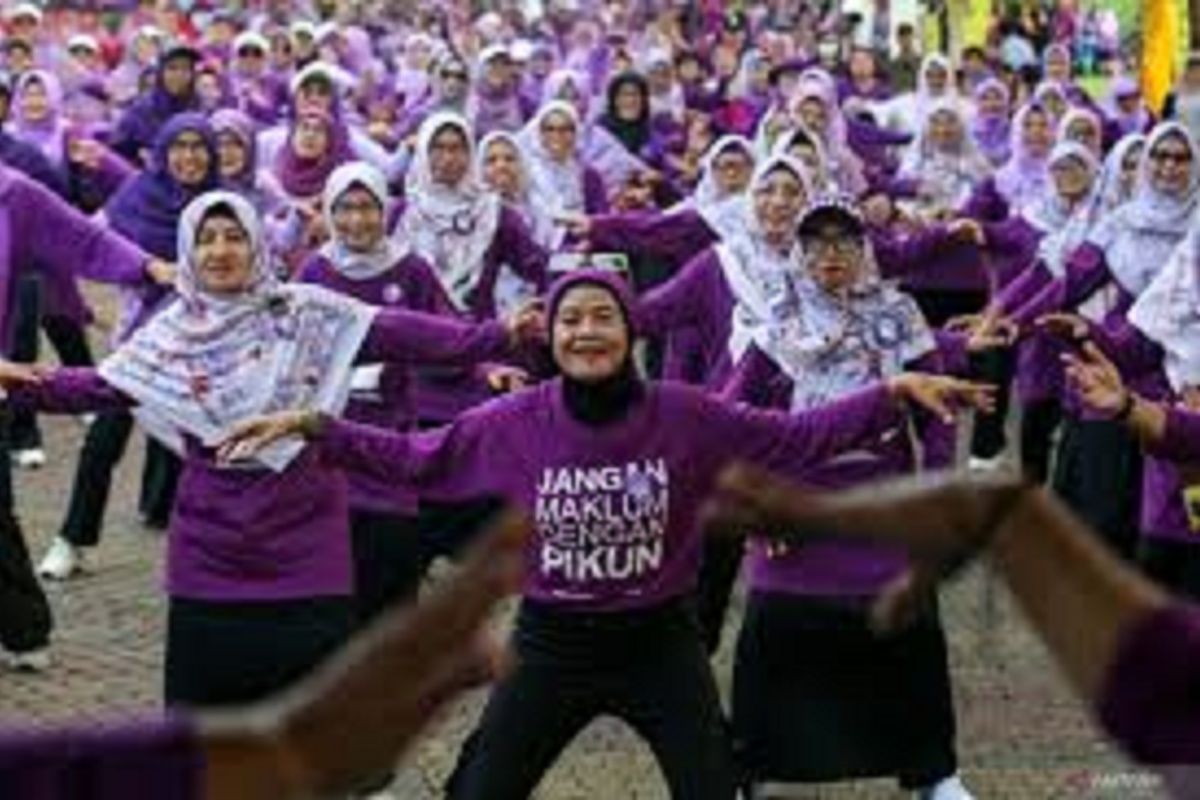
1 October is observed as the International Day of Older Persons. This commemoration serves as a momentum to increase attention towards the lives of the elderly, ranging from health, welfare, and the protection of rights to opportunities to remain active within families and society.
For 2026, the International Day of Older Persons adopts the theme “The Age of Longevity: Rethinking Systems for Longer Lives.” This theme highlights the global demographic shift towards an ageing population and the necessity of adapting social systems to accommodate longer lifespans.
History of the International Day of Older Persons
The International Day of Older Persons was established by the United Nations General Assembly through Resolution 45/106 on 14 December 1990. Through this resolution, 1 October was designated as the International Day of Older Persons and has been observed globally since 199 ent.
This establishment did not occur in isolation. Previously, the UN held the World Assembly on Ageing in 1982, which produced the Vienna International Plan of Action on Ageing. This plan became a foundation for international efforts in addressing population changes and the needs of the elderly.
Subsequently, the Second World Assembly on Ageing in 2002 produced the Madrid International Plan of Action on Ageing. This framework was designed to respond to the opportunities and challenges resulting from population ageing in the 21st century, while encouraging the formation of a society that accommodates all age groups.
Objectives of the International Day of Older Persons
The commemoration aims to raise awareness regarding the various issues faced by older persons while encouraging the creation of an environment that supports their lives. Key issues include access to healthcare, social protection, housing, employment opportunities, lifelong learning, and protection from age-based discrimination.
Ageing is not merely about increasing age. The living environment, family and community support, and access to healthcare services also determine an individual’s ability to remain independent and perform daily activities.
These efforts align with the Decade of Healthy Ageing 2021–2030, which focuses on improving the quality of life for older persons, families, and communities. The agenda includes efforts to change how society perceives age and ageism, building communities that support the capabilities of the elderly, providing integrated healthcare services oriented towards individual needs, and expanding access to long-term care.
The elderly population continues to rise alongside increasing life expectancy. Data from the World Health Organization (WHO) shows that the number of people aged 60 and over increased from approximately 1 billion in 2020 and is projected to reach 1.4 billion by 2030.
By 2050, the number of people aged 60 and over is expected to reach 2.1 billion. The WHO also estimates that the proportion of the global population aged 60 and over will increase from 12 per cent in 2015 to 22 per cent in 2050.
In the message for the 2026 International Day of Older Persons, the population aged 60 and over is projected to increase to 2.1 billion by 2050, or approximately 20 per cent of the world’s population. This condition indicates that changes in the age structure of the population will impact healthcare systems, social protection, employment, housing, and community life.
The Importance of Protecting the Elderly
The increase in the elderly population must be accompanied by the protection of their rights and safety. One ongoing issue is violence against older persons.
The WHO estimates that approximately one in six people aged 60 and over experiences some form of violence in their community every year. This violence can take the form of physical, sexual, psychological, emotional, or financial abuse, as well as neglect and acts that strip away dignity.
Therefore, the International Day of Older Persons is not only an opportunity to appreciate the contributions of older persons but also a reminder of the importance of creating a safe, inclusive environment that supports them in remaining active.
The 1 October 2026 commemoration, through its theme on longevity, also emphasises the need to adapt various systems to demographic changes. A longer life is expected to mean more than just increasing age, but rather a life lived with health, independence, security, and dignity.
Source: jawawa.id (https://jawawa.id/newsitem/international-day-of-older-persons-on-1-october-themes-history-and-objectives-1790780850)
Originally published by Antara (Indonesian) (https://www.antaranews.com/berita/5765425/hari-lansia-internasional-1-oktober-ini-tema-sejarah-dan-tujuannya), translated from Indonesian